
 Jade Mcgee
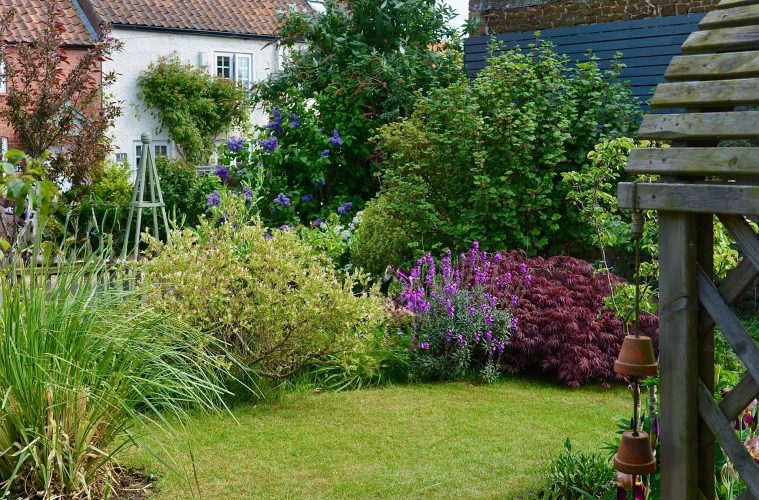
The cottage garden aesthetic is built on a particular kind of abundance: plants growing into and around each other, layers of colour and texture, the general impression of a space that has been tended rather than designed. What often surprises people is how achievable this look is in containers, even on a small balcony or paved courtyard with no in-ground planting available.
The key difference between a container cottage garden and a collection of pots is intentionality: plant selection, combination planting, container variety and consistent care all work together to produce the layered, generous feel the style depends on.
Plant selection: what works and what defines the style
Cottage gardens depend on plants that bloom generously, have a relaxed rather than formal growth habit, and look good growing alongside each other. Lavender is practically synonymous with the style: compact enough for containers, fragrant, long-blooming and reliably hardy. In an SA context, French lavender (Lavandula dentata) tends to perform better than English varieties in warmer, drier conditions, though either works well in the cooler months of spring and autumn.
Sweet alyssum is another essential: it trails over container edges and fills the gaps between taller plants with small, honey-scented flowers, and it self-seeds in mild conditions. Cosmos, snapdragons, geraniums and salvias all suit the style and grow readily in containers. Climbing plants such as sweet peas or nasturtiums trained up a small obelisk or bamboo frame within a larger pot add the vertical interest that cottage gardens depend on.
For the South African gardener, the range extends to include several indigenous options that contribute strongly to the cottage aesthetic: Scabiosa, Osteospermum, Arctotis, plectranthus and various aloe species all have the relaxed, abundant quality the style requires, and they handle the dry heat of SA summers considerably better than many traditional cottage garden plants.
Combination planting: the thriller-filler-spiller method
Rather than planting one species per pot, cottage garden containers work best when they include a mix of plants at different heights and growth habits. The practical approach is the thriller-filler-spiller method: a taller centrepiece plant at the back or centre of the pot, surrounded by mid-height plants that fill the space, and trailing plants at the edges that cascade over the rim.
A salvia or foxglove as the thriller, geraniums and a compact herb as fillers, and sweet alyssum or trailing nasturtiums as spillers creates a full, naturalistic pot that reads as a cottage garden planting rather than a tidy ornamental arrangement. The growth habits of all three layers complement each other: the taller plant draws the eye upward, the fillers create density, and the trailers soften the container’s edge and connect it visually to the surrounding space.
When combining plants in a single container, water and light requirements need to match. Mediterranean herbs like lavender, rosemary and thyme prefer drier, well-draining conditions and full sun, which sits comfortably alongside most flowering annuals but less comfortably with plants that prefer consistent moisture.
Choosing and varying containers
The containers themselves are as important as the plants. Uniform pots in matching sizes arranged in a neat row will look tidy; they will not look like a cottage garden. The aesthetic requires variation: different sizes, different materials, different heights. A group of containers anchored by one or two large pots, surrounded by medium and smaller ones, with heights staggered using plant stands, bricks or upturned pots, creates the layered, collected-over-time quality the style depends on.
Terra cotta ages beautifully in an outdoor setting and suits the cottage garden aesthetic naturally. Glazed ceramics, galvanised metal planters and wooden crates all contribute to the varied, informal character. Terra cotta is porous and dries out faster than glazed or plastic alternatives, which means more frequent watering is required, particularly in SA’s summer heat.
Soil, watering and feeding
Container plants depend entirely on the soil and nutrients you provide. A quality potting mix formulated for containers, improved with perlite or coarse river sand for drainage, is the base for most cottage garden plants. For lavender, herbs and other Mediterranean species, increase the drainage amendment to roughly one part perlite or grit to two parts potting mix. For moisture-hungry plants like foxgloves and sweet peas, a small addition of well-composted compost to the standard mix provides additional nutrient holding.
Containers dry out considerably faster than garden beds, particularly in summer and when using terra cotta. Check soil moisture daily in warm weather by pushing a finger into the top two centimetres. Thorough watering, until water runs through the drainage holes, followed by a drying-out period, suits most cottage garden plants better than frequent light watering, which encourages shallow root development.
Feed container plantings with a balanced liquid fertiliser every two to three weeks through the growing season from August onwards. Flowering plants in containers draw down nutrients quickly from a limited volume of soil, and consistent feeding makes a measurable difference to bloom duration and vigour.
Deadheading and seasonal maintenance
The single habit that maintains a container cottage garden through the season is consistent deadheading: removing spent flowers before they can set seed redirects the plant’s energy toward new bud formation. Most cottage garden plants, including geraniums, cosmos, Osteospermum and sweet alyssum, produce significantly more flowers and for a longer period when deadheaded regularly. A daily pass of five minutes through the container arrangement makes more difference to its appearance and output than any amount of less consistent attention.
ALSO SEE:
Featured Image: Pexels
