
 Bianca Muller
One of the most common indoor plant problems during the colder months is mealybugs. These tiny sap-sucking insects can quickly turn a healthy collection of houseplants into a frustrating battle zone if left unchecked. The earlier you spot them, the easier they are to control.
What are mealybugs?
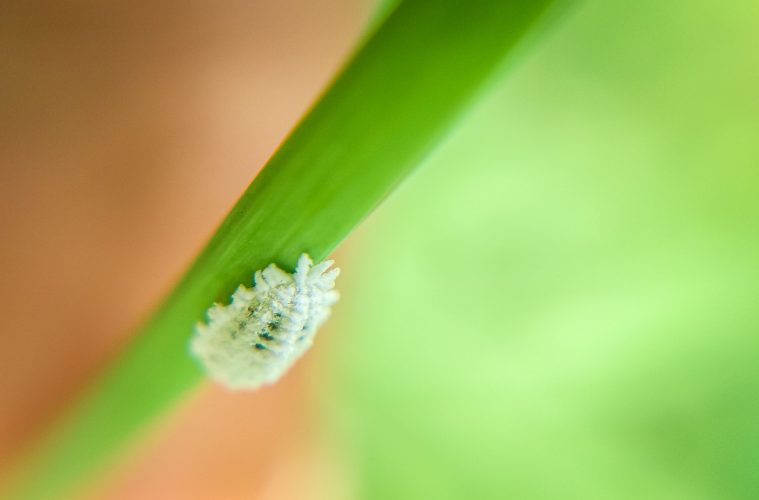
Mealybugs are small, soft-bodied insects belonging to the scale insect family. They are usually covered in a white, waxy coating that gives them a cotton wool or fluffy appearance. Adult mealybugs are typically between 1 and 5 mm long and tend to cluster together in sheltered parts of plants. Because of their white coating, they are often mistaken for mould, fungus or bits of fluff stuck to leaves. These pests feed by piercing plant tissues and sucking out sap, weakening the plant over time.
Why are mealybugs more noticeable indoors during winter?
Although mealybugs can occur throughout the year, winter creates ideal conditions for indoor infestations.
Houseplants are often brought closer together near windows to maximise sunlight, making it easier for pests to spread from one plant to another. Meanwhile, central heating, heaters and reduced airflow create warm, sheltered environments where mealybugs can thrive.
Signs your houseplant has mealybugs
The insects themselves are not always the first clue. Keep an eye out for these warning signs:
Sticky leaves
As mealybugs feed, they excrete a sugary substance known as honeydew. This leaves plants feeling sticky to the touch.
Yellowing foliage
Affected plants may develop yellow leaves as nutrients and moisture are drawn away by the insects.
Stunted growth
New growth may appear distorted, weak or unusually small.
Leaf drop
Severe infestations can cause leaves to wilt and fall prematurely.
Black sooty mould
Honeydew can encourage the growth of sooty mould, a black fungus-like coating that develops on leaves and stems.
White cottony patches
Perhaps the most obvious sign is the presence of fluffy white clusters where leaves meet stems or along the plant’s growing points.
Why are mealybugs bad for plants?
A small infestation may seem harmless at first, but mealybugs reproduce surprisingly quickly.
As populations increase, they:
- Drain nutrients from the plant
- Weaken stems and leaves
- Slow growth
- Cause yellowing and leaf loss
- Encourage fungal growth through honeydew production
- Spread to neighbouring plants
In severe cases, prolonged infestations can eventually kill smaller or already stressed plants.
How to prevent mealybugs indoors
Inspect new plants
Always check plants carefully before bringing them home. Pay close attention to leaf joints, stem crevices and undersides of leaves.
Avoid overcrowding
Good airflow helps reduce pest problems. Resist the temptation to cluster plants too closely together during winter.
Keep plants healthy
Plants that receive the correct amount of light, water and nutrition are generally more resilient to pest attacks.
Clean leaves regularly
Wiping leaves with a damp cloth not only removes dust but also allows you to spot potential pest issues early.
Check plants frequently
A quick weekly inspection can prevent a minor problem from becoming a major infestation.
How to get rid of mealybugs
Isolate the affected plant
Move infested plants away from healthy ones to prevent the insects from spreading.
Remove visible pests
Use a cotton bud dipped in rubbing alcohol (isopropyl alcohol) to dab individual mealybugs. The alcohol dissolves their protective wax coating and kills them on contact.
Wash the plant
For light infestations, a gentle rinse with lukewarm water can help remove many of the insects.
Use insecticidal soap
Insecticidal soaps can be effective against mealybugs, particularly when applied thoroughly to all plant surfaces.
Prune heavily infested areas
If only a few stems or leaves are affected, pruning them may help reduce the pest population quickly.
Repeat treatments
Mealybug eggs are often hidden in crevices, so follow-up treatments every seven to 10 days are essential until no signs remain.
Don’t ignore a single mealybug
Many gardeners make the mistake of removing one visible mealybug and assuming the problem is solved. Unfortunately, where there is one mealybug, there are often many more hiding out of sight.
Regular inspections throughout winter can help catch infestations before they gain momentum. A few minutes spent checking leaf joints and stems could save you months of frustration later.
ALSO SEE: Insect spotlight: Lacewings are every South African gardener’s secret weapon
Insect spotlight: Lacewings are every South African gardener’s secret weapon
Feature image: Pexels
