
 Chumasande Matiwane
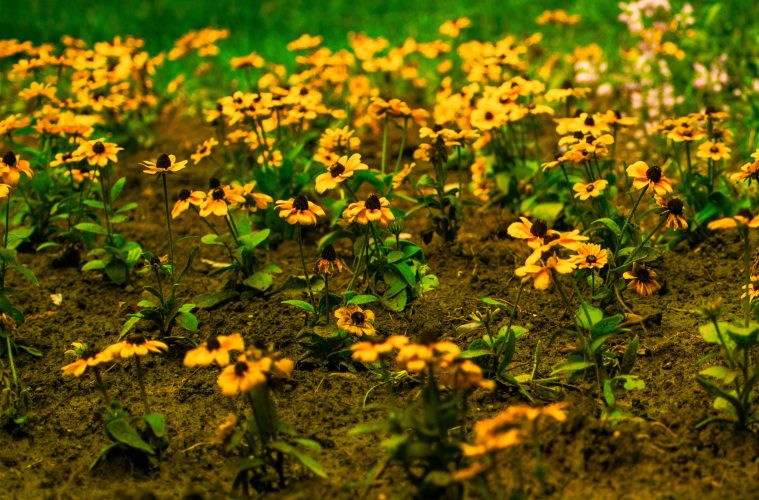
Black-eyed Susans are cheerful, daisy-like flowers that add vibrant colour to any garden. With their bright yellow petals and distinctive dark centres, these hardy plants are a favourite among gardeners who seek flowers that are easy to grow and attract pollinators.
Whether planted in flower beds, borders, or containers, Black-eyed Susans can provide a long-lasting display when provided with the right growing conditions.
Choose the right position
Black-eyed Susans generally perform best in a position that receives full sun. Aim for around six or more hours of direct sunlight a day.
A sunny location encourages strong stems and abundant flowering. Although the plants can tolerate some light shade, too little sunlight may result in fewer flowers and weaker growth.
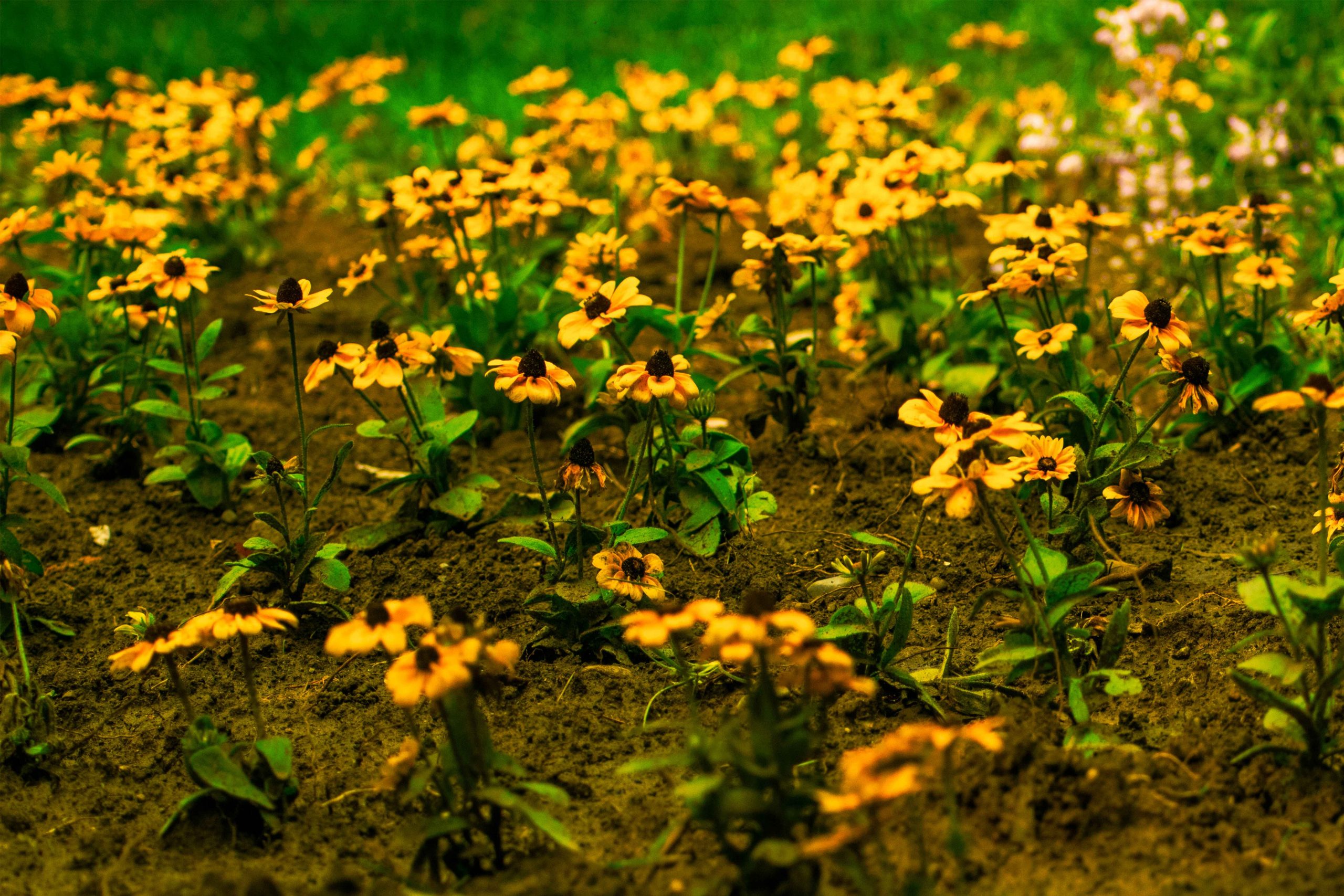
Image Credit: Pexels
Prepare well-drained soil
These flowers aren’t particularly demanding about soil, but they do best in well-drained soil.
Before planting, loosen compacted soil and incorporate some compost or other well-rotted organic matter. This can improve soil structure and provide nutrients while allowing excess water to drain away.
Avoid areas where water regularly collects, as consistently soggy conditions can damage the roots.
Water regularly while plants establish
Newly planted Black-eyed Susans need consistent moisture while they establish their roots. You need to water deeply when the soil begins to dry rather than giving the plants frequent, shallow watering.
Once established, wide varieties are reasonably drought-tolerant. However, plants may still need additional water during particularly hot or dry periods.
Water at soil level where possible and avoid continually wetting the foliage, as this can encourage fungal problems.
Give plants enough space
Good air circulation is important for healthy plants. When planting multiple Black-eyed Susans, leave enough room between them for air to move around the foliage.
The exact spacing depends on the variety, so check the plant label or seed packet before planting.
Feed sparingly
Black-eyed Susans generally don’t require heavy feeding. In fact, excessive fertiliser can encourage lots of leafy growth at the expense of flowers.
Adding compost or another suitable organic material to the soil can provide a gentle source of nutrients. If your soil is particularly poor, use a balanced fertiliser according to the manufacturer’s instructions.

Image Credit: Pexels
With plenty of sunshine, well-drained soil, appropriate watering and occasional maintenance, Black-eyed Susans can be a rewarding addition to a garden.
Their warm yellow flowers can brighten borders and beds, while their blooms can also contribute to a garden designed to support pollinators. For the best results, select a variety suited to your local conditions and follow its specific planting and care requirements.
ALSO SEE:
Feature Image: Pexels
