
 Jade Mcgee
Framing changes how artwork sits in a room. A simple print can feel substantial once it has the right border, proportion and finish, while an expensive piece can look oddly lost in a frame that fights with it. The difficulty is that bespoke framing can quickly outpace the decorating budget.
Fortunately, the polished look does not depend on custom work every time. A more collected home often comes from combining second-hand finds, simple mounts and restrained new frames, then repeating a few materials so the wall feels deliberate rather than perfectly matched.
1. Hunt for second-hand frames with good proportions
Measure the artwork first and keep those dimensions on your phone before visiting charity shops, flea markets or second-hand stores. The right proportions matter more than finding an exact colour match. A frame that is slightly larger than the artwork can often be made to work, while one that is too small usually means cropping the image.
Look past dated artwork inside a frame and inspect the frame itself. Solid corners, usable glazing and a shape that suits the piece can make an inexpensive find worthwhile. Wood can often be cleaned or refinished, while simple metal frames tend to mix easily with other finishes.
Think about where the piece will hang before deciding that a frame is a bargain. A narrow passage may suit a slimmer profile, while a large wall can carry a heavier border. The frame should give the artwork enough presence for the room without making the image feel crowded.
2. Use a mount to make extra space look intentional
A mount is one of the easiest ways to make a larger frame look purposeful. It creates breathing room around the artwork and can turn an imperfect second-hand size into something that reads as considered rather than improvised.
White and warm off-white are the easiest choices for a mixed collection, but muted colour or black can work when the artwork needs stronger contrast. Keep the border balanced and neat. For valuable or sentimental work, choose proper conservation-grade materials rather than ordinary paper that may discolour over time.
3. Buy already-framed pieces when the whole combination works
Markets and resale platforms can be useful because the frame is sometimes worth as much to the room as the artwork. If you genuinely like both, buying the piece already framed saves the extra cost and the uncertainty of finding a suitable size later.
Do not buy something you dislike simply because the frame seems useful. A good budget decision still needs to earn its place in the house. Check the condition, the hanging hardware and whether the scale makes sense for the wall you have in mind.
4. Keep inexpensive new frames simple
When a second-hand search comes up empty, restrained new frames usually look more convincing than ornate budget versions. Slim black, natural timber, dark wood and brushed-metal finishes are easy to repeat and allow the artwork to remain the focus.
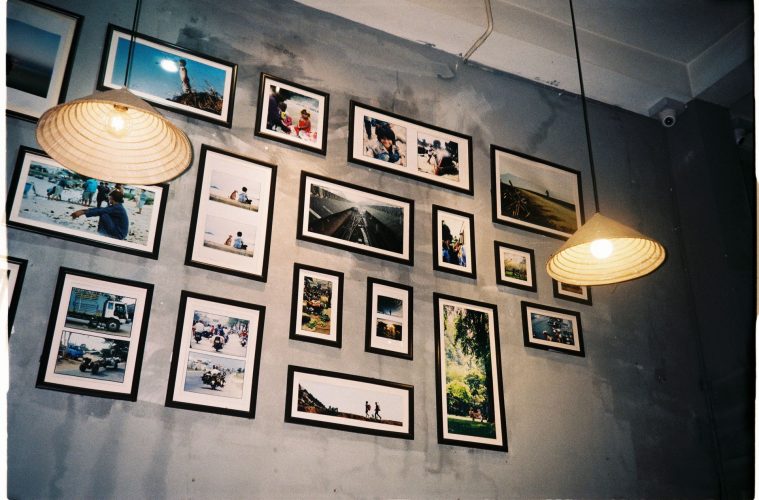
This is especially useful for a gallery wall. Frames do not need to be identical, but repeating two or three finishes creates rhythm across a mixed collection. Varying the sizes while keeping the materials controlled gives the wall a layered, lived-in look.
The most expensive-looking framing is often the result of patience, not price. Measure carefully, choose frames with the right proportions and let simple materials make the artwork feel finished.
ALSO SEE:
Featured Image: Pexels
