
 Bianca Muller
There was a time when matching every wooden surface in your home was considered the golden rule. Oak dining table? Better make sure the floors, coffee table and shelving all looked exactly the same. Thankfully, those days are behind us.
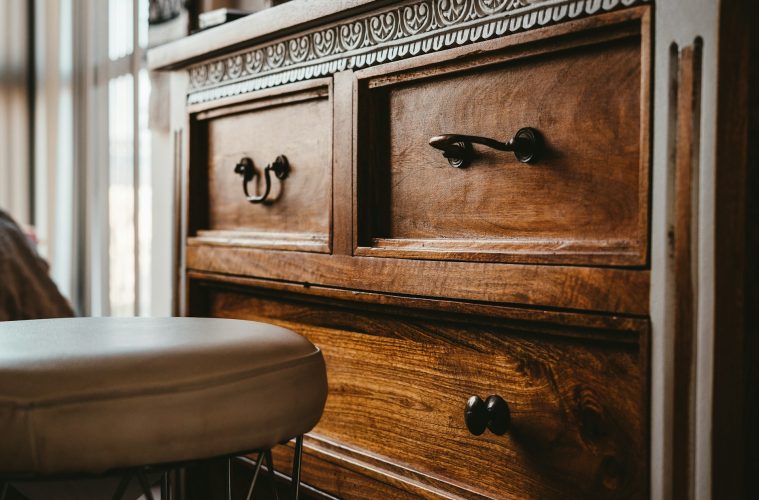
Mixing wood tones is one of the easiest ways to make a space feel layered, lived in and full of personality. The trick isn’t finding woods that match perfectly – it’s knowing how to make different tones work together.
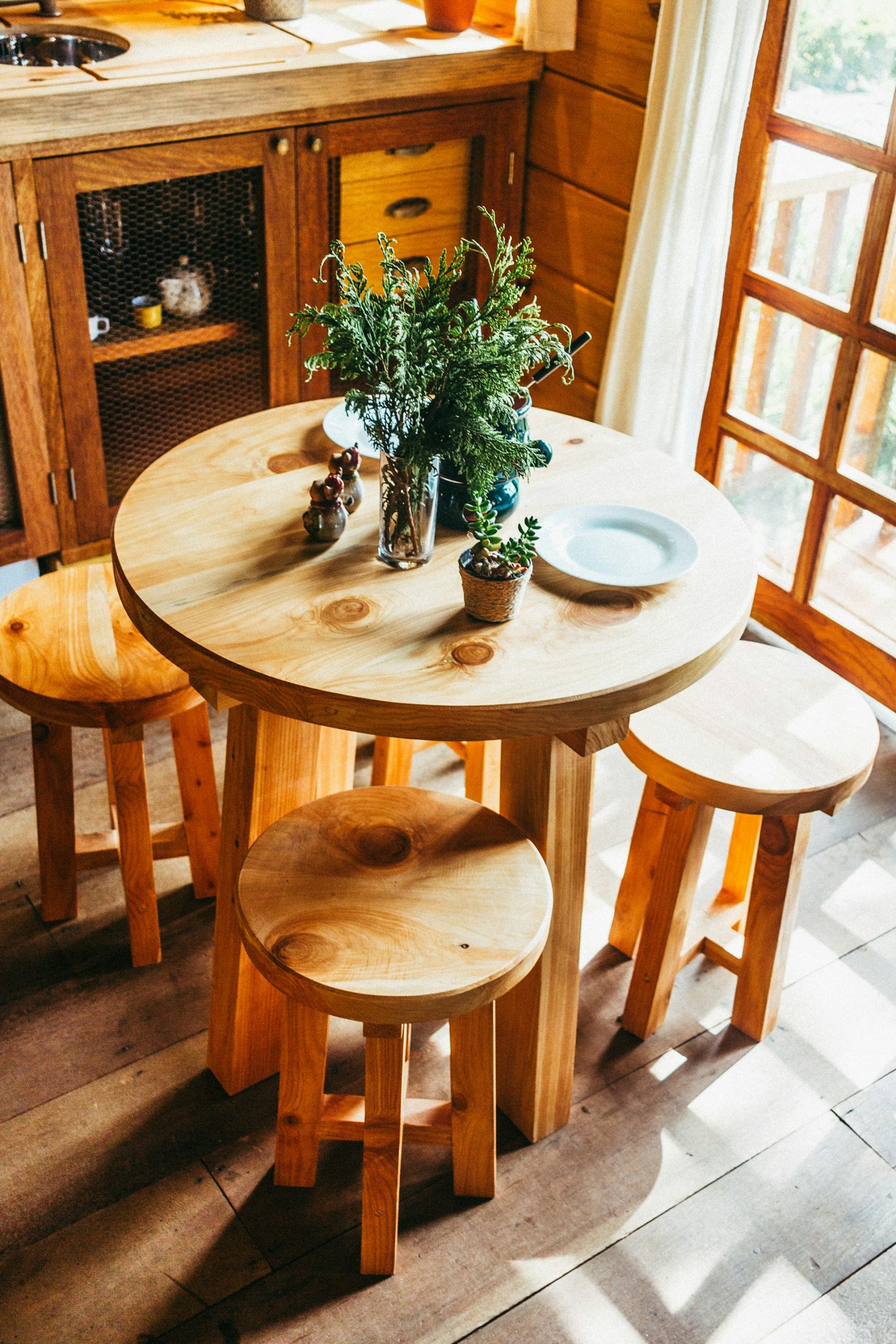
Photo: Unsplash
Start with one dominant wood tone
Think of your main wood tone as the foundation of the room. This is usually the largest wooden feature, whether it’s your flooring, dining table, built-in cupboards or a large piece of furniture. Once you’ve identified your dominant wood, use it as your guide rather than trying to compete with it. The remaining wood finishes should support it instead of overpowering it.
Pay attention to undertones
This is where many people go wrong. Wood isn’t simply light or dark – it also has undertones. Some woods lean warm, with hints of yellow, orange or red, while others have cooler grey or taupe undertones.
You don’t have to stick to one colour, but keeping the undertones relatively consistent creates a more cohesive look. For example, warm walnut pairs beautifully with honey oak, while ash and weathered oak tend to complement each other because of their cooler appearance.
View this post on Instagram
Don’t be afraid to mix light and dark
Contrast adds interest. A light oak dining table paired with dark walnut chairs can create a sophisticated look, while pale timber shelving against darker wooden flooring adds depth without feeling heavy.
The key is balance. If everything sits within the same mid-tone range, the room can end up looking a little flat.
Repeat each wood tone
One walnut coffee table floating in a room filled with oak can feel accidental. Instead, repeat each wood finish at least twice. Perhaps the walnut appears in a side table, picture frames or a lamp base, while the oak is echoed in shelving and dining furniture.
Use texture to tie everything together
Different wood grains can be just as important as colour.
A smooth walnut table can happily sit alongside rustic oak if other textures connect the space. Woven baskets, linen upholstery, ceramics and natural fibres help soften the contrast and make the room feel intentional rather than mismatched.
View this post on Instagram
Let rugs do some of the work
If you’re nervous about combining different wood finishes, a rug can help bridge the gap. Placing a rug between wooden flooring and furniture creates a visual break, allowing each element to shine without competing. It’s a simple trick designers use to make mixed materials feel more cohesive.
Keep the colour palette simple
When you’re already mixing wood finishes, there’s no need to introduce every colour under the sun. Neutral walls, natural fabrics and a restrained palette allow the different wood tones to become the stars of the show. You can then bring personality in through artwork, greenery and smaller decorative pieces.
Think in threes
A handy designer trick is to limit yourself to around three wood tones in one room.
For example:
- Light oak flooring
- Medium oak dining table
- Dark walnut coffee table and accessories
This creates variety without overwhelming the space. Once you go beyond three or four dominant wood finishes, a room can start to feel visually busy unless the palette is carefully balanced.
ALSO SEE: Bathroom décor mistakes that secretly shrink your space
Feature image: Unsplash
