
 Bianca Muller
Winter gardens often get a bad reputation for looking bare and lifeless, but the right plants prove otherwise. While many flowers take a seasonal break, shrubs and trees adorned with brilliant berries step into the spotlight, adding pops of red, orange, purple, blue and white when your garden needs them most.
Better still, these berry-bearing plants attract birds and other wildlife, bringing movement and life to your outdoor space throughout the colder months. However, not all berries are as friendly as they look. Some are perfectly edible, while others can be toxic to children and pets if ingested.
Here’s a guide to some of the most beautiful winter berry plants you can grow in South Africa, and whether they’re safe around your family.
Firethorn (Pyracantha)
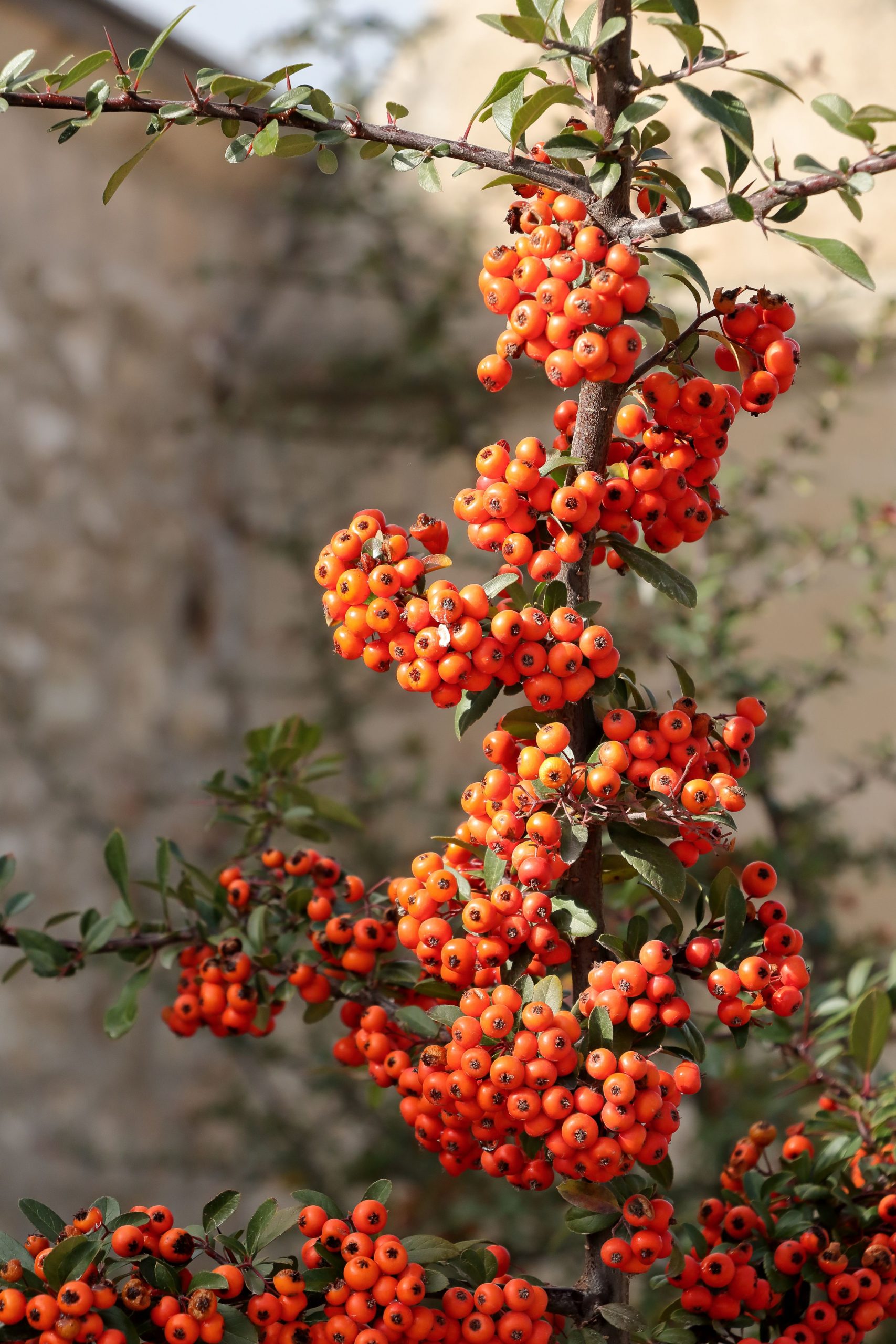
Photo: Pexels
Nothing says winter quite like a Pyracantha dripping in clusters of fiery berries. Available in shades of scarlet, orange and yellow, this evergreen shrub provides colour from late autumn well into winter.
It also doubles as an excellent security hedge thanks to its thorny branches, while birds flock to the berries once food becomes scarce.
Best for: Hedges, wildlife gardens and boundary planting.
Are the berries poisonous?
- Children: The berries aren’t considered highly poisonous, but eating large quantities may cause stomach upset. The seeds contain small amounts of cyanogenic compounds, so they’re best left untouched.
- Dogs and cats: Generally considered mildly toxic if eaten in quantity and may cause vomiting or diarrhoea.
- Safe to eat? Not recommended. Although birds happily feast on them, the berries are bitter and not considered suitable for people.
Cotoneaster
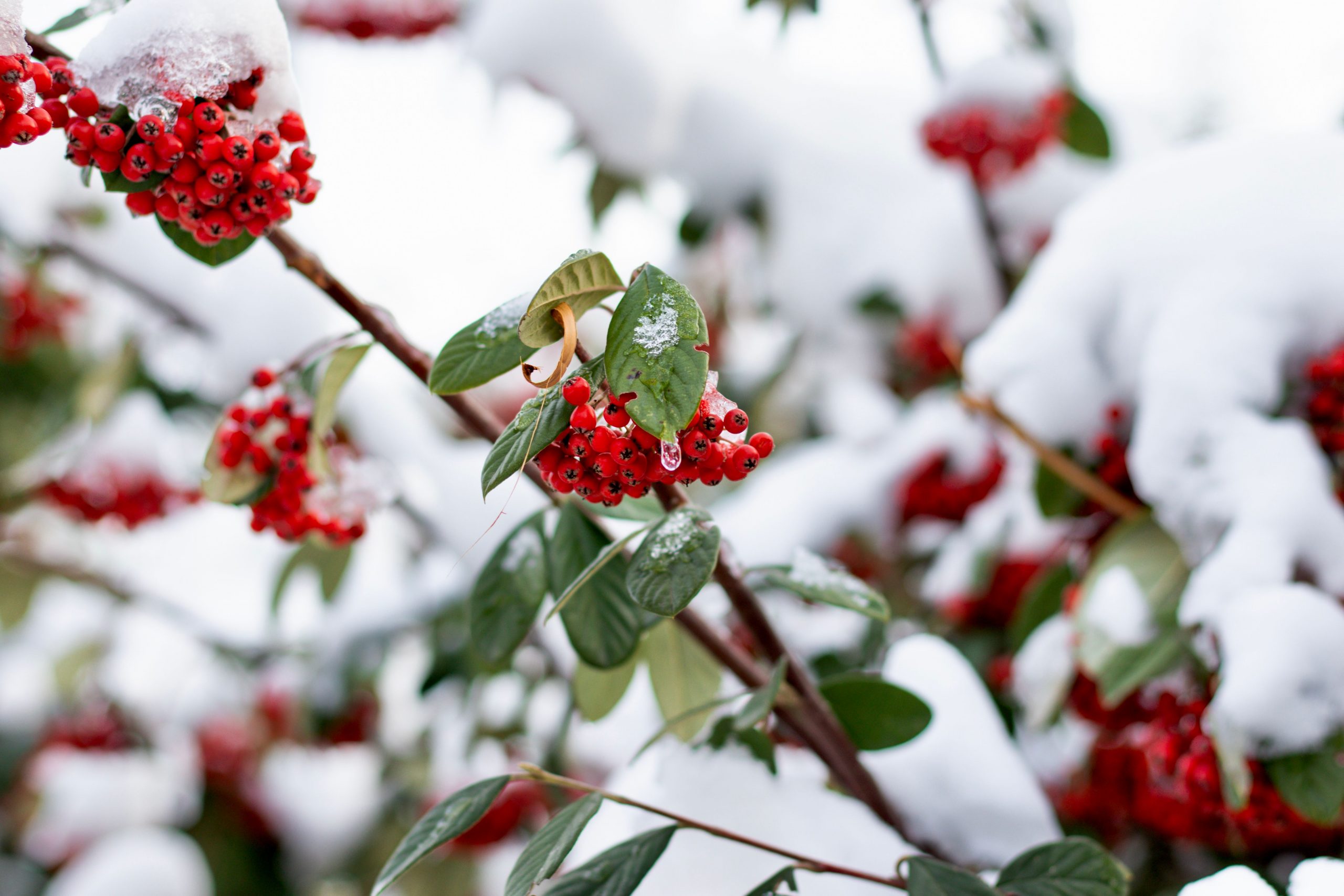
Photo: Pexels
Cotoneaster is a favourite among landscapers for good reason. Its graceful arching branches become covered in bright red berries throughout winter, creating an eye-catching display against glossy green foliage.
It’s particularly popular for attracting birds such as bulbuls, robins and thrushes.
Best for: Banks, slopes, mixed borders and wildlife gardens.
Are the berries poisonous?
- Children: Mildly poisonous and may cause nausea or stomach discomfort if eaten.
- Dogs and cats: Can cause gastrointestinal upset.
- Safe to eat? No.
Holly (Ilex species)
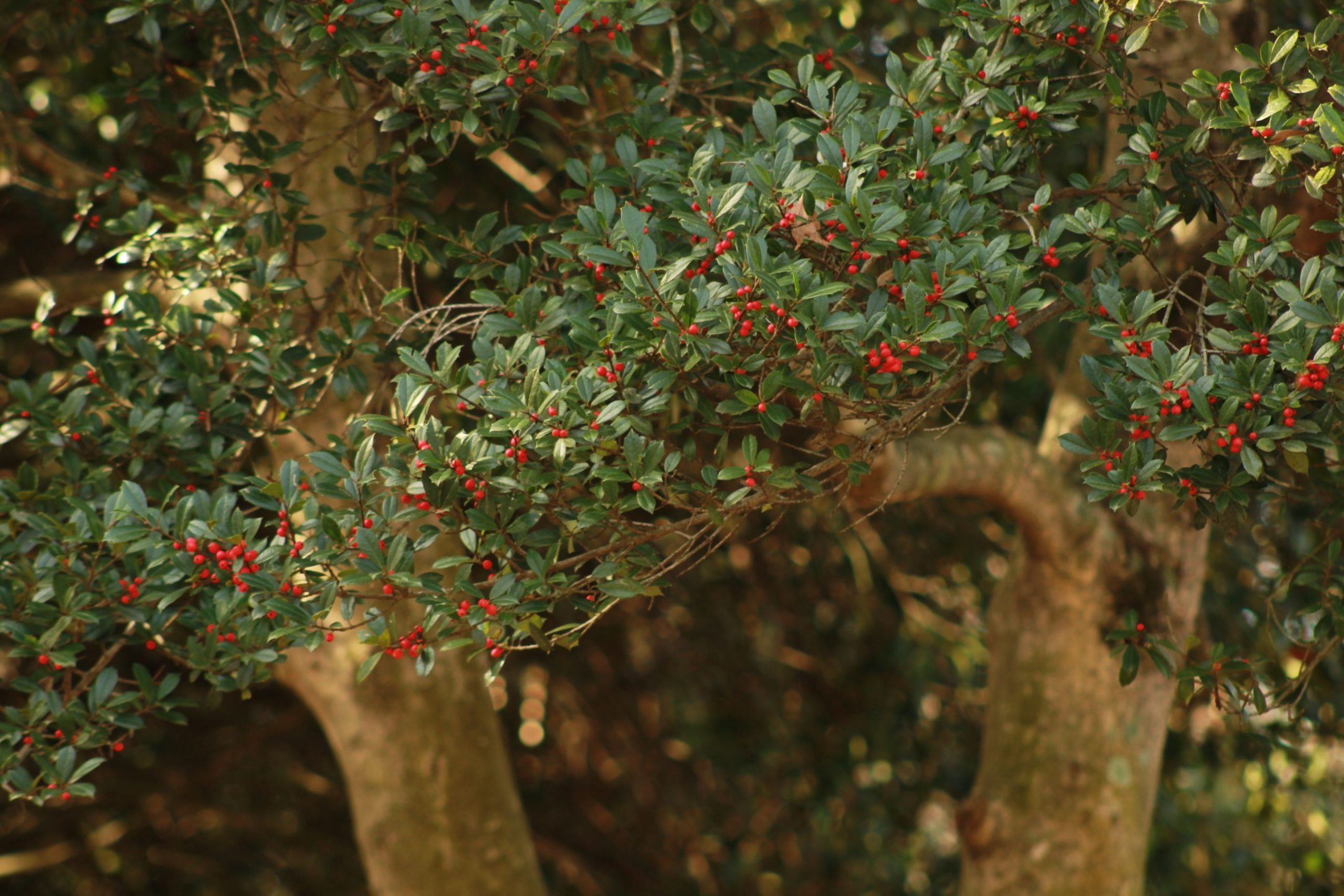
Photo: Pexels
Few plants are more closely associated with winter than holly. Its glossy evergreen leaves and bright red berries make it an elegant ornamental shrub, especially in cooler parts of South Africa.
Although it grows best in frost-prone regions, many varieties adapt well to local gardens.
Best for: Formal gardens, festive displays and shaded areas.
Are the berries poisonous?
- Children: Yes. Holly berries can cause vomiting, diarrhoea and stomach pain.
- Dogs and cats: Toxic if consumed.
- Safe to eat? No.
Nandina (Heavenly Bamboo)
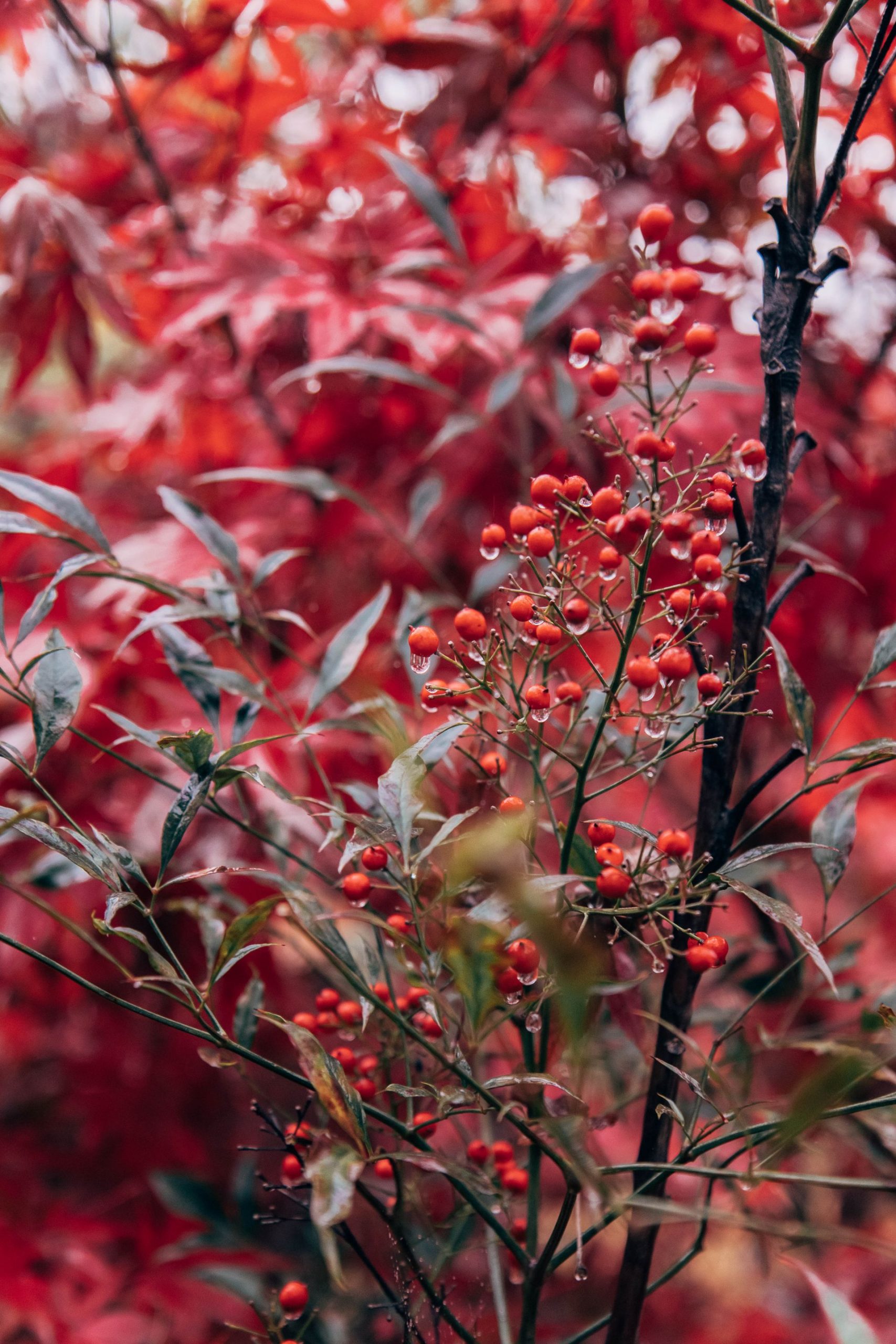
Photo: Pexels
Despite its common name, heavenly bamboo isn’t actually bamboo at all. During winter, its foliage transforms into brilliant shades of red and bronze while clusters of glossy red berries remain on the plant for months.
It’s one of the easiest shrubs to grow and requires very little maintenance.
Best for: Contemporary gardens, pots and borders.
Are the berries poisonous?
- Children: Toxic if eaten.
- Dogs and cats: Toxic, especially if consumed in larger quantities.
- Safe to eat? No.
Wild Olive (Olea europaea subsp. africana)
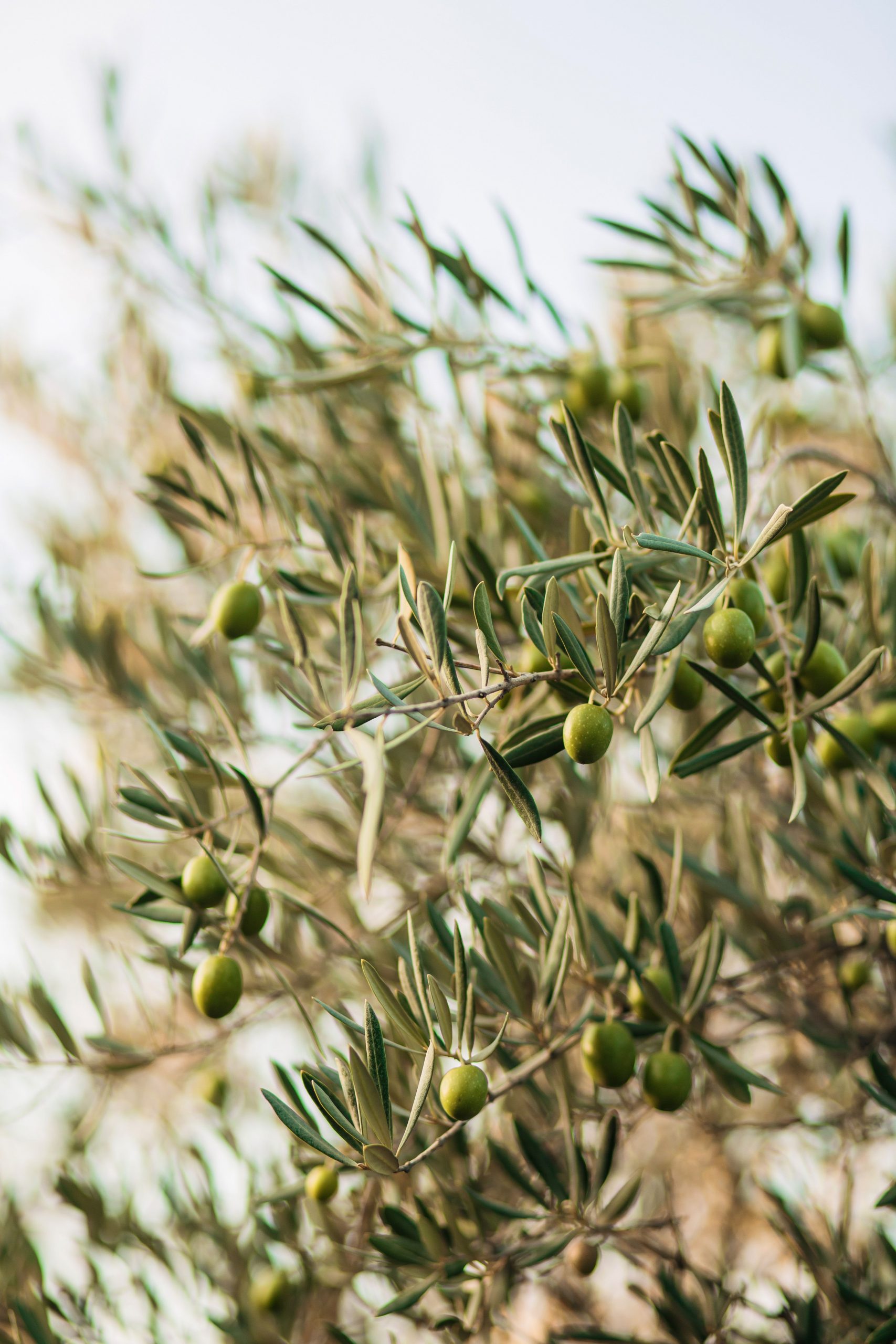
Photo: Pexels
One of South Africa’s most rewarding indigenous trees, the wild olive produces small purple-black fruits during autumn and winter. While not as fleshy as cultivated olives, they’re loved by birds including louries, bulbuls and starlings.
Best for: Indigenous gardens, screening and bird-friendly landscapes.
Are the berries poisonous?
- Children: No.
- Dogs and cats: Non-toxic.
- Safe to eat? Yes, although the fruits are very bitter. Like commercial olives, they require curing before they’re pleasant to eat.
Num-num (Carissa macrocarpa)
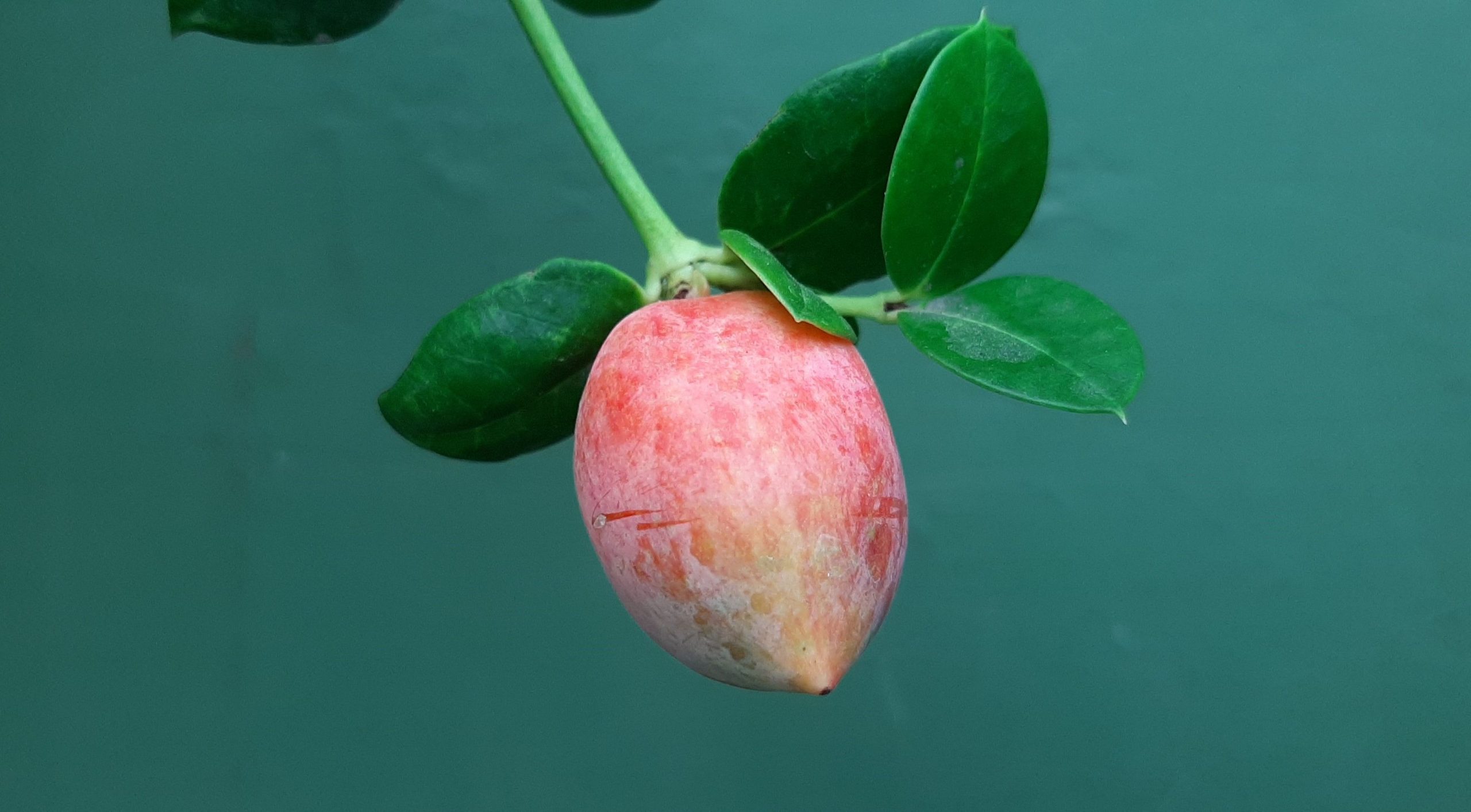
Photo: Pexels
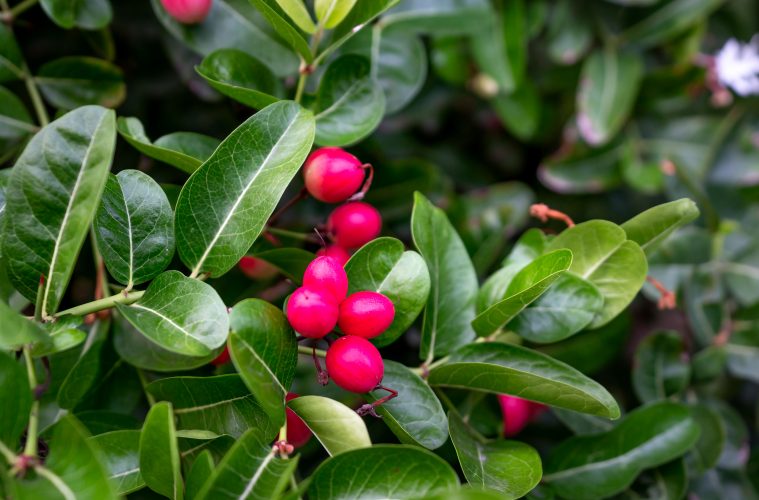
One of South Africa’s most versatile indigenous shrubs, the num-num offers glossy evergreen leaves, fragrant white flowers and striking crimson fruits through autumn and winter.
It’s drought tolerant, coastal hardy and perfect for creating dense hedges.
Best for: Coastal gardens, indigenous landscapes and security hedges.
Are the berries poisonous?
- Children: Only the ripe fruit is safe. Unripe fruit, leaves and the milky sap should not be eaten.
- Dogs and cats: The sap and unripe fruit may cause digestive upset.
- Safe to eat? Yes, but only when fully ripe. The fruit can be eaten fresh or turned into delicious jams, preserves and desserts.
Kei Apple (Dovyalis caffra)
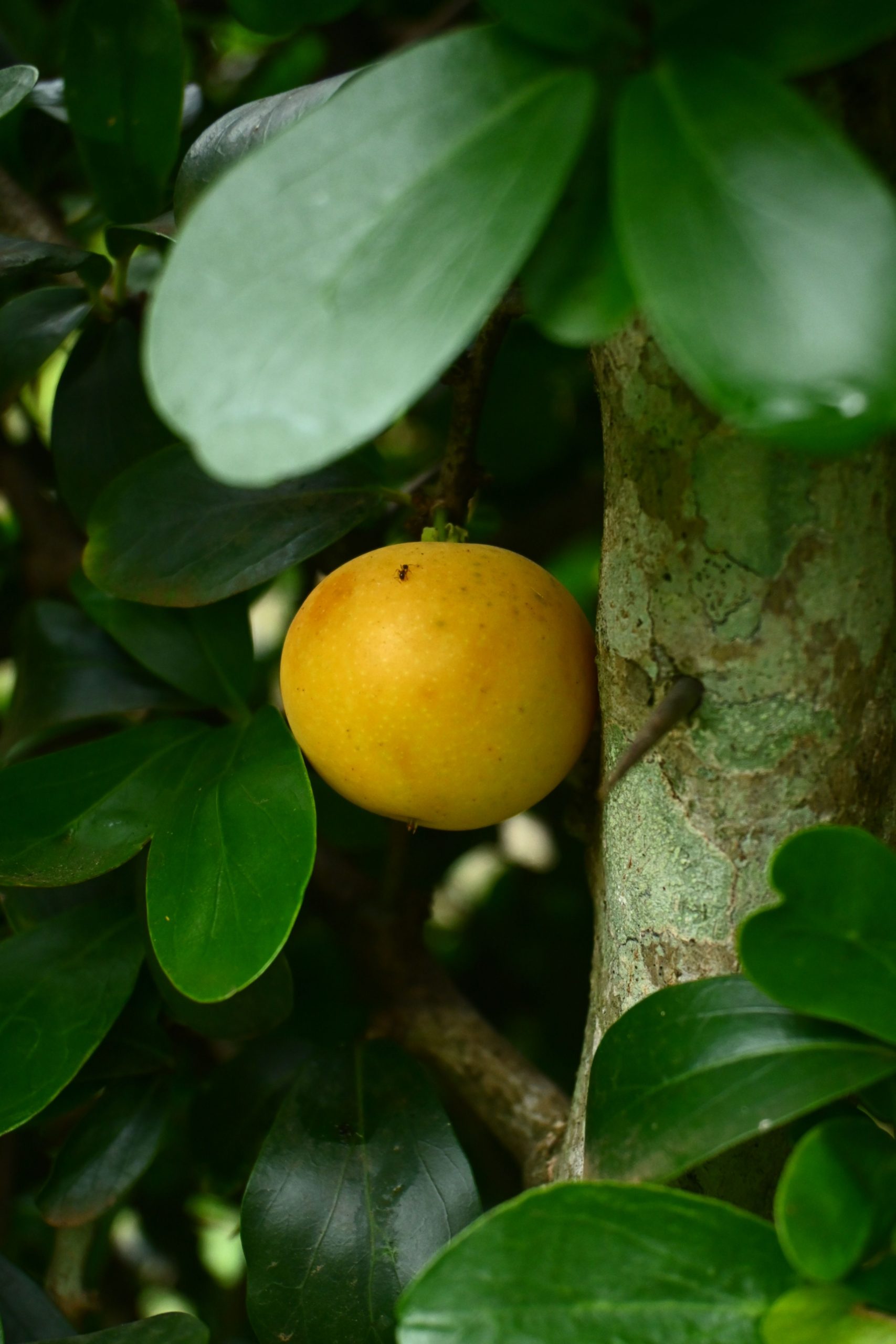
Photo: Pexels
Another proudly South African favourite, the Kei apple produces cheerful yellow fruits during winter and early spring. Although technically not a berry, its colourful fruit creates the same decorative effect.
Its thorny branches also make it an outstanding hedge.
Best for: Security hedges, indigenous gardens and edible landscapes.
Are the fruits poisonous?
- Children: No.
- Dogs and cats: Non-toxic.
- Safe to eat? Yes. The tart fruit is excellent for jams, chutneys, syrups and desserts.
ALSO SEE: The winter watering errors destroying your plants
Feature image: Pexels
