
 Chumasande Matiwane
In many parts of the country, winter brings cooler temperatures, shorter days, and slower plant growth. One of the most common gardening mistakes during this season is continuing to water plants as if it were summer.
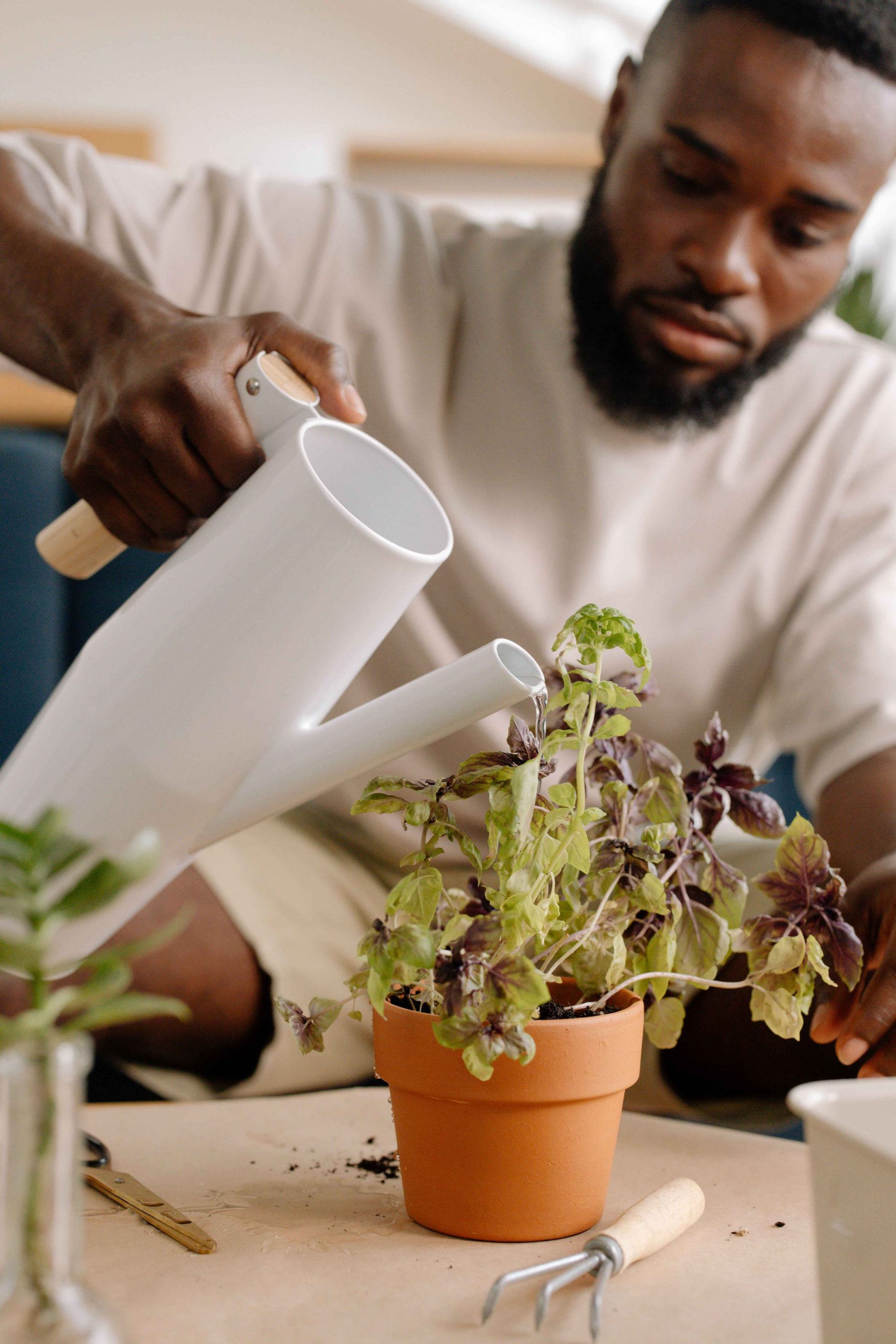
Image Credit: Pexels
Winter watering mistakes that can harm your plants
1. Watering too frequently
Most plants use less water during winter because growth slows down and evaporation rates are lower. Constantly wet soil can lead to root rot, fungal diseases, and yellowing leaves.
2. Watering on a fixed schedule
A watering routine that worked in summer may be excessive in winter. Check soil moisture before watering rather than relying on a calendar.
3. Watering late in the day
Cool nighttime temperatures can leave soil and foliage damp for extended periods, increasing disease risk. Morning watering is generally safer.
4. Overwatering potted plants
Containers drain differently from garden beds. Because potting mix dries more slowly in winter, potted plants are particularly vulnerable to waterlogged roots.
5. Treating all plants the same
Succulents, indigenous plants, vegetables, lawns, and tropical houseplants all have different winter water needs. Adjust watering according to the species.
Signs you’re overwatering in winter
- Yellow leaves
- Soft, mushy stems
- Wilting despite wet soil
- Mould or algae on the soil surface
- A musty smell from the pot or planting area
Better winter watering practices
- Check soil moisture 2–5 cm below the surface before watering.
- Water deeply but less often.
- Ensure pots and beds have good drainage.
- Reduce watering for dormant plants.
Use the good rule of thumb in winter, as most plant losses are caused by too much water rather than too little. If the soil is still moist, waiting an extra day or two is usually safer than watering again.
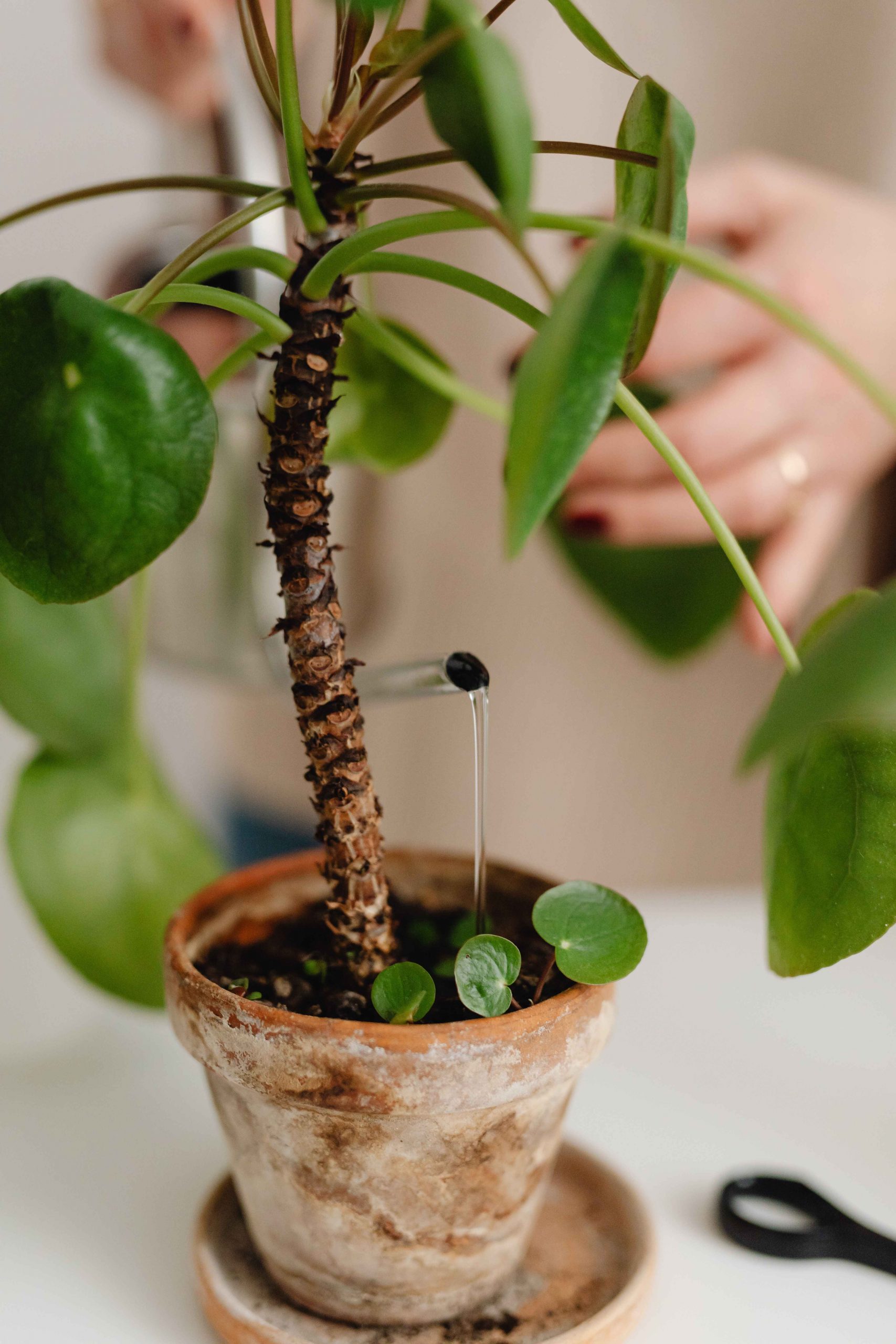
Image Credit: Pexels
ALSO SEE:
Feature Image: Pexels
