
 Jade Mcgee
Most South African gardeners know that the big rose prune happens in July, and they’re not wrong. But there is a window before deep winter that deserves attention, too. June is the moment to clear last season’s tired and dead growth, tidy the plants that are entering dormancy, and make the kind of structural cuts that set the garden up for the spring and summer show from September onwards.
Some of these plants will suffer a noticeably diminished display if this window is skipped. Others are more forgiving, but the work done now still pays dividends. Sharpen and sterilise your secateurs before you start, make clean cuts at an angle, and compost any healthy material that comes off.
Roses
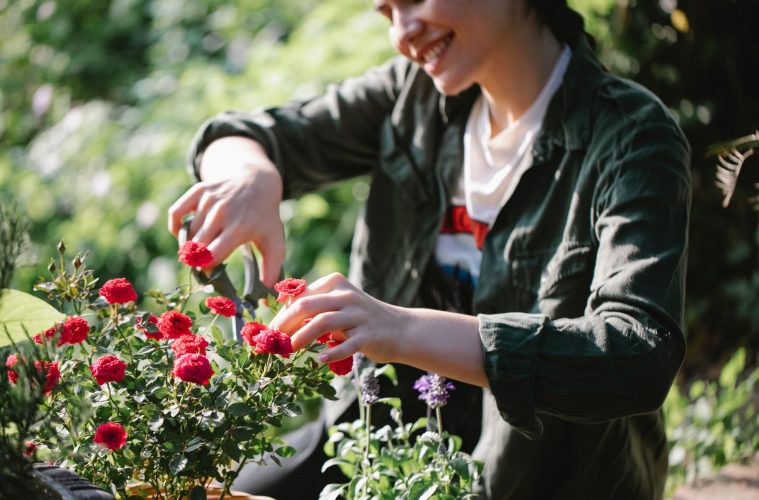
Roses are the most important plant to attend to in June and July, and it’s worth beginning the process now. Remove all dead, diseased, and crossing stems first. Any growth that looks weak, spindly or exhausted from the previous season should come off. Cut stems back to outward-facing buds at a slight angle to direct new growth outward and improve airflow through the plant.
For shrub and hybrid tea roses, a hard prune to roughly a third of the plant’s size is appropriate in late July, but June is the time to start the tidy: clearing old foliage from the base, removing spent rose hips and cleaning out any accumulated debris. Climbing roses should have their side laterals cut back to two or three buds. Training the main framework along with supports now, before new growth makes it more difficult, is time well spent. Missing this window in June-July will result in a significantly reduced summer flowering.
Hydrangeas that bloom on new wood
Before you cut a hydrangea, know which type you have. Mophead and lacecap hydrangeas (Hydrangea macrophylla) bloom on old wood and should only be pruned by removing dead and weak stems, not cut back hard. These flowered in late summer and autumn, and their old wood carries next season’s flower buds.
Smooth hydrangeas (Hydrangea arborescens), including those sold under names like Incrediball and Annabelle, are the exception. They bloom on new growth each season, which means you can cut them back hard in June and July without sacrificing the summer display. Cut to about 30 centimetres from the ground. The plant will respond with vigorous new stems that carry its enormous flower heads through summer.
Rudbeckia
Black-eyed Susan (Rudbeckia hirta) is a robust summer-flowering perennial that performs reliably in South African gardens. As it enters winter dormancy, the previous season’s stalks become dry and spent. Wait until you can see new green growth emerging at the base of the plant before cutting the old stalks back. This may be June on the Highveld, or slightly later in colder inland areas.
Once new basal growth is visible, cut the old stalks back cleanly to just above the new leaves. This encourages a strong flush of growth through spring and a generous show of golden-yellow flowers through summer.
Yarrow
Yarrow (Achillea millefolium) is a tough, spreading perennial that thrives in South African conditions, particularly in well-drained beds and rock gardens. It provides flat-topped flower clusters in shades of white, pink, yellow and red through the warmer months, and it can become invasive if not managed regularly.
June is an ideal time to cut the dead stalks back and divide established clumps that have spread beyond their allotted space. Division not only prevents the plant from overcrowding its neighbours but also reinvigorates the flowering: a well-divided stand of yarrow blooms more generously than a congested one. Replant the divisions in a sunny, well-drained position, or share them with a fellow gardener.
Salvia
Salvias are among the most reliable flowering plants in the South African garden, and a late-summer and autumn display can leave them looking leggy, spent and exhausted by June. A good cut-back now is one of the best things you can do for a salvia plant. Reduce the plant by approximately a third to a half, cutting above a set of healthy leaves. Remove any dead or woody growth from the base.
The plant will rest quietly through the colder months and then produce a flush of dense, vigorous new growth in August and September. Summer salvias, left unpruned through winter, tend to collapse by mid-season as old woody growth fails to support the new. The June prune prevents exactly that.
Agapanthus
Agapanthus is so ubiquitous in South African gardens that it sometimes receives less attention than it deserves. Remove all old spent flower stalks from the previous summer season now if you haven’t already. These can harbour disease and their removal keeps the plant tidy. Cut the stalks cleanly at the base.
June is also the time to assess whether your agapanthus clumps are overcrowded. Clumps that have become very dense and are producing noticeably fewer flowers than in previous years benefit from being divided in late winter, around August, before the new growing season begins. The work done in June, clearing old material and assessing what needs attention, makes that late-winter division more straightforward.
Sedum
Sedums, also called stonecrops, are hard-working plants in South African rock gardens and water-wise beds. Their late-summer flower heads, often in shades of pink, red and burgundy, provide long-lasting interest and attract pollinators. As the plant enters dormancy in winter, cut back the old spent flower stalks and any stems that have become damaged or straggly. For taller, clump-forming varieties, this can be cut to just above the rosette of new growth at the base.
Pinching back the upright varieties in June can also improve branching and increase the number of flowering stems produced in the following season. This is a quick job, but one that produces a noticeably fuller and more floriferous plant by the time summer arrives.
ALSO SEE:
Feature Image: Pexels
