
 Jade Mcgee
If you’ve been waiting for a sign to start growing something at home, let this be it. Microgreens are among the most rewarding and practical things you can grow indoors, and they ask almost nothing of you in return. No garden, no outdoor space, no particular growing experience. Just a tray, some potting medium, a packet of seeds and a windowsill with decent light.
And unlike most edible plants, they’ll be ready to harvest in as little as seven to fourteen days.
What microgreens actually are
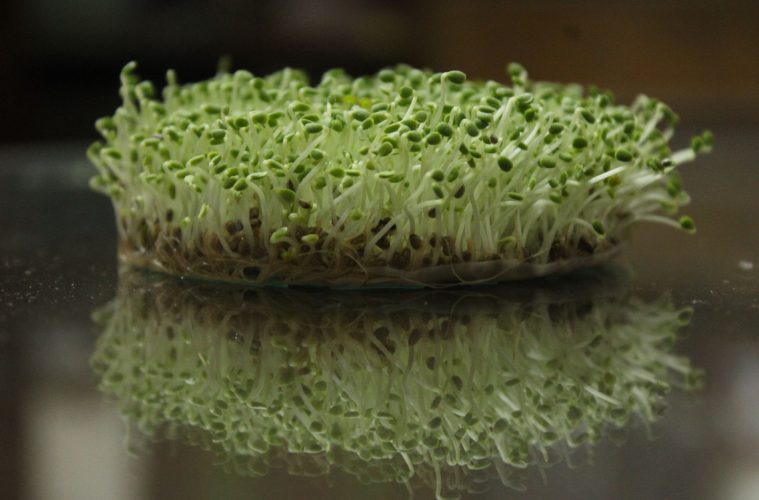
Microgreens are seedlings harvested at a young stage, typically after the first true leaves have emerged but before the plant reaches its full size. They are not sprouts, which are germinated seeds eaten root and all. Microgreens are grown in a medium, allowed to develop their first leaves, then harvested by snipping at soil level.
They are one of the most nutrient-dense foods you can grow. Several studies have found that microgreens can contain significantly higher concentrations of vitamins and minerals than the full-grown vegetable, partly because the seedling concentrates energy into its early leaves before the plant can spread its nutrition across a larger structure.
Why winter is actually the perfect time to start
The outdoor garden slows down considerably during South Africa’s winter months, particularly on the Highveld, where frosts arrive from May through August. Microgreens fill that gap perfectly. They grow entirely indoors, away from cold and frost, and because they don’t need soil depth or root space, any spare counter or shelf will do.
They also respond well to the indoor lighting available in most homes. A north-facing windowsill in South Africa provides enough natural light for most microgreen varieties through winter. For a dedicated indoor setup, a small LED grow light keeps production consistent regardless of the weather.
Which varieties to start with
Sunflower microgreens are among the most beginner-friendly: the seeds are large, germination is reliable, and the resulting greens are thick-stemmed, crunchy and mild enough to use in almost anything. Pea shoots are equally forgiving and produce tender, sweet leaves that work beautifully in salads and sandwiches.
Radish microgreens germinate within days and are ready to harvest quickly, making them satisfying for anyone who wants fast results. Broccoli and kale microgreens have a slightly more assertive flavour and are among the most nutrient-dense options. Coriander microgreens take a little longer but produce small leaves that taste exactly like fresh coriander, and at a fraction of what a bunch costs at the supermarket.
How to grow them
Fill a shallow tray or container with a thin layer of potting mix, about three to four centimetres deep. Good drainage is important, so choose a tray with holes or use a sieve-style liner. Scatter seeds generously across the surface, more densely than you would in a standard garden bed, and press them gently into the medium. Water lightly using a spray bottle rather than a pour, which can dislodge the seeds.
Cover the tray with another tray or a sheet of cardboard for the first two to three days. This creates a dark, humid environment that encourages germination. Once the seeds have sprouted and you can see white shoots, remove the cover and place the tray in a well-lit position. Continue to mist lightly once or twice a day.
Most varieties are ready to harvest once the first true leaves have emerged. Snip at soil level using clean scissors. Use immediately for the most intense flavour, or store in an airtight container in the fridge for up to three days.
What to do with them
Microgreens are at their most useful when they’re treated as a finishing ingredient rather than a base. A handful scattered over scrambled eggs, added to a lunchtime sandwich or used to top a bowl of soup adds both visual appeal and nutritional value without requiring any cooking. Radish and mustard microgreens can be used as a peppery salad leaf in their own right. Pea shoots are sweet enough to eat straight from the tray.
The bigger picture
Growing microgreens is one of the most efficient uses of space, money and effort in home growing. A tray the size of a shoebox produces a week’s worth of nutrient-rich greens for very little cost. It’s a practical way to grow something meaningful even in a flat with no garden, and once you’ve started, it tends to become a habit rather than a project.
ALSO SEE:
Featured Image: Pexels
