
 Maegan-Leigh Jacobs
Nothing transforms a space quite like indoor palms. Their lush, green fronds instantly add life and a calm, tropical feel to any room. Beyond their beauty, these plants can help purify the air and increase humidity, making them a practical and stylish addition to your home.
Whether you’re just starting with houseplants or already have a collection, there’s a palm that will suit your space and lifestyle.
Caring for indoor palms
Most indoor palms enjoy warmth, moderate light, and a bit of humidity. To keep yours thriving:
- Use pots with good drainage and well-draining soil.
- Mist leaves regularly to boost humidity.
- Keep palms away from cold drafts or direct heat sources.
- Feed lightly in spring and summer with a balanced liquid fertiliser.
- Remove yellow or dead fronds to encourage healthy growth.
- Use fluoride-free or distilled water if possible to avoid brown leaf tips.
With consistent care, indoor palms can flourish for years, giving your home a tropical lift that never goes out of style.
Read more: Big leaf plants that are guaranteed to make a statement in your home
Here are some of the best indoor palms to try:
Areca Palm
Also called the butterfly palm, this plant has feathery, arching fronds that bring a bright, airy feel to your home. It prefers bright, indirect light and high humidity, growing up to 2–2.5 m tall. Keep the soil lightly moist, and let the top layer dry out between waterings.
Botanical name: Dypsis lutescens
Parlor Palm
A classic choice, the parlor palm thrives in low to moderate light, making it ideal for rooms with less sun. It prefers soil that is kept slightly moist and shouldn’t sit in standing water. This single-stemmed palm can reach around 1.8 m.
Botanical name: Chamaedorea elegans
Kentia Palm
Elegant and slow-growing, the kentia palm adapts well to different light levels, from low to bright, indirect sunlight. Water only when the soil starts to dry out, and its graceful, arching fronds will reward you with a sophisticated look.
Botanical name: Howea forsteriana
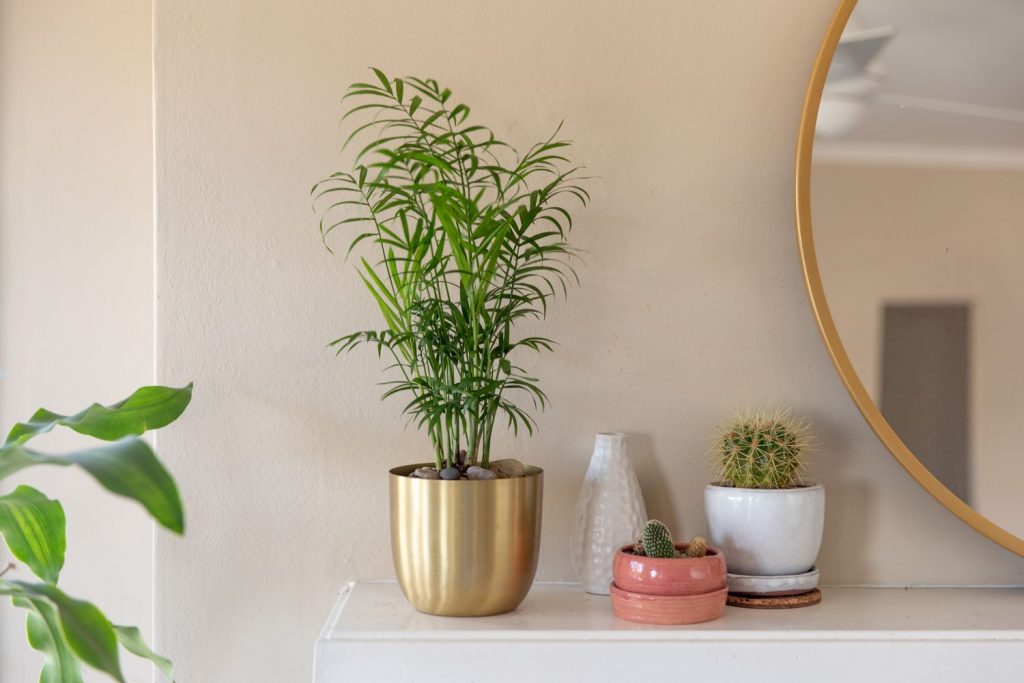
Bamboo Palm
This plant has multiple stems that resemble bamboo and can grow up to 2 m indoors. It tolerates low light and is excellent at cleaning the air. Water when the top layer of soil feels dry, and it will add a tropical vibe to smaller spaces.
Botanical name: Chamaedorea seifrizii
Lady Palm
The lady palm has elegant fan-shaped leaves and is surprisingly low-maintenance. It does well in low to moderate light and prefers slightly moist soil. Some varieties even have variegated fronds for added interest.
Botanical name: Rhapis excelsa
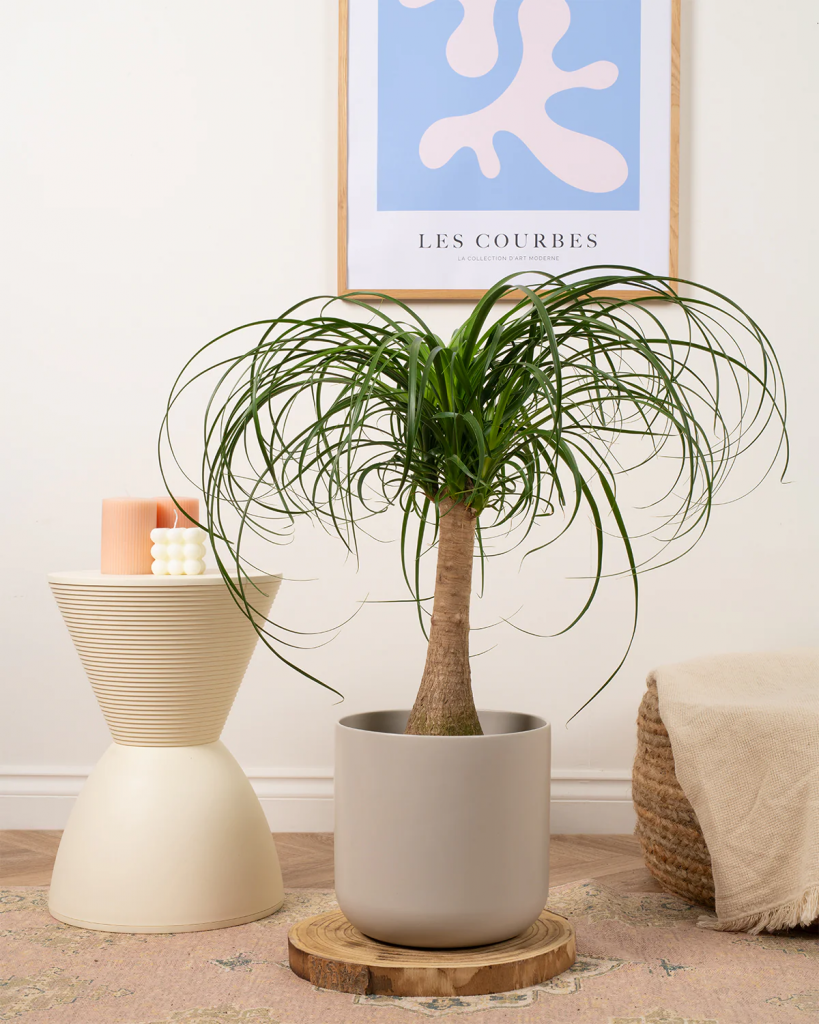
Ponytail Palm
Not a true palm, but it makes a dramatic statement with its bulbous trunk and curly, cascading leaves. It thrives in bright light and requires very little water, letting the soil dry out completely between waterings.
Botanical name: Beaucarnea recurvata
Majesty Palm
This striking palm features long, arching fronds and enjoys bright spaces with consistent humidity. It needs slightly more care than other palms but makes a stunning focal point. Keep soil evenly moist and mist regularly.
Botanical name: Ravenea rivularis
Pygmy Date Palm
Perfect for smaller spaces, the pygmy date palm has delicate, feathery fronds and a compact shape. Place it in bright, indirect light and water when the top of the soil feels dry.
Botanical name: Phoenix roebelenii
Fishtail Palm
Named for its jagged, fish-tail-shaped leaves, this palm is a real statement piece. It prefers bright, indirect light and soil that stays slightly moist but drains well.
Botanical name: Caryota mitis
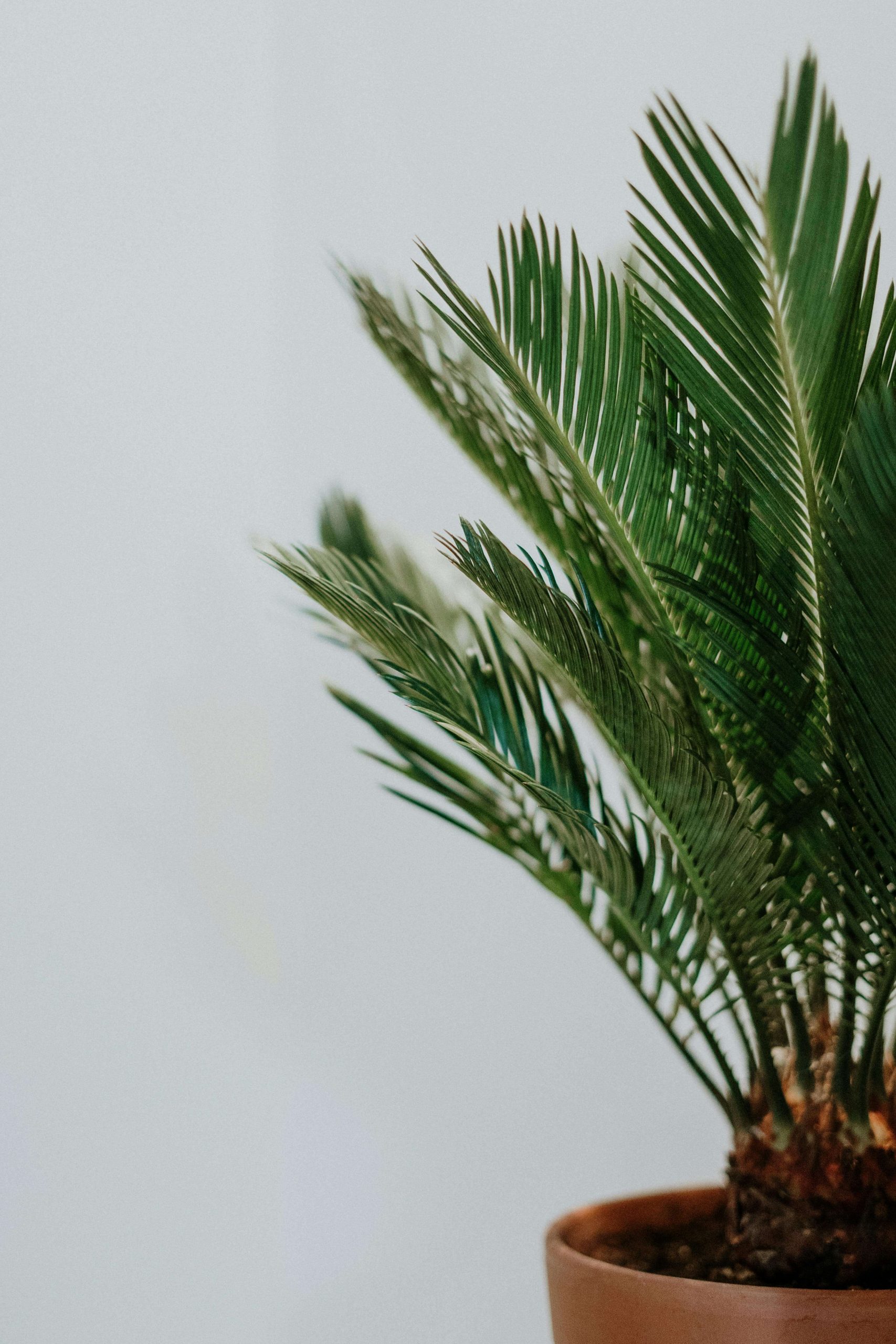
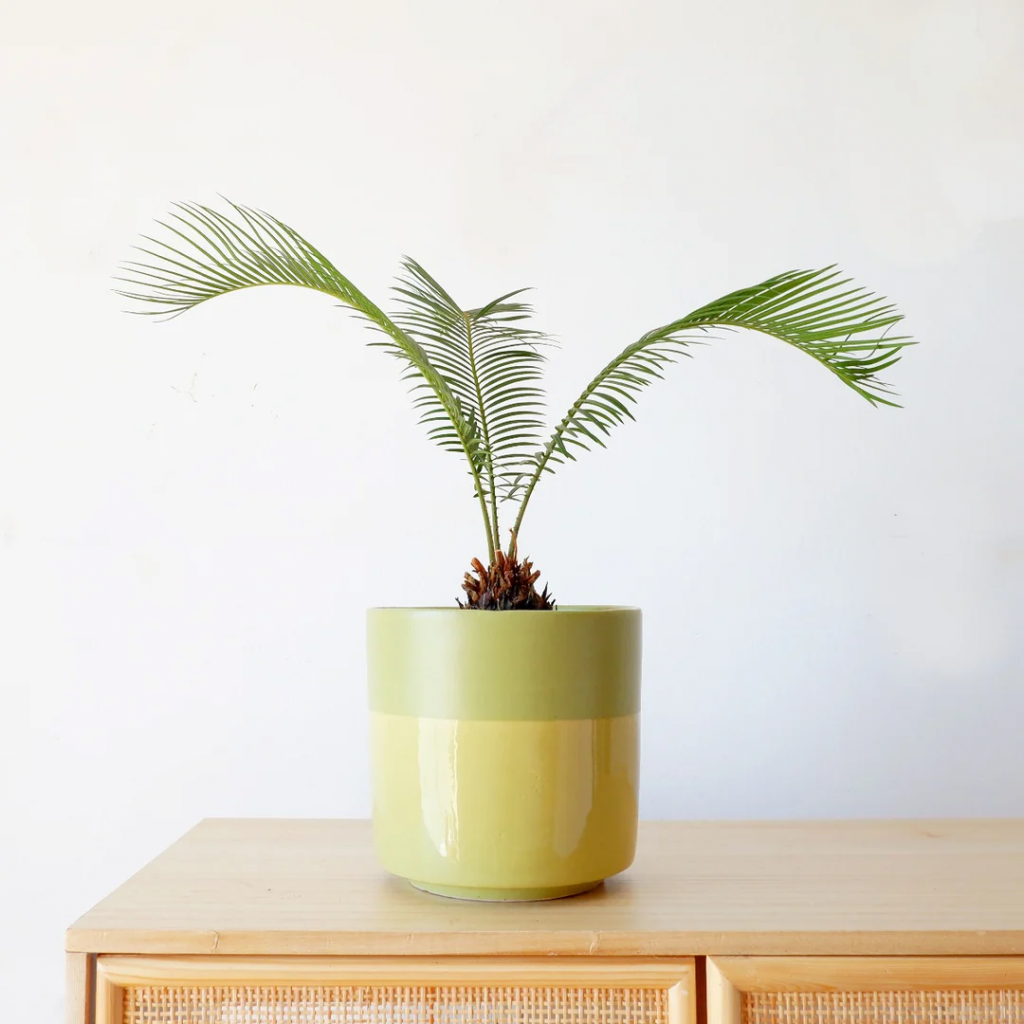
Sago Palm
A cycad often treated as a palm, the sago palm has stiff, glossy leaves that give a strong tropical impression. It prefers bright, indirect light and should be watered sparingly, letting the soil dry between waterings. Note: it’s toxic to pets.
Botanical name: Cycas revoluta
Indoor palms are an effortless way to introduce colour, texture, and a tropical charm to your home. From compact options to taller statement plants, there’s a palm for every room, style, and level of experience.
ALSO SEE: YOUR GUIDE TO LOW MAINTENANCE HOUSEPLANTS
