
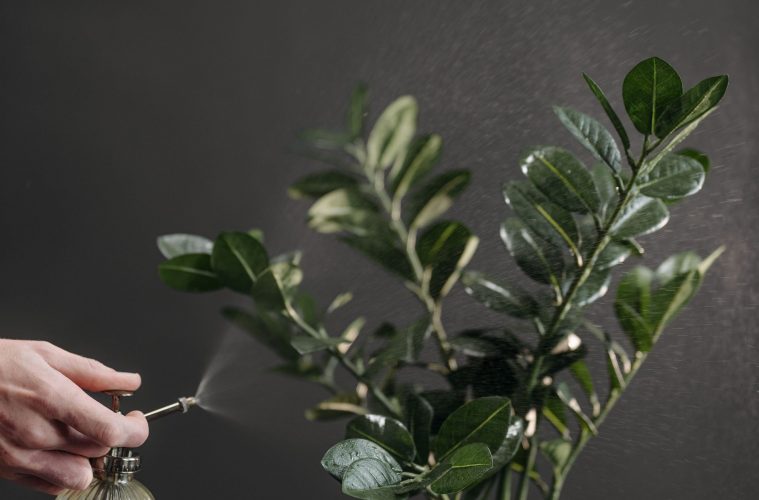
 Jade Mcgee
With glossy leaves, upright stems and a remarkable tolerance for neglect, the ZZ plant has earned its reputation as one of the easiest indoor plants to live with. It is a strong choice for beginners, busy households and rooms where fussier houseplants tend to struggle.
Zamioculcas zamiifolia is also closer to home than many people realise. The species is indigenous to eastern Africa and extends into northern KwaZulu-Natal, where it grows naturally in warm conditions. Indoors, that background helps explain its preference for warmth, drainage and a watering routine that errs on the dry side.
Give a ZZ plant indirect light
A ZZ plant can tolerate low light, but tolerance is not the same as preference. It grows more strongly in bright, indirect light and may become stretched or sparse if kept for long periods in a very dark room. Direct, harsh sun can scorch the leaves, especially through hot glass.
Choose a position with filtered light and keep the plant away from cold draughts. Average indoor temperatures suit it well. If growth slows in winter, resist the urge to compensate with more water or fertiliser.
Water only after the mix has dried
Overwatering is the most common way to lose a ZZ plant. Its thick rhizomes store water below the soil, so it can cope with dry spells far better than waterlogged roots. Let the potting mix dry out well between waterings, then water thoroughly and allow the excess to drain away.
A rigid weekly schedule is less useful than checking the pot. Light, temperature, pot size and season all influence how quickly the mix dries. If the container still feels heavy or the soil remains damp below the surface, wait.
Use a free-draining potting mix
Good drainage matters as much as watering frequency. A standard indoor-plant mix can work if it drains freely, while a coarser blend intended for succulents can help in homes where pots tend to stay wet for too long. Always use a container with a drainage hole and empty standing water from decorative covers or saucers.
ZZ plants do not need constant feeding. A diluted balanced houseplant fertiliser once or twice during active growth is usually enough. More fertiliser will not compensate for poor light or soggy soil.
Yellow leaves are usually a watering clue
A few older leaves may yellow naturally, but widespread yellowing, soft stems or a rotting smell should prompt a closer look at the roots and rhizomes. Persistent wetness is a common cause. Let the mix dry, remove damaged material if necessary and repot into fresh, free-draining medium when rot is present.
Very dry plants may also shed leaves, so look at the soil before assuming the cause. Mealybugs, scale, fungus gnats and aphids can occasionally appear, particularly on stressed plants. Keeping leaves clean and inspecting stems and leaf joints makes early infestations easier to spot.
Propagate by division or leaf cuttings
Division is the quickest way to make another plant. When a mature ZZ has filled its pot, separate healthy rhizomes carefully and pot them individually. Leaf or stem cuttings can also work, but they are a patience project because new rhizomes and shoots may take many months to develop.
Repot only when the plant is genuinely crowded. ZZ plants cope well with being slightly snug, so a much larger pot can create more wet soil around a relatively small root system.
Keep ZZ plants away from pets and children
ZZ plants contain irritating calcium oxalate compounds and should not be eaten. Keep them out of reach of pets and young children, and wear gloves if the sap irritates your skin when pruning or repotting.
Low-maintenance does not mean no-maintenance. Give a ZZ plant decent indirect light, let it dry between waterings and pay attention to drainage, and it can remain one of the most dependable green accents in the house for years.
ALSO SEE:
Featured Image: Pexels
