
 Chumasande Matiwane
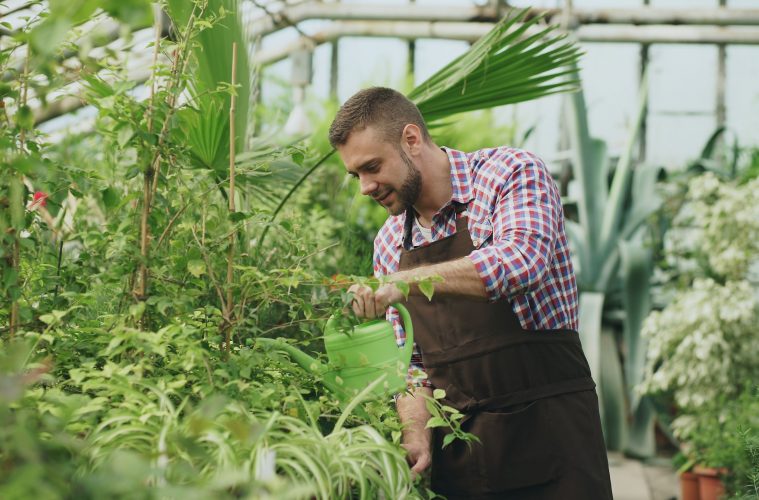
Gardening does not always have to be about fast results. Slow gardening encourages people to take their time, work with nature and enjoy the process of growing plants rather than focusing solely on the finished garden.
The approach is closely linked to mindful and sustainable gardening practices. Instead of constantly changing beds or rushing plants to maturity, slow gardeners observe their surroundings, work with the seasons and allow their gardens to develop naturally.
Enjoy the process
One of the biggest benefits of slow gardening is the opportunity to reconnect with nature. Spending time watering plants, preparing soil, removing weeds or simply observing new growth can turn gardening into a calming daily ritual.
It also encourages gardeners to pay attention to subtle changes, from new leaves and emerging buds to visiting birds, bees and butterflies.
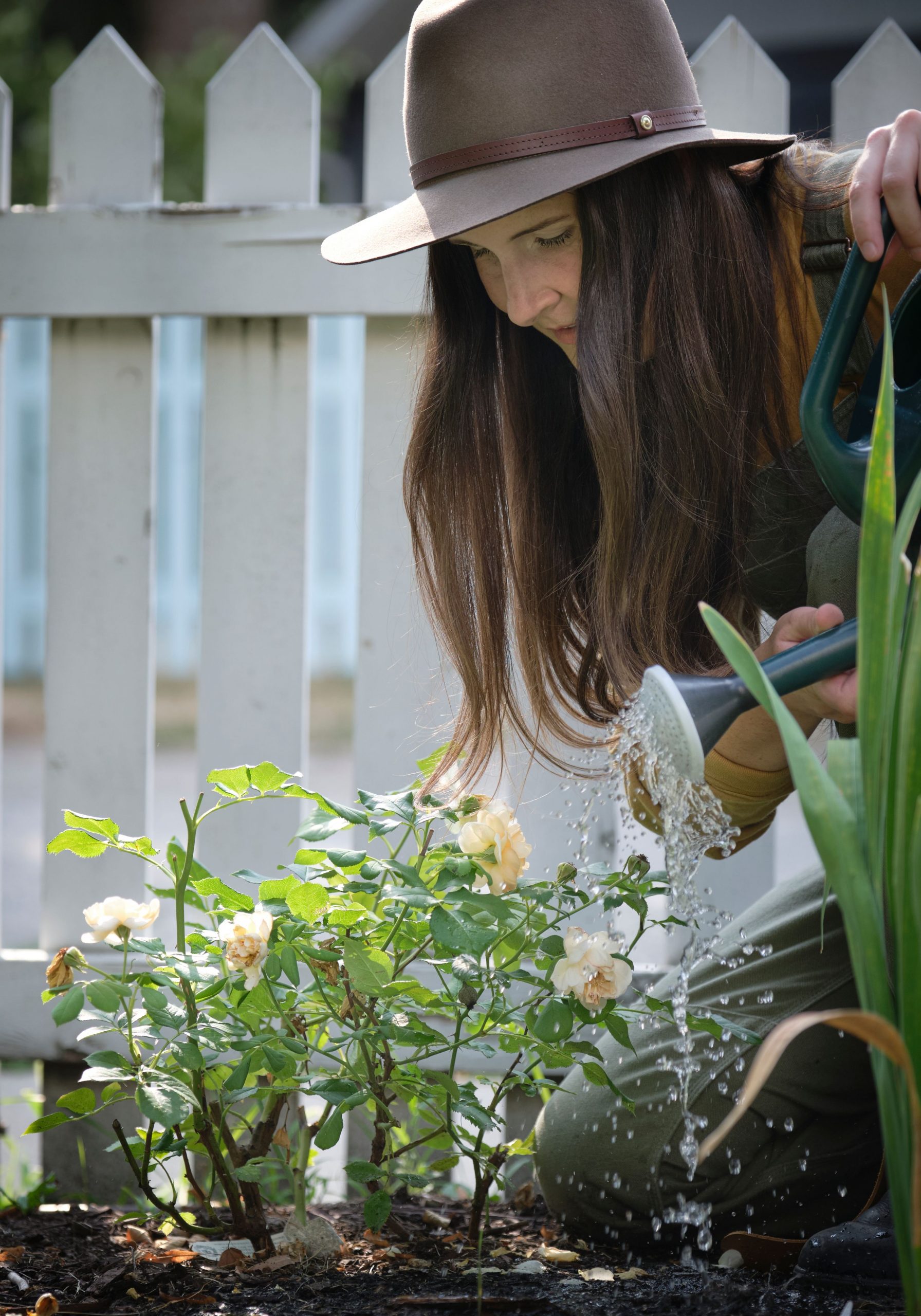
Image Credit: Pexels
Work with the seasons
Slow gardening means accepting that plants grow at their own pace. Rather than forcing growth, gardeners can choose plants suited to their local climate and allow seasonal changes to guide their gardening activities.
This can also make the garden easier to maintain, as plants that are well suited to their environment generally require less intervention.
Build healthier soil
Instead of relying heavily on synthetic fertilisers, slow gardening places greater emphasis on building healthy soil over time. Adding compost, using organic matter and leaving some plant material to decompose can gradually improve soil structure and fertility.
Healthy soil supports stronger plants and contributes to a more resilient garden.
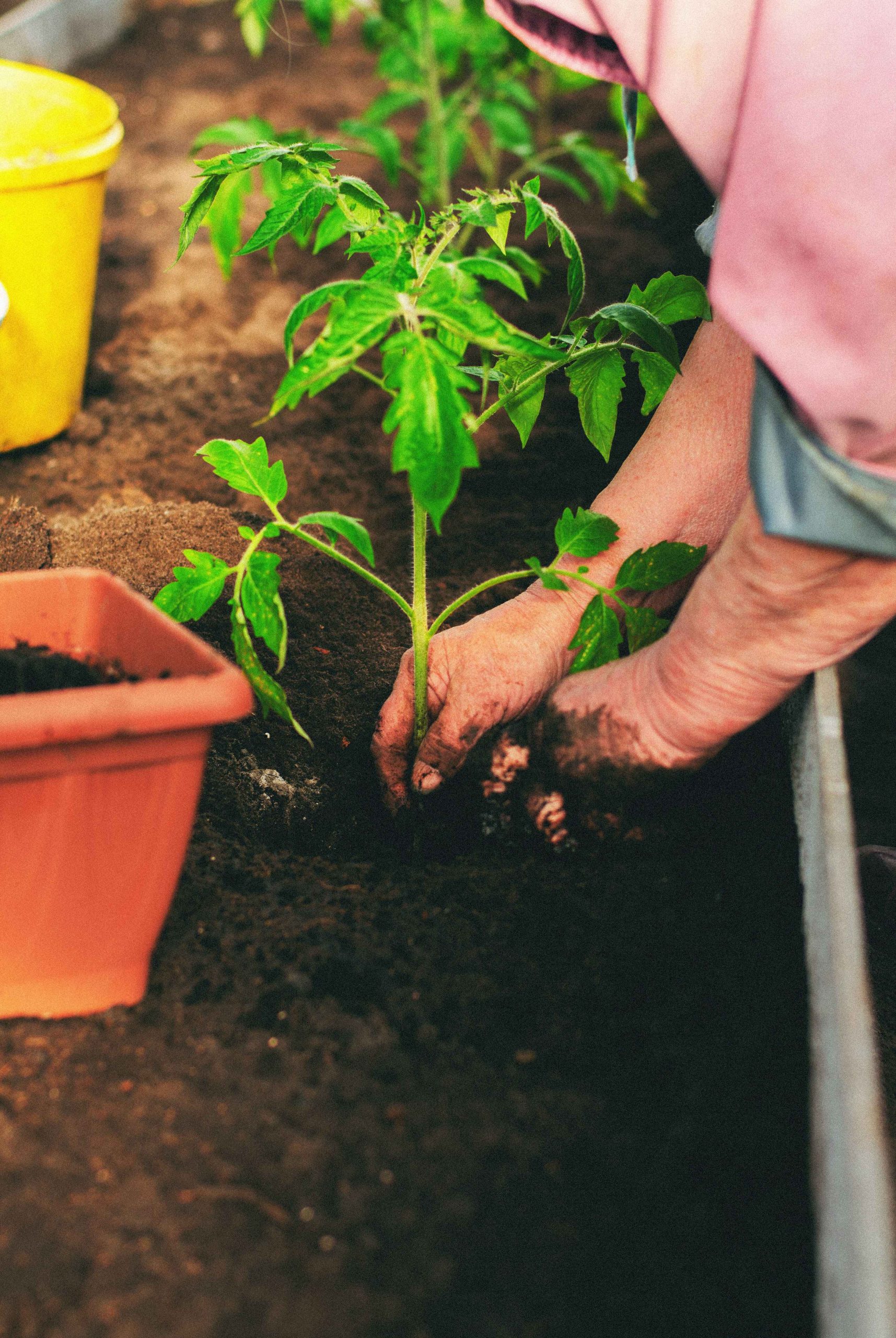
Image Credit: Pexels
Encourage biodiversity
A slower, less manicured garden can provide valuable habitat for wildlife. Leaving some fallen leaves, allowing certain plants to flower, and including a variety of indigenous and pollinator-friendly plants can create spaces for insects, birds and other small creatures.
Rather than trying to make every part of the garden perfectly neat, slow gardening allows room for nature to thrive.
One of the greatest advantages of slow gardening is that it changes the way you think about gardening. It encourages patience, observation and appreciation rather than perfection.
Whether you have a large backyard, a small garden or a few containers on a balcony, embracing a slower approach can make gardening more enjoyable while creating a healthier environment for plants, people and wildlife.
ALSO SEE:
Feature Image: Pexels
