
 Chumasande Matiwane
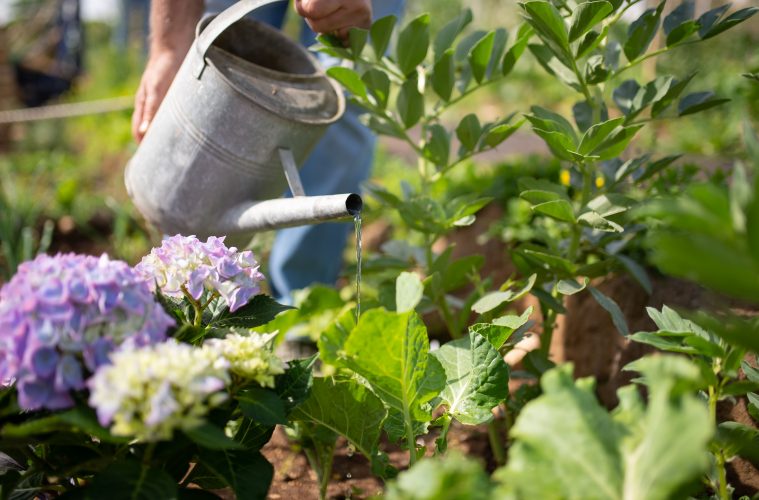
A productive garden is more than just a beautiful outdoor space—it is a reliable source of fresh vegetables, herbs, fruits, and flowers throughout the growing season.
Whether you have a large backyard or a small, raised bed, maximising your garden’s productivity requires thoughtful planning, efficient use of space, and consistent care. By applying a few proven gardening techniques, you can harvest more while using fewer resources.
Well-plan your garden
Successful gardening begins with careful planning. Choose a location that receives at least six to eight hours of sunlight daily, as most vegetables thrive in full sun.
Design your garden so taller plants do not shade smaller ones, and group plants with similar water and nutrient requirements together. Planning also helps ensure every available space is used effectively.
Choose high-yield crops
Select crop varieties that perform well in your climate and offer high yields. Fast-growing vegetables such as lettuce, spinach, radishes, beans, and zucchini provide frequent harvests. Growing disease-resistant varieties can also reduce losses and improve overall productivity.
Improve soil health
Healthy soil is the foundation of a productive garden. Before planting, enrich your soil with compost or well-rotted organic matter to improve fertility, drainage, and moisture retention.
Regular soil testing can help identify nutrient deficiencies and pH imbalances, allowing you to make targeted improvements. Healthy soil encourages strong root systems and vigorous plant growth.
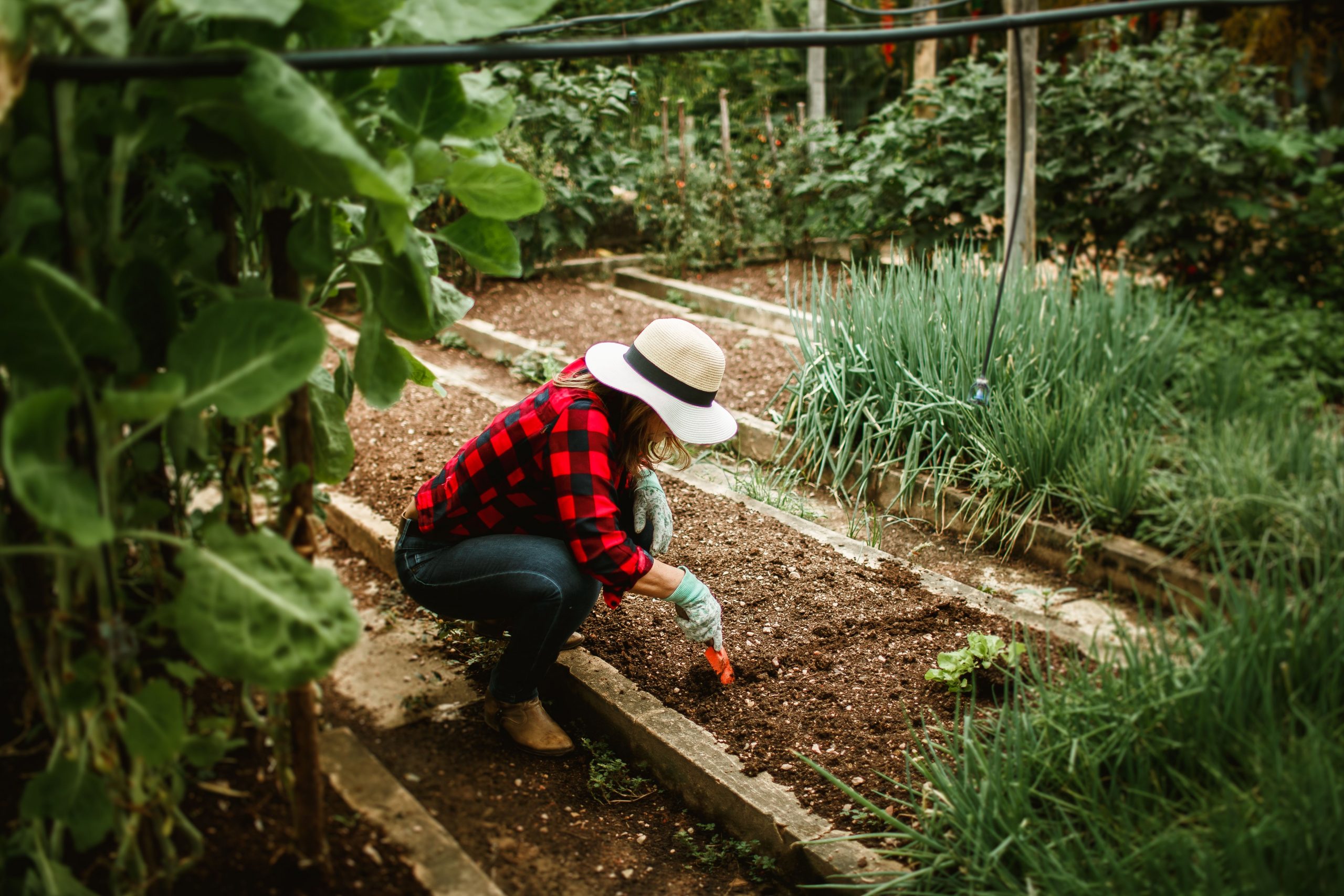
Image Credit: Pexels
Practice successional planting
Instead of planting everything at once, sow seeds or transplant seedlings in stages throughout the growing season. As one crop finishes, replace it with another. For example, after harvesting peas, plant beans or carrots in the same space. Succession planting ensures continuous production and makes the most of available garden space.
Use vertical spaces
Growing plants vertically is an excellent way to increase yields in limited areas. Use trellises, cages, stakes, or garden arches to support crops such as tomatoes, cucumbers, peas, and climbing beans. Vertical gardening improves air circulation, reduces disease, and makes harvesting easier while freeing ground space for additional crops.
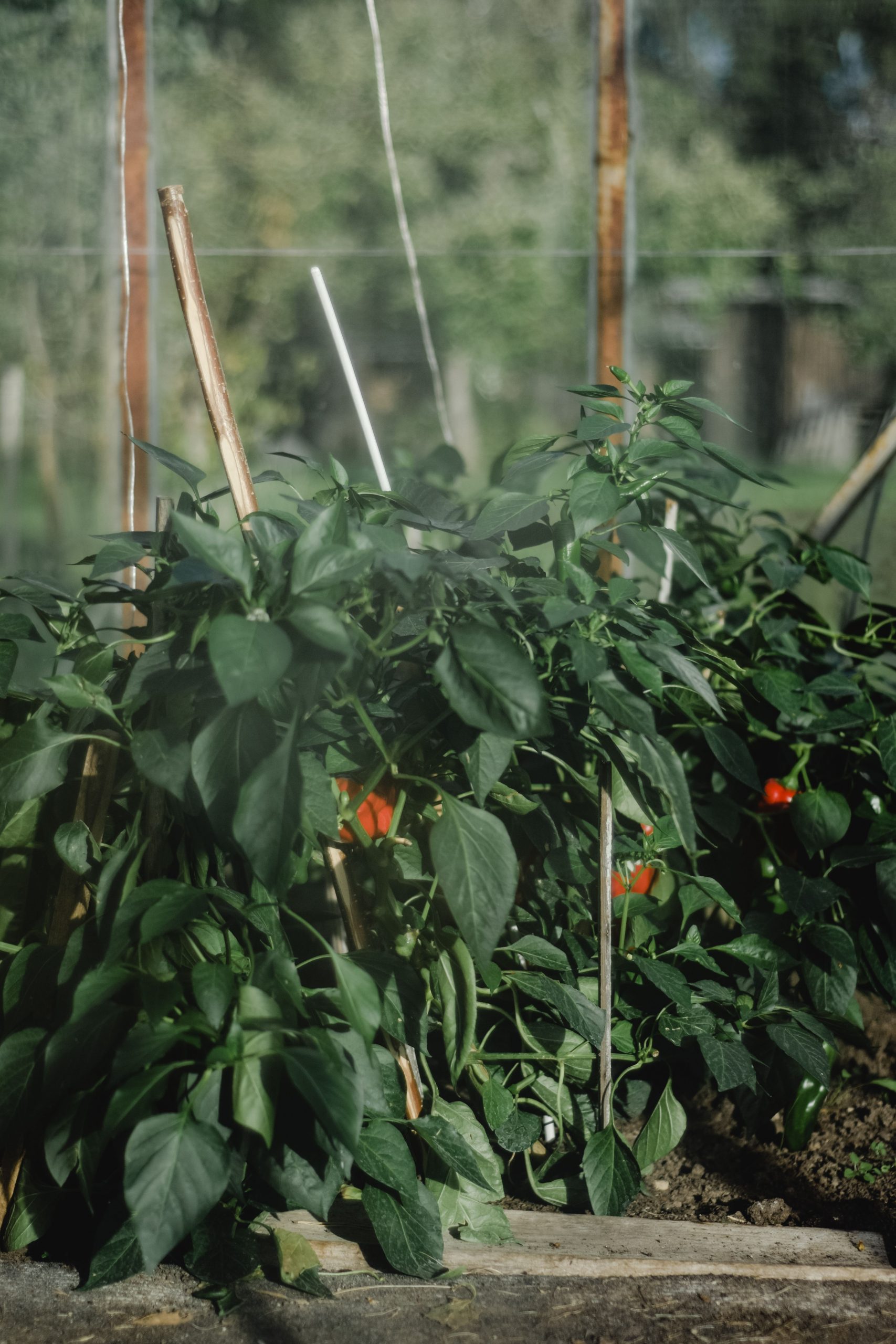
Image Credit: Pexels
Water your garden well
Consistent watering is essential for healthy plant growth. Water deeply rather than frequently to encourage roots to grow deeper into the soil.
Drip irrigation delivers water directly to plant roots, reducing evaporation and conserving water. Watering early in the morning also minimises moisture loss and helps prevent fungal diseases.
Harvest frequently
Many vegetables produce more when harvested regularly. Pick beans, cucumbers, zucchini, tomatoes, and herbs as soon as they are ready. Frequent harvesting encourages plants to continue flowering and producing throughout the season.
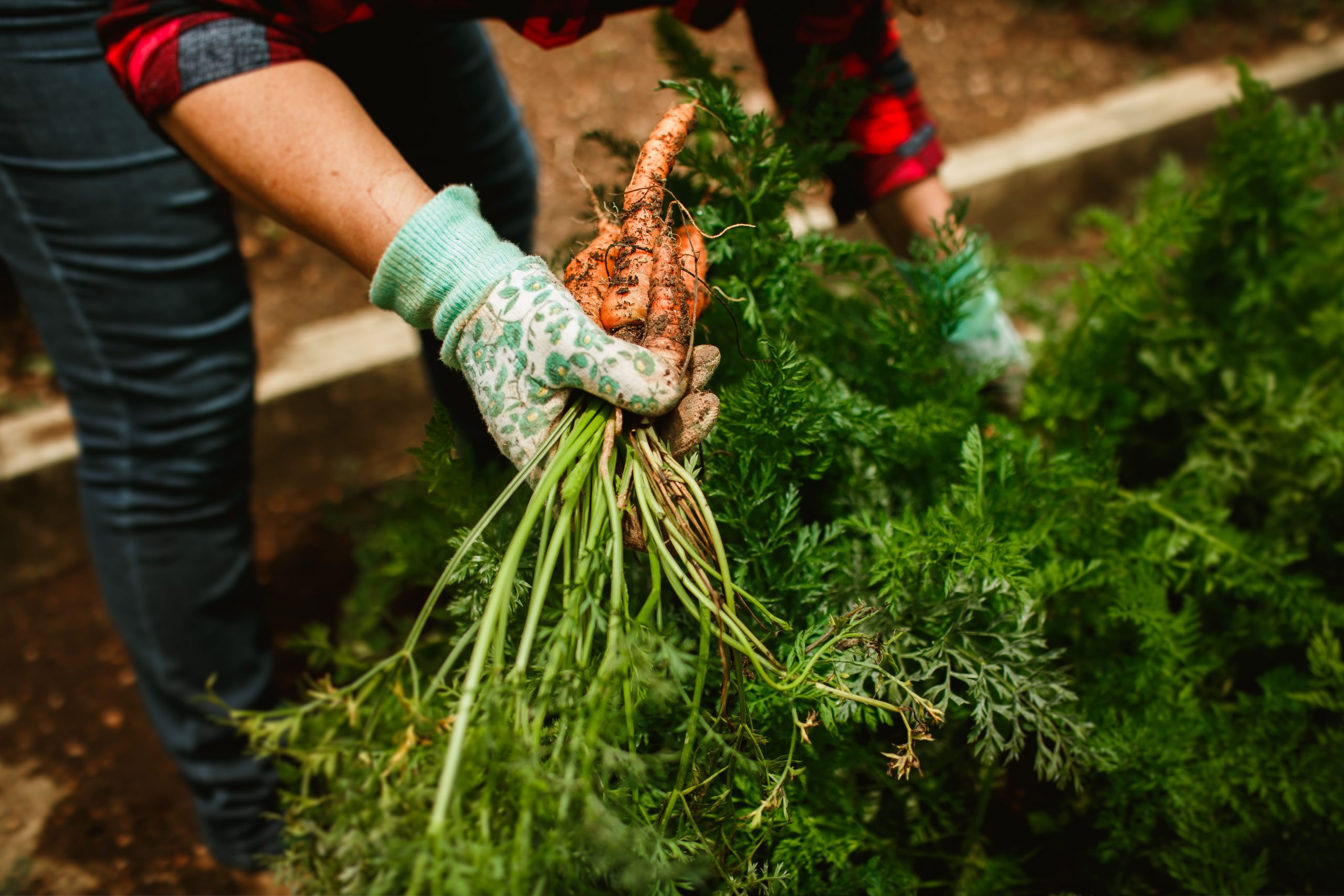
Image Credit: Pexels
With patience and consistent attention, even a modest garden can provide you with a rewarding supply of fresh, homegrown produce year after year.
ALSO SEE:
Feature Image: Pexels
