
 Chumasande Matiwane
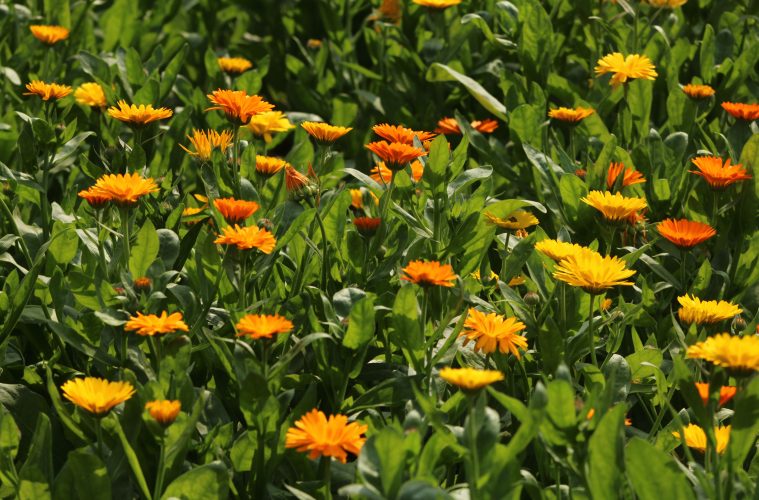
Calendula, often called pot marigold, is a cheerful flowering plant that can bring bright colour and practical benefits to your garden. With the plant’s vibrant yellow and orange blooms, these easy-to-grow plants are among the best choices for both beginner and experienced gardeners.
But the calendula is more than just a pretty flower.
Here are some of the key benefits of growing it in your garden.
They add colour to the garden
The plants produce bright flowers in shades of yellow, gold, and sometimes orange tones. Cheerful blooms that can instantly brighten flower beds, containers, or borders around your garden.
Attracts pollinators
Calendula flowers can attract bees, butterflies, and other beneficial insects. Adding flowering plants to your garden provides valuable sources of nectar and pollen while making the garden livelier and more biodiverse. Planting calendula alongside vegetables and other flowering plants can help create a more welcoming environment for pollinators.
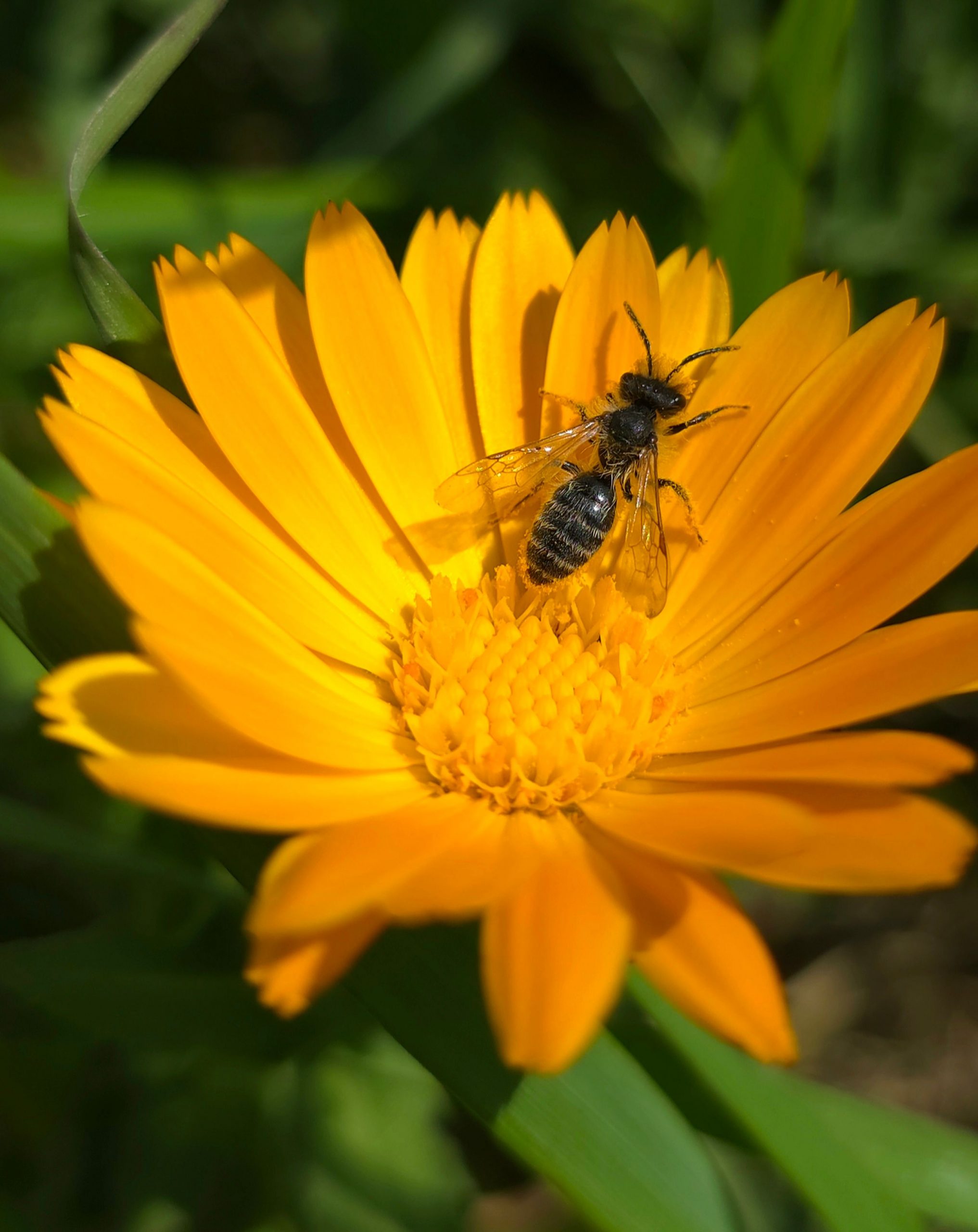
Image Credit: Pexels
Easy to grow
One of Calendula’s biggest advantages is that it is relatively easy to grow. It can adapt to a variety of garden conditions and does not usually require complicated maintenance.
With suitable sunlight, reasonably fertile soil, and consistent watering while plants become established, calendula can reward gardeners with plenty of attractive blooms.
Can be grown in containers
With these flowers, you don’t need a large garden to enjoy them. The calendula flowers can grow successfully in pots and containers when provided with adequate drainage, sunlight, and appropriate soil.
Container-grown calendula can add colour to balconies, entrances, windowsills, and patios.
They self-seed
One of their best attributes is that these flowers can readily produce seeds, and mature plants may self-seed in suitable garden conditions. This means new calendula plants may appear in the following growing season without having to purchase new plants every year.
If you want to control where calendula grows, simply remove spent flowers before they develop mature seeds.
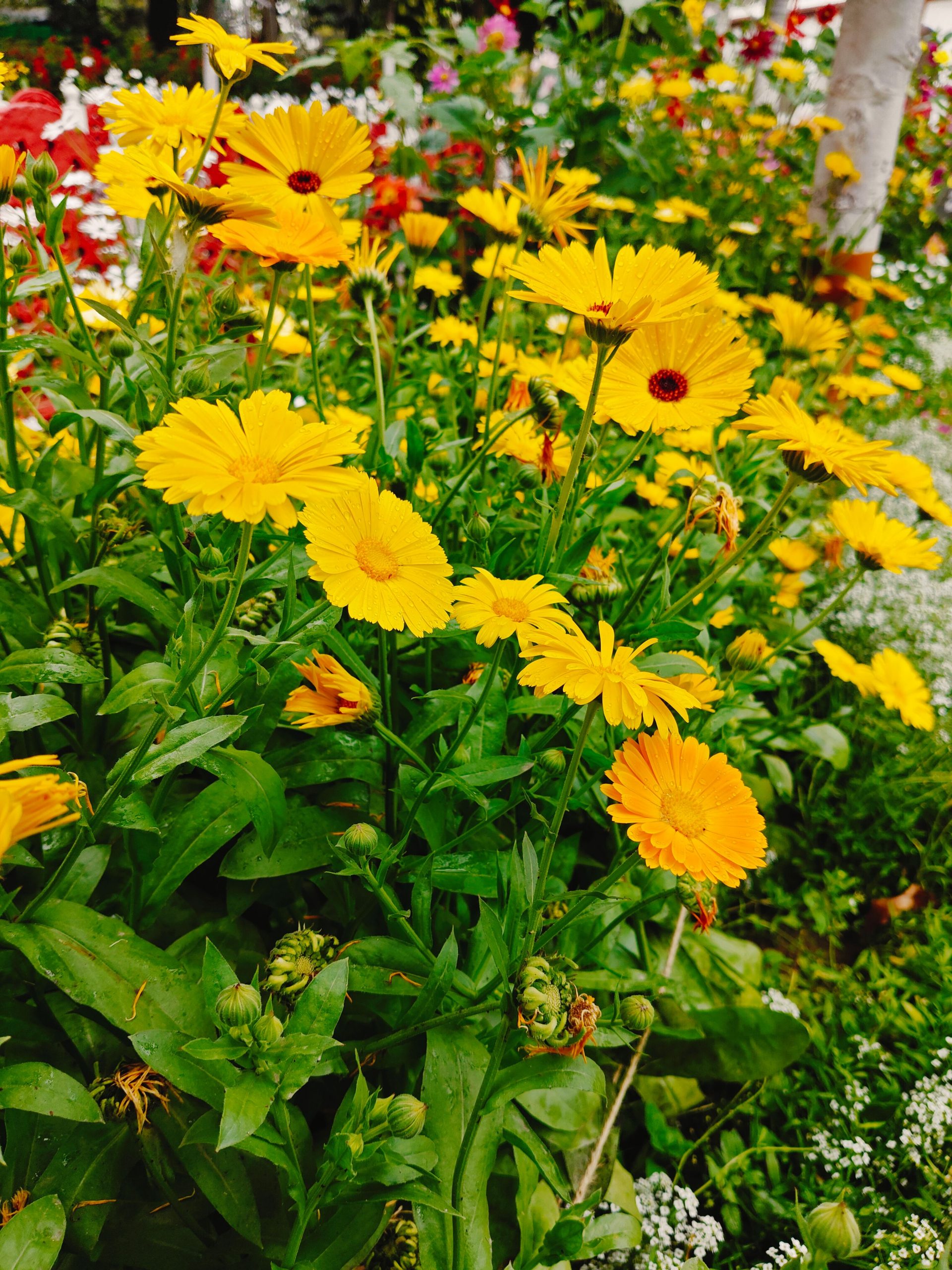
Image Credit: Pexels
For the best results, give the flowers a sunny or partly sunny position and plant them in soil that drains well. Water young plants regularly while they establish, but avoid keeping the soil constantly waterlogged.
ALSO SEE:
Feature Image: Pexels
