
 Chumasande Matiwane
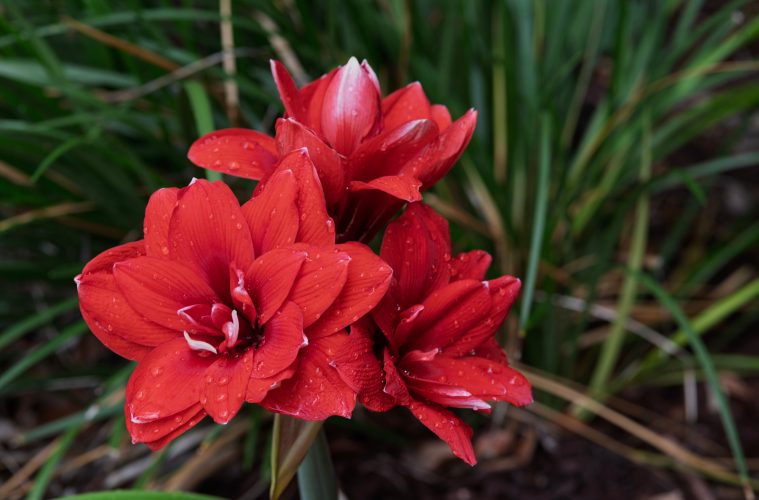
Few bulbs bring as much drama to the garden as amaryllis. With their tall, elegant stems and trumpet-shaped flowers, these striking plants can turn a sunny border, garden or container display into a colourful focal point.
Choose the right spot
True Amaryllis, especially Amaryllis belladonna, is a bulb native to South Africa and is well-suited to outdoor cultivation in suitable climates. Therefore, when choosing these plants, it’s essential to select the right variety.
Amaryllis bulbs perform best in full sun and free-draining soil. Choose a sheltered position where the bulbs can remain relatively undisturbed. When cultivating these bulbs, you need to avoid areas where water is collected after rain, as constantly wet soil can encourage bulb rot.
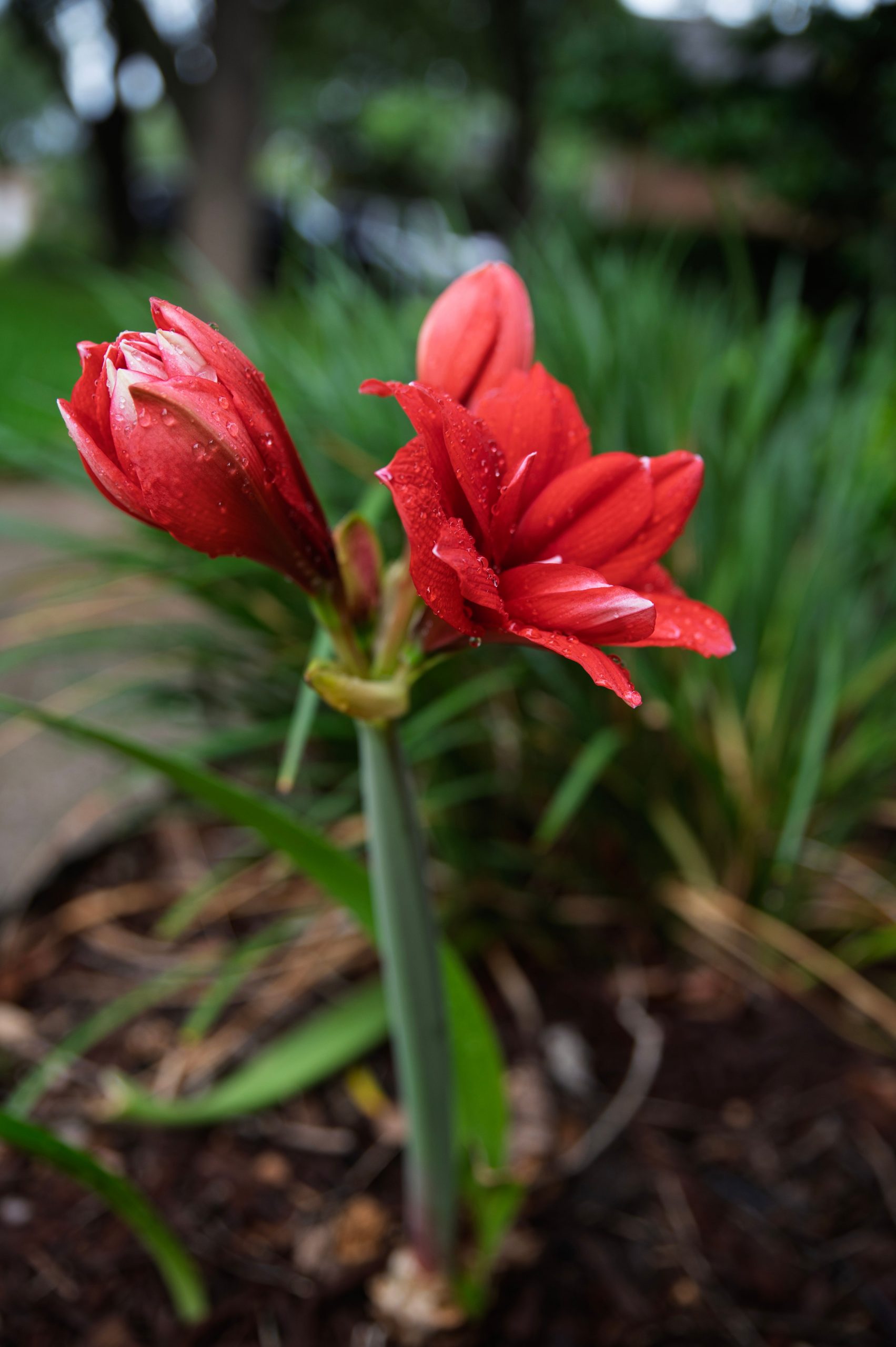
Image Credit: Pexels
Prepare the soil
Before planting, loosen the soil and incorporate well-rotted organic matter if it is heavy or lacks structure. The goal is a fertile but well-drained growing soil. If your garden soil drains poorly, improve drainage or plant the bulbs in a raised bed or container.
Plant bulbs shallowly
Plant dormant amaryllis bulbs with the neck of the bulb just above the soil surface rather than burying them deeply. For garden planting, you need to space the bulbs approximately 20–30cm apart, giving each plant enough room to develop.
After planting, water the soil to encourage root development, but avoid keeping it saturated.
Give them room to shine
Amaryllis serves as an excellent focal plant, especially when grouped. Planting several bulbs together can enhance the visual impact of their flowers.
They also work beautifully in containers. Choose a sturdy, well-drained pot because the tall flowering stems can become top-heavy.
Water wisely
Once established, true amaryllis flowers become relatively drought-tolerant, but newly planted bulbs benefit from watering while they develop roots. The key is to avoid overwatering. Allowing the soil to drain between waterings is important because cold, wet conditions can cause bulbs to rot.
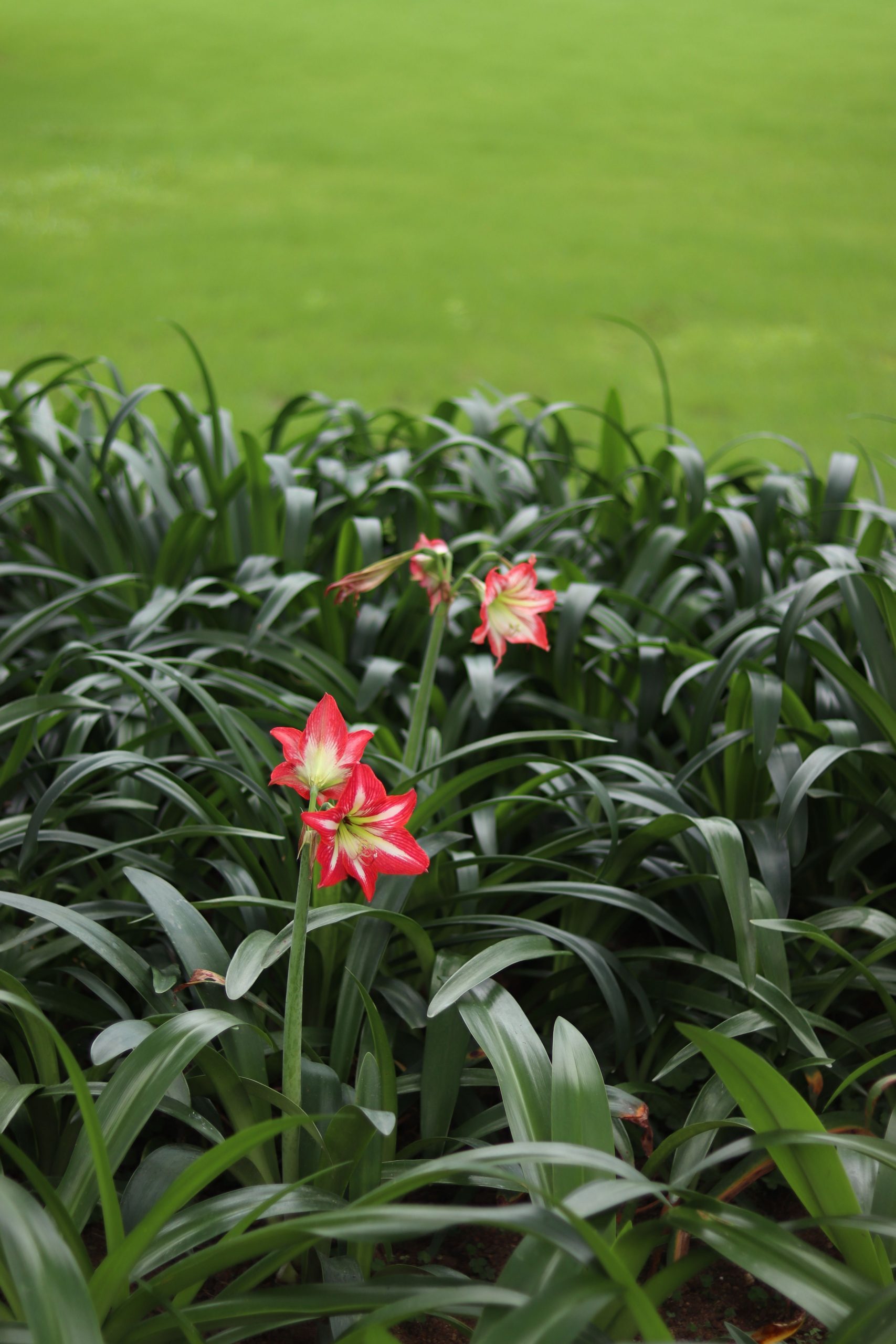
Image Credit: Pexels
After flowering, resist the temptation to remove healthy leaves immediately. The leaves help the bulb photosynthesise and store energy for future growth and flowering.
ALSO SEE:
Feature Image: Pexels
