
 Chumasande Matiwane
As the South African winter settles in, it’s easy to dream of snuggling under warm blankets with a cup of hot chocolate. But before you reach the warm, cosy stuff, it’s important to make sure your home is ready to handle the cold.
Winter in South Africa varies, from the icy mornings and dry Highveld air of Gauteng to the wet and windy winters in the Western Cape, but one thing remains the same: a well-prepared home means a warmer, safer, and more energy-efficient winter season.
Insulation is everything
Heat escapes easily through poorly insulated ceilings, walls, and even flooring. Start at the top – ceiling insulation is one of the most effective ways to retain warmth. Whether you’re using thermal blankets, eco-friendly insulation, or polystyrene boards, making this investment can reduce heating costs in your home.
If full insulation isn’t an option, focus on blocking draughts. Self-adhesive weather stripping, rubber seals, and foam tape are affordable fixes for doors and windows. Use draught excluders or rolled towels at the base of doors to keep icy air from seeping in. Curtains also play a big role.
Secure your windows and doors
Windows and doors are often the biggest culprits when it comes to heat loss. Older homes with wooden frames or single-glazed windows may need a little extra care.
Use silicone caulk to seal gaps around window frames. Apply insulating film to the glass – it’s invisible and adds an extra layer of insulation. If replacing windows is on your future to-do list, consider upgrading to double-glazed panes, especially if you’re in colder or wetter regions of the country.
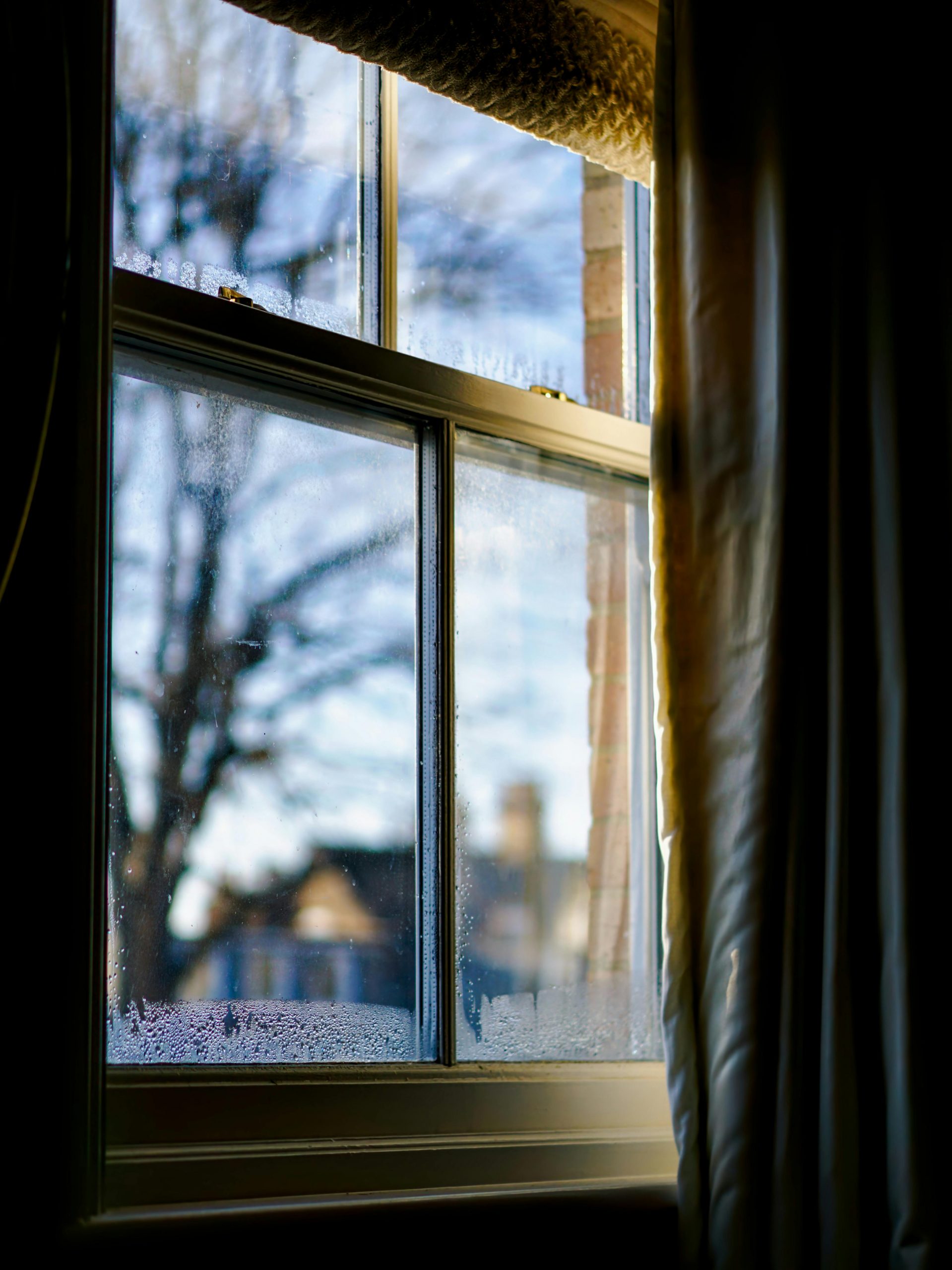
Image Credit: Pexels
Keep moisture and damp at bay
Cold homes can quickly become damp homes, especially in rooms that don’t get much sun. Poor ventilation leads to condensation, which in turn causes mould, mildew, and musty smells.
Air out your home daily, even just for 10-15 minutes during the warmest part of the day. Bathrooms and kitchens especially need airflow. Leave cupboard doors ajar and move your furniture slightly away from cold external walls to allow for circulation.
If moisture is a serious issue, invest in a dehumidifier or place moisture absorbers in problem areas.
ALSO SEE:
Here’s how to spot a leaking roof before it becomes a disaster
Feature Image: Unsplash
