
 Jade Mcgee
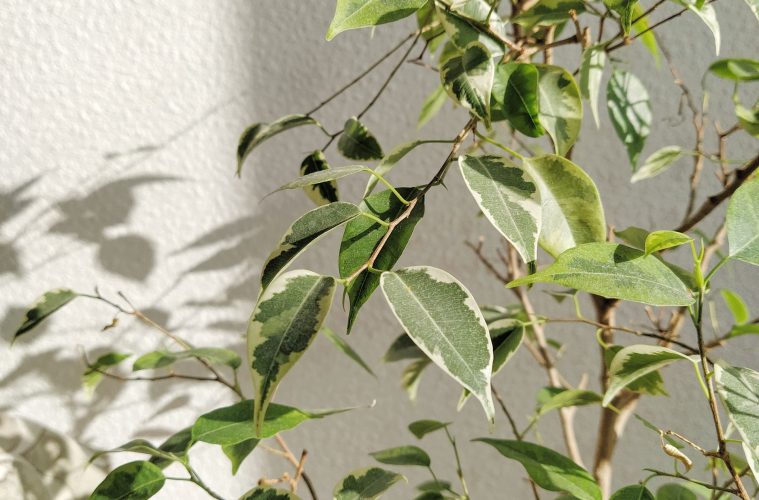
A room can feel entirely different once a tree is introduced. The gentle arch of its branches softens hard edges, while the height draws the eye upwards without taking up much floor space. Few indoor trees achieve this as elegantly as the weeping fig, or Ficus benjamina.
Unlike its large-leaved relative, the fiddle-leaf fig, the weeping fig has smaller, pointed leaves that create a full, delicate canopy. It suits a quiet reading corner as well as a more formal living room, provided the position offers the conditions it needs to settle in.
Finding the right spot for your ficus
Choose a bright room where the tree receives plenty of filtered light. A north-facing window behind a sheer curtain can work well, especially where the midday sun is intense. An east-facing window is another option if it offers gentle morning light.
Avoid positioning the tree directly beneath an air conditioner or beside a door that is frequently opened. Sudden changes in temperature and light can trigger leaf loss. Once you find a suitable position, resist the temptation to move the plant around whenever you rearrange the furniture.
Variegated varieties generally need more light than solid green ones to maintain healthy growth. If the tree begins to stretch towards a window, the space may be too dim.
Watering and feeding a weeping fig
Check the top few centimetres of potting mix before watering. When this layer feels dry, water thoroughly and allow the excess to escape through the drainage holes. Empty the saucer or decorative outer pot afterwards.
During summer, a tree in a bright, warm room may need watering more frequently than one in a cooler position. Check the soil rather than following a rigid weekly schedule. In winter, growth generally slows and less water is required.
Use a well-draining houseplant mix that retains some moisture. Feed lightly with a balanced houseplant fertiliser during active growth, following the product instructions. Avoid feeding a stressed plant until the underlying problem has been addressed.
Why ficus trees drop their leaves
A few fallen leaves are not necessarily a concern, but a sudden shower of foliage usually signals a change in the growing environment. Moving the tree, allowing its roots to dry excessively or keeping the soil continually saturated can all contribute.
Look closely at the leaves and stems for scale insects, mealybugs and spider mites. Wipe dusty leaves with a soft damp cloth so the foliage can receive light effectively. If the soil smells sour or the plant wilts despite being wet, check for damaged roots.
Keeping the shape under control
Light pruning during active growth can maintain a neat silhouette and encourage branching. Use clean, sharp secateurs and wear gloves, as the milky sap may irritate skin. Keep the plant away from pets and children who might chew the leaves.
Repot when the roots are genuinely crowded, choosing a container only slightly larger than the existing one. An established weeping fig can remain a handsome feature for years when its surroundings are consistent and its care is simple.
ALSO SEE:
Featured Image: Pexels
