
 Bianca Muller
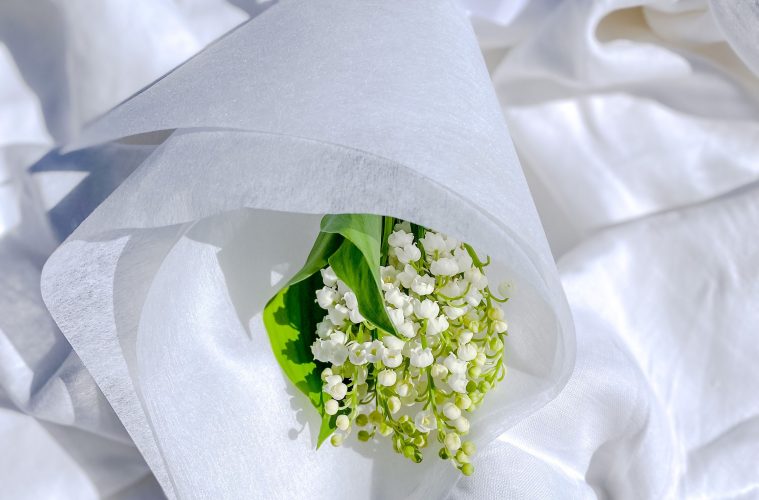
Lily of the valley is loved for its tiny, bell-shaped flowers and sweet fragrance. It is a popular choice for cottage gardens and wedding bouquets. But there’s more to this little flower than its pretty appearance.
Lily of the valley (Convallaria majalis) has a rich history and carries several symbolic meanings. It is also a useful plant for shaded gardens, provided it gets the right care.
Here’s what to know about its meaning, interesting facts and how to grow it.
What is lily of the valley?
Lily of the valley is a low-growing perennial from Europe and parts of Asia. Despite its name, it isn’t a true lily. Instead, it belongs to the asparagus family.
The plant has broad green leaves and slender stems. Each stem carries small, bell-shaped flowers that hang downwards. Most are white, although pink varieties are also available.
One of its best-known features is its sweet fragrance. The flowers may be small, but their scent is quite strong.
Lily of the valley usually grows to about 15–25cm tall. It also spreads through underground stems called rhizomes. As a result, one plant can gradually form a dense patch.
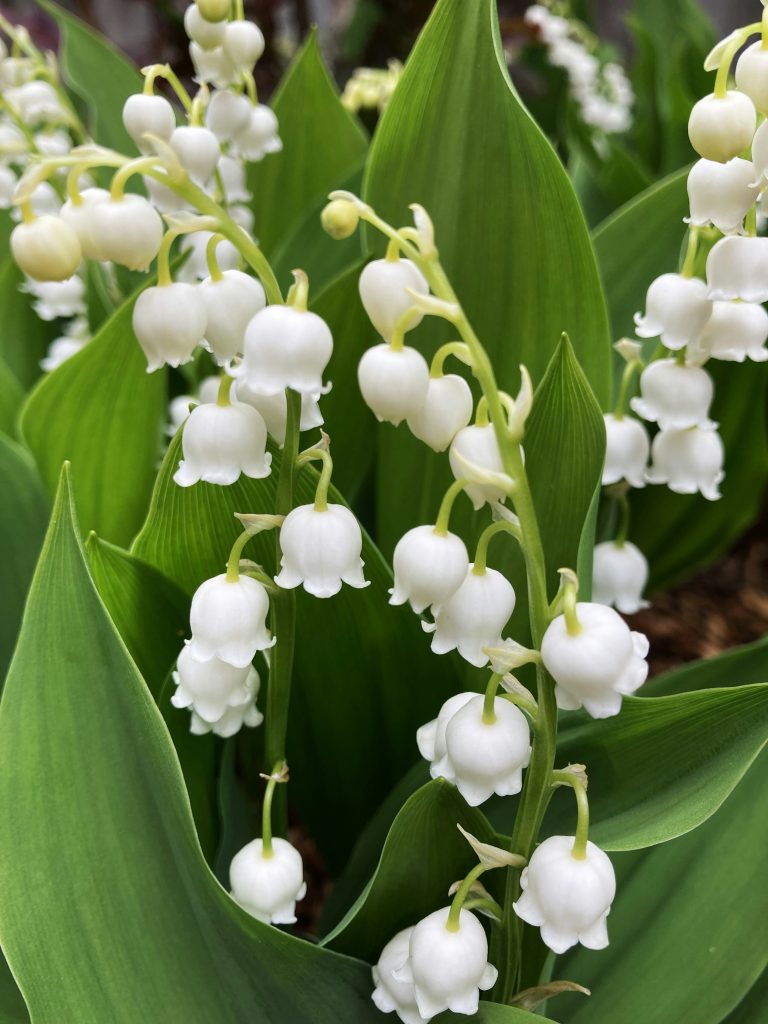
Photo: Unsplash
What does lily of the valley symbolise?
Lily of the valley has several traditional meanings. These include:
- Happiness: It is often associated with the return of happiness.
- Good fortune: In some cultures, it is given as a gift to wish someone well.
- Purity: Its small white flowers are linked to innocence and sincerity.
- New beginnings: It is often associated with spring and fresh starts.
- Love: The flower is a popular choice for weddings because of its links to devotion and lasting happiness.
Why is lily of the valley associated with happiness?
The flower has a long history in French tradition. In 1561, King Charles IX reportedly received a sprig of lily of the valley as a good-luck gift.
He liked the gesture so much that he began giving the flowers to women at court each year.
Over time, this became a French tradition known as La Fête du Muguet. It takes place on 1 May, when people exchange small bunches of lily of the valley as a sign of happiness and good fortune.
In Christian folklore, the flower is sometimes called Mary’s tears. According to legend, it grew where the Virgin Mary’s tears fell during the crucifixion.
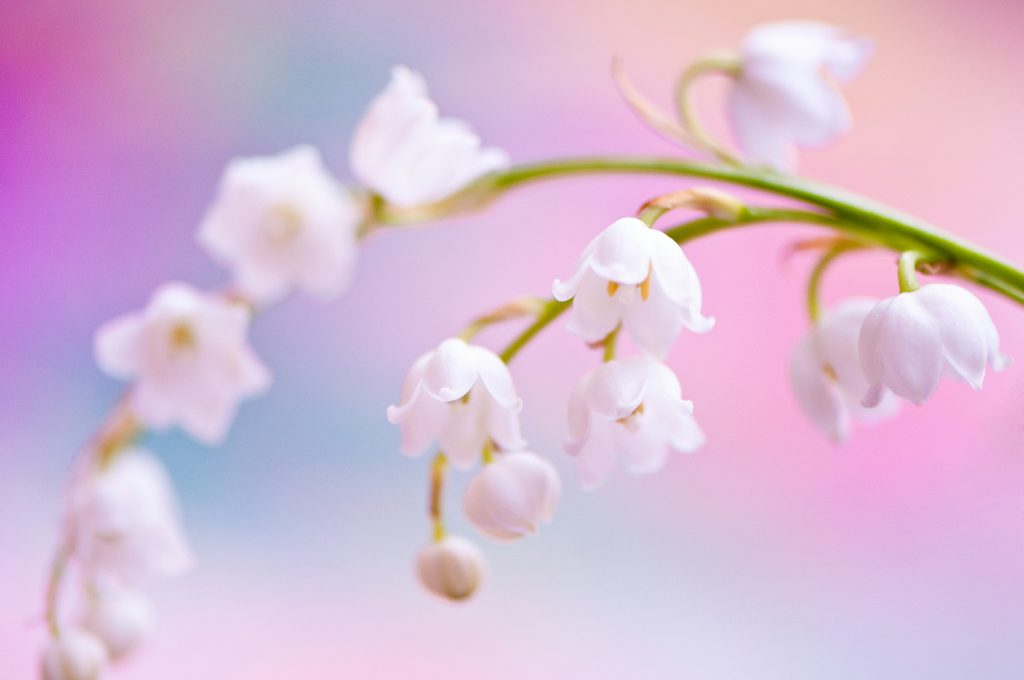
Photo: Unsplash
Why is lily of the valley popular in wedding bouquets?
Lily of the valley is a popular wedding flower because of its meaning. It represents happiness, purity and lasting love.
It has also appeared in several royal wedding bouquets. Catherine, Princess of Wales, included it in her bouquet when she married Prince William in 2011.
The flowers are small and delicate, making them ideal for simple, elegant arrangements. Their fragrance is another reason florists love using them.
Interesting facts about lily of the valley
There are a few surprising things to know about this popular flower.
- It’s Finland’s national flower: Lily of the valley was named Finland’s national flower in 1967. It is known as kielo in Finnish.
- It’s not a true lily: Despite its name, it belongs to the asparagus family.
- It spreads through rhizomes: These underground stems produce new shoots. This allows the plant to form large patches.
- It produces red berries: Small red berries appear after flowering. However, they are poisonous.
- It’s used in perfumery: Its sweet fragrance has inspired many perfumes. However, the scent is usually recreated using other fragrance ingredients.
How to grow and care for lily of the valley
Lily of the valley is fairly easy to grow once established. However, it needs the right conditions to thrive.
Here are a few simple care tips:
1. Choose a shady spot
Lily of the valley grows best in partial or full shade. In nature, it often grows beneath trees and shrubs.
Choose a sheltered spot in your garden. Avoid areas with strong afternoon sun, as this can dry out the leaves.
2. Prepare the soil
This plant prefers rich, moist soil that drains well.
Before planting, mix compost or well-rotted organic matter into the soil. This helps improve soil structure and provides nutrients.
3. Water regularly
Lily of the valley likes consistently moist soil. Water it when the top layer of soil starts to dry out.
However, avoid overwatering. Soil that stays waterlogged can damage the roots.
Adding mulch around the plant can also help keep the soil moist.
4. Plant and propagate
Lily of the valley is usually grown from underground rhizomes. These are often sold as dormant ‘pips’.
Plant them in autumn or early spring. Follow the nursery’s instructions for planting depth and spacing.
You can also divide established plants. Do this during the dormant season by separating healthy sections of rhizome.
5. Keep it under control
Lily of the valley spreads quickly in suitable conditions. Its underground stems can produce new plants some distance from the original clump.
This makes it a useful ground cover for shaded areas. However, it can also crowd out nearby plants.
Grow it in a container or use a root barrier if you want to limit its spread.
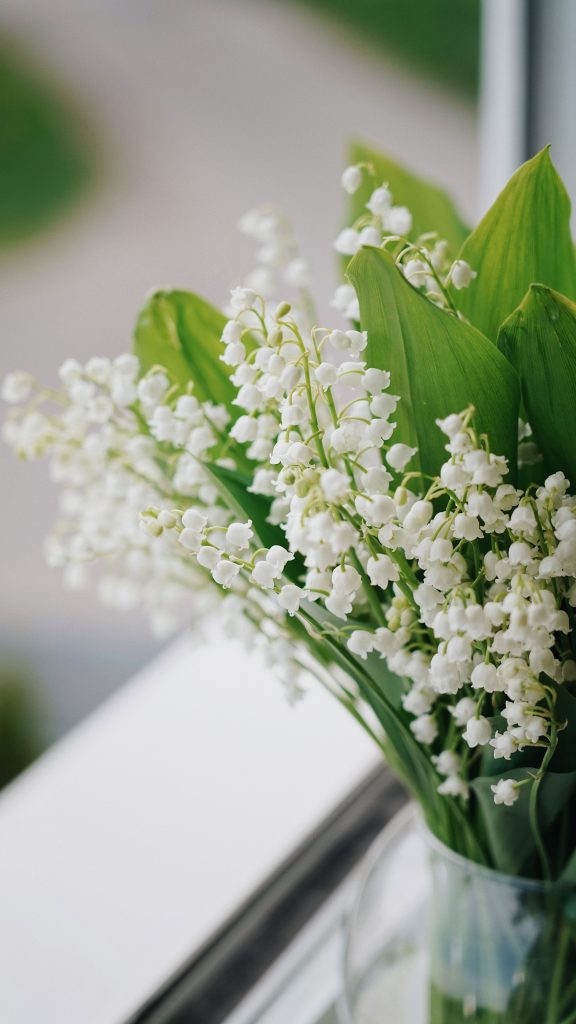
Photo: Unsplash
Can you grow lily of the valley in South Africa?
Lily of the valley prefers cool winters and mild summers. This means it may be challenging to grow in some parts of South Africa.
It is better suited to cooler regions and sheltered gardens. In warmer areas, the plant may struggle with high temperatures and dry conditions.
You can try growing it in a pot. Place the container in a cool, shaded spot and use rich, well-draining soil. Keep the soil moist, but never waterlogged.
Before buying a plant, ask a specialist nursery if it is suitable for your local climate.
Is lily of the valley poisonous?
Yes. Lily of the valley is poisonous to people and animals.
All parts of the plant are toxic. This includes the leaves, flowers, stems, roots and red berries.
The plant contains compounds called cardiac glycosides. These can affect heart function if eaten. Symptoms may include nausea, vomiting, stomach pain and serious heart rhythm problems.
If you have pets or young children, take extra care when growing this plant. Keep it out of reach and avoid placing cut flowers where animals can access them.
If someone or a pet eats any part of the plant, seek immediate medical or veterinary advice.
Is lily of the valley worth growing?
Lily of the valley is a lovely choice for a cool, shaded garden. Its fragrant flowers, attractive leaves and rich history make it an interesting addition to cottage-style spaces.
However, it does need suitable growing conditions. Its spreading habit and poisonous nature are also worth considering before planting.
If your garden has the right conditions, this little perennial can return year after year.
ALSO SEE: What’s flowering: Snapdragons
Feature image: Pexels
