
 Jade Mcgee
Few kitchen-garden rewards are as immediate as picking a handful of crisp green beans for supper. They grow quickly, need relatively little space and are approachable even for a first-time vegetable gardener. With warm soil and regular picking, one small patch can keep producing through the growing season. The first decision is whether you want a compact bush variety or a climbing bean that makes the most of vertical space.
Choose bush or climbing beans
Bush beans form low, compact plants and often mature over a fairly short window. They are useful in containers, raised beds and small plots. Climbing beans need a sturdy trellis or poles but can produce over a longer period. Select varieties suitable for your area and read local seed-packet guidance. Both types need open air, sunshine and enough room for leaves to dry after rain.
Sow when the soil has warmed
Beans dislike frost and cold, wet soil. In many areas, spring and early summer are convenient sowing periods once the danger of frost has passed; milder regions may have additional planting windows. Aim for soil temperatures around 18°C or warmer. Sow directly into prepared ground about 2–3 cm deep. Space bush beans approximately 10 cm apart, leaving around 40–50 cm between rows, and give climbing beans enough room around their supports. A few smaller sowings every fortnight can help spread the harvest.
Plant in sun and free-draining soil
Choose a position receiving at least six hours of direct sunlight. Improve heavy soil with mature compost and avoid waterlogged patches. Beans do not need generous nitrogen feeding: too much can encourage leafy growth at the expense of pods. Add support before sowing climbing varieties, taking care that a tall trellis does not shade neighbouring vegetables. On exposed sites, secure poles firmly against summer storms.
Water consistently during flowering
Young seedlings need evenly moist soil to establish, while flowering and developing pods are especially sensitive to dry spells. Water deeply at soil level and allow the surface to dry slightly between sessions. Mulch once seedlings are established to reduce evaporation and suppress weeds. Avoid wetting leaves late in the day, as prolonged dampness can encourage fungal diseases. Inspect for aphids and signs of rust, and remove badly affected growth promptly.
Pick tender pods frequently
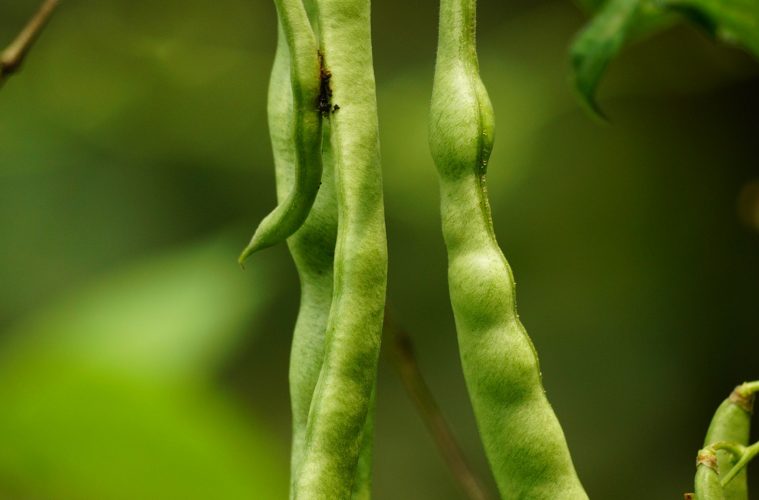
Harvest beans while pods are crisp and still tender, before large seeds bulge inside. Hold the stem with one hand to avoid breaking shoots as you pick. Checking plants every few days encourages you to catch beans at their best and can prolong production. If a heatwave causes flowers to drop, maintain consistent watering
