
 Chumasande Matiwane
Spring is one of the most exciting seasons for gardeners. As temperatures rise and daylight hours increase, plants wake from their winter dormancy, and gardens burst back into life.
But you don’t need to buy a whole collection of new plants to enjoy a fuller, more colourful garden. Propagation is an easy and rewarding way to create new plants from ones you already have.
By starting propagation at the right time, you can have healthy young plants ready to grow strongly when spring arrives.
Plants to propagate before spring
Herbs
Many common herbs are excellent candidates for propagation. Herbs such as mint, rosemary, thyme, oregano and sage can often be grown from cuttings. Take healthy, non-flowering stems and remove the lower leaves.
Place your cuttings in water or a light, well-draining growing medium. Keep them somewhere warm with bright, indirect light while roots develop. Herb cuttings can give you a head start on a productive kitchen garden when spring arrives.

Image Credit: Pexels
Geraniums
Geraniums are easy to propagate from stem cuttings. All you need to do is choose a healthy stem, cut just below a leaf joint, and remove the lower leaves.
Allow the cut end to dry briefly before placing it into a well-draining propagation mix. Keep the cutting lightly moist rather than wet. Once a strong root system has formed, it can be potted up and gradually acclimatised to outdoor conditions.
Lavender
These plants can be propagated from semi-ripe or softwood cuttings. Select healthy, non-flowering shoots and remove the leaves from the lower portion of the stem.
Because lavender dislikes constantly wet soil, use a free-draining mix and avoid overwatering. Successfully rooted cuttings will give you young plants ready to establish themselves during the growing season.
Pothos and other houseplants
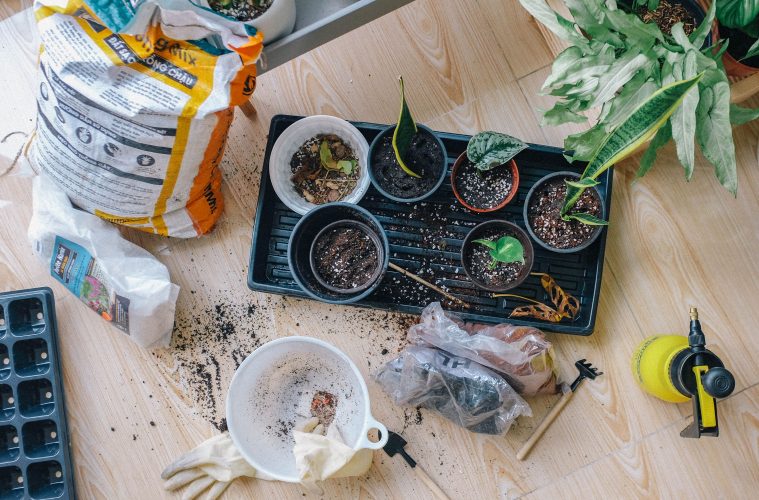
Don’t overlook your indoor plants. Houseplants such as pothos, philodendron, snake plants or spider plants can all be propagated relatively easily.
For many trailing houseplants, simply take a stem cutting containing one or more nodes and place it in water. Once roots have developed, transfer the cutting into a potting mix.
These plants can be propagated indoors year-round, giving you plenty of opportunities to create new plants before the outdoor gardening season begins.

Image Credit: Pexels
There is something particularly satisfying about watching a tiny cutting develop roots and eventually become a mature plant. Propagation saves money, reduces waste and allows you to preserve plants that have special meaning in your garden.
ALSO SEE:
Feature Image: Pexels
