
 Bianca Muller
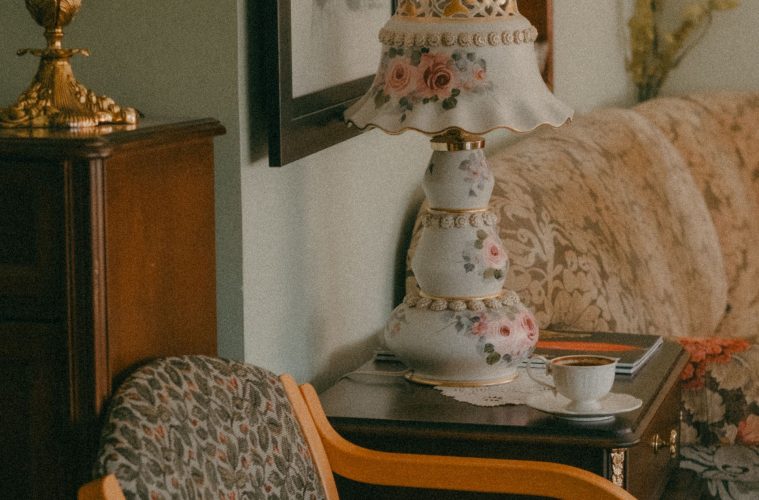
There is something wonderfully comforting about a grandmother’s home. Perhaps it is the floral curtains, the crocheted blanket draped over the armchair, a cabinet filled with mismatched teacups or the slightly worn wooden furniture that has been around for as long as anyone can remember. Whatever the details, these spaces often feel warm, personal and lived-in – and that feeling is at the heart of grandmacore decor.
Also referred to as granny chic, grandmillennial style or, more broadly, nostalgia-inspired decorating, grandmacore takes cues from the traditional interiors associated with previous generations and gives them a more contemporary interpretation. Vintage furniture, florals, embroidered textiles, ceramics, antiques, layered patterns and sentimental objects all have a place, but there is no rigid checklist to follow. In fact, one of the most appealing things about grandmacore is that it is less about creating a picture-perfect room and more about creating a home that feels like you.
The aesthetic has grown alongside a wider interest in vintage and traditional interiors, particularly as homeowners have started looking for alternatives to the pared-back neutral spaces that dominated interiors for years. Rather than buying everything new and making sure every item matches, grandmacore encourages us to keep the things we love, hunt for treasures second-hand and give meaningful objects pride of place.
What is grandmacore decor?
Grandmacore is essentially a celebration of the cosy, nostalgic and slightly eclectic qualities often associated with a traditional grandmother’s home. It can include floral wallpaper, antique furniture, lace, embroidery, crochet, vintage crockery, decorative lampshades, framed artwork and collections of objects, but the style is not dependent on any one of these things.
Instead, it is about layering old and new to create a home with character. An antique wooden dresser might sit beneath a modern artwork, while a contemporary sofa could be softened with an embroidered cushion and an old-fashioned quilt. A collection of vintage plates can be displayed in a modern kitchen, or a floral armchair can become the unexpected focal point in an otherwise simple living room.
This is also why grandmacore should not be confused with simply filling a room with antiques. The best examples feel personal rather than staged. A slightly battered side table inherited from a family member, a collection of teacups found at charity shops or photographs in mismatched frames can all contribute more to the look than a room full of brand-new vintage-style accessories.
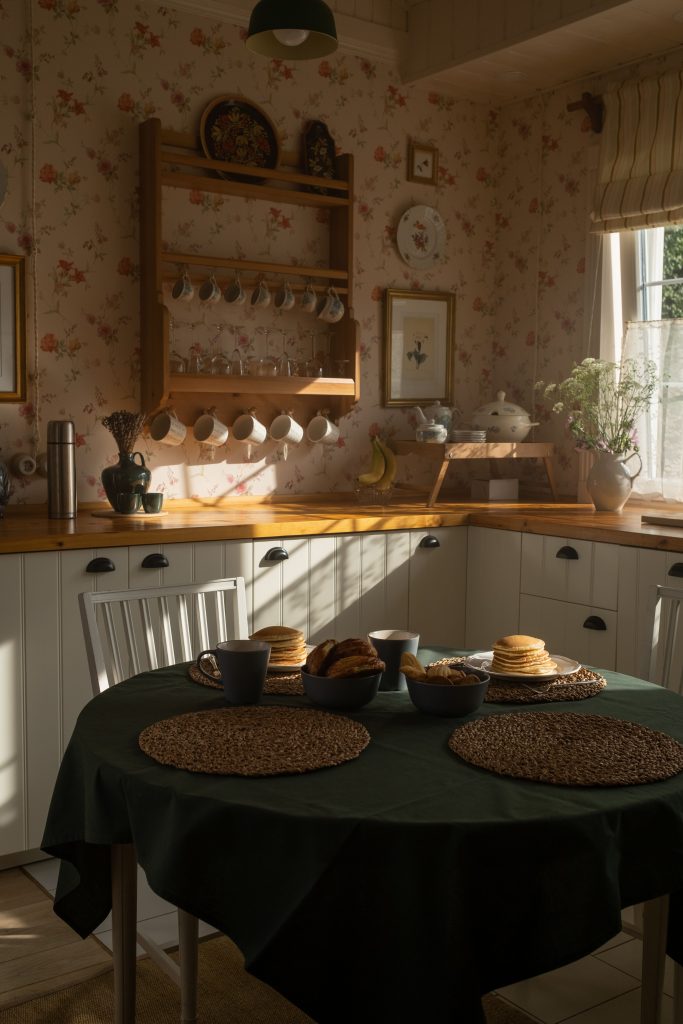
Photo: Pexels
Why is grandmacore having a moment?
Part of the appeal is the growing desire for homes to feel more individual and less like they have been lifted directly from a furniture catalogue. After years of minimalist interiors, neutral colour schemes and an emphasis on decluttering, there has been a noticeable return to pattern, colour, traditional furniture and decorative objects.
There is also something practical about the trend. Instead of replacing perfectly usable furniture because it no longer fits a particular aesthetic, grandmacore gives old pieces another chance. A dated wooden cabinet might need little more than a new home, while an old chair could become useful again with a carefully chosen fabric.
Start with vintage furniture
Furniture with a little history is one of the easiest ways to bring grandmacore into your home. Look for wooden dressers, display cabinets, writing desks, side tables, dining chairs and bedside tables, particularly pieces with interesting shapes or traditional detailing.
You do not need a house filled with antiques. In fact, one well-chosen vintage piece can have more impact than a room packed with random old furniture. An antique dresser in a bedroom, for example, can provide warmth and character while the rest of the room remains relatively contemporary.
When shopping second-hand, look beyond the finish. Scratches, faded timber and small signs of wear can add to the charm of the piece. If something is structurally sound but looks tired, it may be possible to clean it, repair it or give it a new finish rather than replacing it.
And remember that furniture should still be useful. Use an old cabinet to store linen, turn a vintage desk into a work-from-home station or use a dresser to display your favourite crockery. Grandmacore looks most convincing when beautiful things are also part of everyday life.
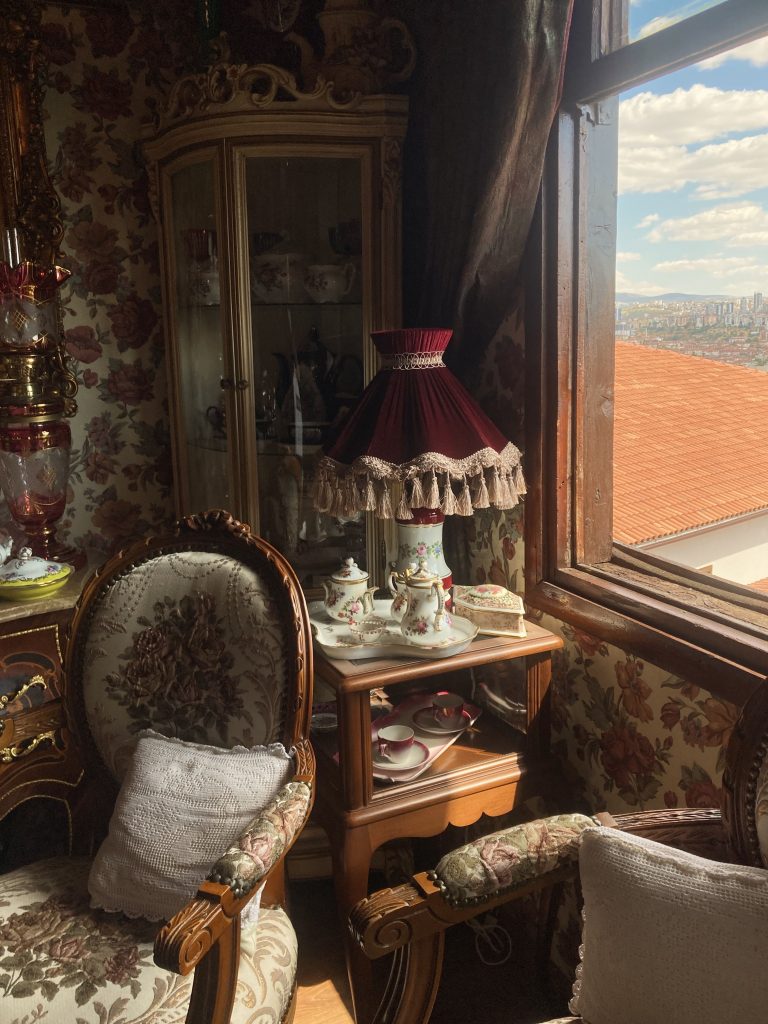
Photo: Pexels
You can’t go wrong with florals
Floral patterns have long been associated with traditional interiors, so it is hardly surprising that they feature heavily in grandmacore. From tiny ditsy prints to larger botanical designs, flowers can be introduced through wallpaper, curtains, upholstery, cushions and bedding.
If you are new to the look, start with one floral element. A patterned armchair or a pair of cushions is enough to bring some nostalgia into a room without completely changing it. For a bigger statement, floral wallpaper can transform a bedroom, entrance hall or small bathroom.
The trick is to balance the pattern with quieter elements. If your curtains are covered in flowers, you do not necessarily need floral cushions, wallpaper and upholstery as well. Pairing a busy print with plain fabrics, natural wood or simple furniture gives the eye somewhere to rest.
For a more modern take, look for florals in unexpected colour combinations or designs with a slightly faded, painterly quality. The result can feel nostalgic without looking as though you have stepped into a time capsule.
Layer in soft, handmade textures
Grandmacore is a tactile style, so this is the perfect excuse to bring out the crochet blanket you have been keeping in a cupboard. Knitted throws, embroidered cushions, quilts, lace-edged textiles, needlepoint and woven fabrics all contribute to the cosy quality of the look.
Handmade pieces are particularly fitting because they introduce the sense of time and care that makes this style so appealing. A crocheted blanket does not need to be perfect to be beautiful, and a slightly wonky embroidered cushion can have far more personality than a perfectly uniform set.
Use these textures casually rather than arranging everything too precisely. Fold a knitted blanket over the sofa, place a quilt at the end of the bed or add an embroidered cushion to an otherwise simple chair. The idea is for the room to look comfortable enough to actually use.
Bring out the pretty crockery
If you have inherited a collection of china or have a habit of bringing home one pretty cup every time you visit a charity shop, grandmacore gives you an excellent excuse to display it.
Ceramics and tableware are a particularly easy way to introduce the aesthetic. Floral plates, old teacups, ceramic jugs, serving dishes and mismatched glasses can all become part of the decor rather than being hidden away for special occasions.
A glass-fronted cabinet or dresser is ideal for this, but open shelving works just as well. Do not worry about having a complete matching set. A few different patterns can work beautifully together when they share a similar colour palette or overall feel.
And, importantly, use them. One of the charms of grandmacore is that beautiful objects are not necessarily treated as untouchable museum pieces. Your favourite teacup can be both decorative and the cup you use for your morning tea.
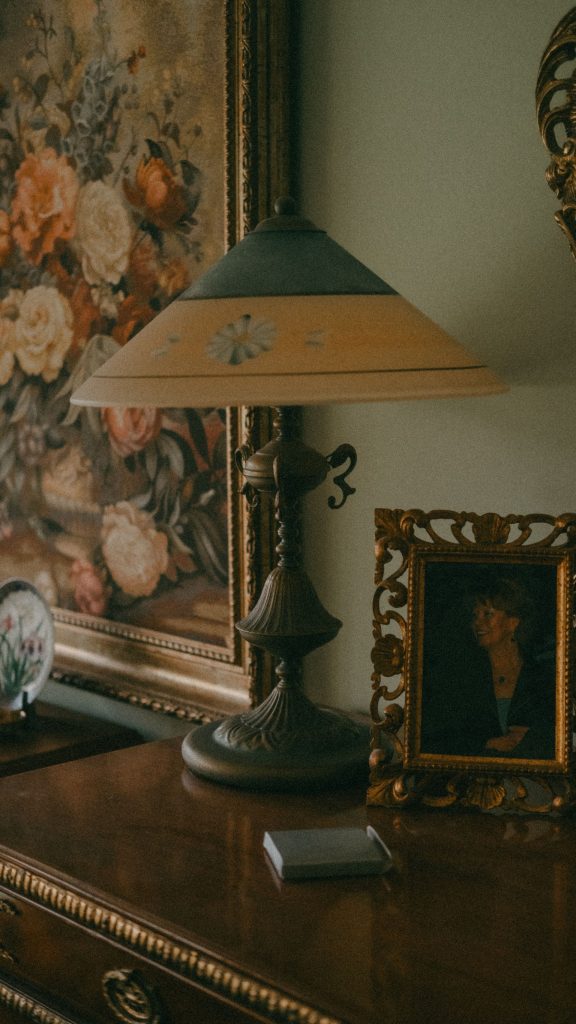
Photo: Pexels
Make room for the things that tell your story
Perhaps the most important element of grandmacore is personality. This is not a decorating style that requires you to follow a formula, which means there is plenty of room for family photographs, holiday souvenirs, flea-market finds, inherited objects, books and the slightly odd things you simply happen to love.
Try grouping collections together rather than scattering them randomly around the house. A few framed photographs can form a gallery wall, while ceramics can be displayed together on a shelf or dresser. Books can be stacked beneath a lamp or arranged by colour, subject or size.
The key is editing. Although grandmacore embraces a more-is-more approach, that does not mean every available surface needs to be covered. Leaving some empty space around collections helps individual pieces stand out and prevents the room from feeling unnecessarily cluttered.
Don’t forget the wood
Warm wood tones are an easy way to ground all the softer patterns and textiles associated with grandmacore. Look for wooden furniture with visible grain, traditional detailing or a slightly weathered finish.
You do not need every wooden item in a room to match. In fact, combining different tones can make a space feel more naturally collected. A dark wooden dresser, lighter dining chairs and an older side table can sit comfortably together when the rest of the room ties them together.
If you are buying new furniture, choose pieces with simple, timeless shapes rather than trying to make everything look artificially aged. The aim is for the room to develop character naturally rather than appearing as though it was decorated in one afternoon.
How to keep grandmacore from looking cluttered
There is a fine line between a layered, characterful room and one that simply has too much stuff. Fortunately, you do not need to choose between grandmacore and a home that still feels calm.
The simplest approach is to combine decorative pieces with quieter ones. If you have a patterned sofa, keep some of the surrounding furniture relatively simple. If the wallpaper is bold, introduce plain bedding or upholstery. A busy collection of ceramics can sit beautifully on an otherwise uncluttered shelf.
Think about breathing room. Not every wall needs artwork and not every corner needs a chair, plant or table. Allowing a few quieter areas makes the more decorative elements feel intentional rather than chaotic.
It is also worth choosing pieces because you genuinely like them rather than because they fit the aesthetic. A home filled with things you love will always feel more authentic than one filled with objects chosen simply because they look “grandmacore”.
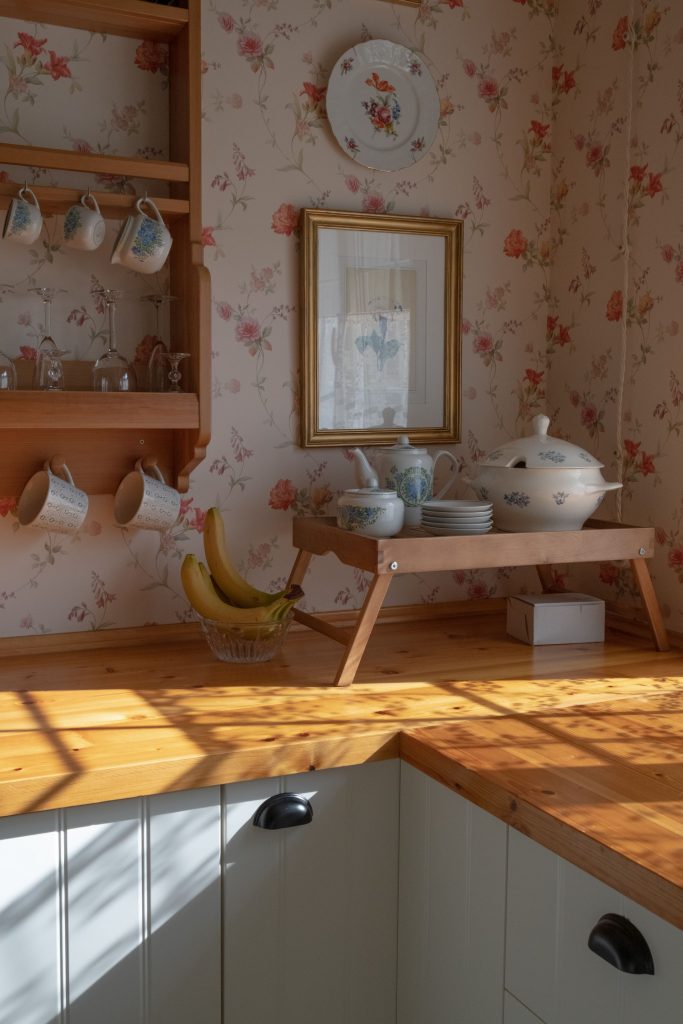
Photo: Pexels
You don’t need to live in an old house
One of the misconceptions about traditional decorating styles is that they only work in Victorian homes, cottages or large country houses. Grandmacore can work just as well in a modern apartment or compact suburban home.
In a contemporary space, traditional details can actually provide a lovely contrast. Try placing a vintage wooden cabinet against a crisp white wall, adding a floral armchair to a modern living room or displaying old crockery on simple open shelving.
If you are renting, focus on details that can move with you. Cushions, throws, lampshades, artwork, ceramics and vintage furniture can all make a noticeable difference without requiring permanent changes to the property.
Easy ways to add grandmacore style to your home
You do not need to redecorate the whole house to try the trend. Start with one or two small changes and see how they feel.
- Add a floral cushion to a plain sofa or armchair.
- Display vintage crockery on open shelving or inside a glass-fronted cabinet.
- Look for a second-hand wooden piece such as a bedside table, dresser or sideboard.
- Bring in a knitted or crocheted throw for an instant dose of texture.
- Try a fabric or pleated lampshade instead of a standard plain shade.
- Frame family photographs, botanical prints or old artwork and create a small gallery wall.
- Use a vintage tablecloth for everyday meals rather than saving it for a special occasion.
- Mix old and new furniture instead of trying to make everything match.
- Display collections together, whether that is ceramics, books, artwork or little treasures picked up on your travels.
- Introduce warm wood tones to balance floral fabrics and softer colours.
- Choose meaningful objects over generic decorative accessories.
- Leave some empty space so the room still feels comfortable and easy to live in.
ALSO SEE: Decorating a rental without damaging walls, floors or fixtures
Decorating a rental without damaging walls, floors or fixtures
Feature image: Pexels
