
 Bianca Muller
Renting doesn’t mean your home has to feel temporary. It’s only natural to want to make your space feel like your own. The challenge?, however, is personalising a rental without leaving behind chipped paint, scratched floors or damaged fixtures that could cost you part of your deposit.
Fortunately, a little planning goes a long way. These renter-friendly tips will help you decorate your home while protecting the walls, floors and fittings for when it’s time to hand back the keys.
Use removable products the right way
If you’re decorating a rental without damaging walls, removable hooks, adhesive strips and mounting putty are your best friends, but only if you use them correctly.
Always check the weight limit before hanging mirrors or artwork, and avoid sticking adhesive products to damp, freshly painted or textured walls. When it’s time to remove them, follow the manufacturer’s instructions carefully. Pulling an adhesive strip away from the wall instead of straight down can easily peel off paint.
Thinking about removable wallpaper? Test a small hidden area first. While many peel-and-stick wallpapers are designed for rentals, not every paint finish reacts the same way.
Prevent scuff marks before they happen
Scuffed walls are one of the most common signs of everyday wear, especially in apartments with narrow passages or compact living spaces.
Protect painted walls by:
- Adding felt or rubber bumper pads to the backs of dining chairs.
- Keeping office chairs and bar stools slightly away from walls.
- Taking extra care when moving furniture or luggage through doorways.
- Using removable door stops or wall protectors to stop door handles from leaving dents.
If you notice a fresh scuff mark, try removing it gently with a damp microfibre cloth before reaching for stronger cleaning products. Magic erasers can be effective but should be used sparingly, as they may dull certain paint finishes.
Protect your floors from scratches
Replacing damaged flooring isn’t cheap, so prevention is always better than repair. Before moving furniture into place, stick felt pads underneath chair legs, tables, sofas and bedside cabinets. If you decide to rearrange your furniture later, lift heavy pieces or use furniture sliders rather than dragging them across the floor.
Area rugs are another easy way to protect timber, vinyl and tiled floors, particularly in high-traffic spaces like entrances, living rooms and dining areas. Choose a non-slip rug underlay that won’t leave sticky residue behind.
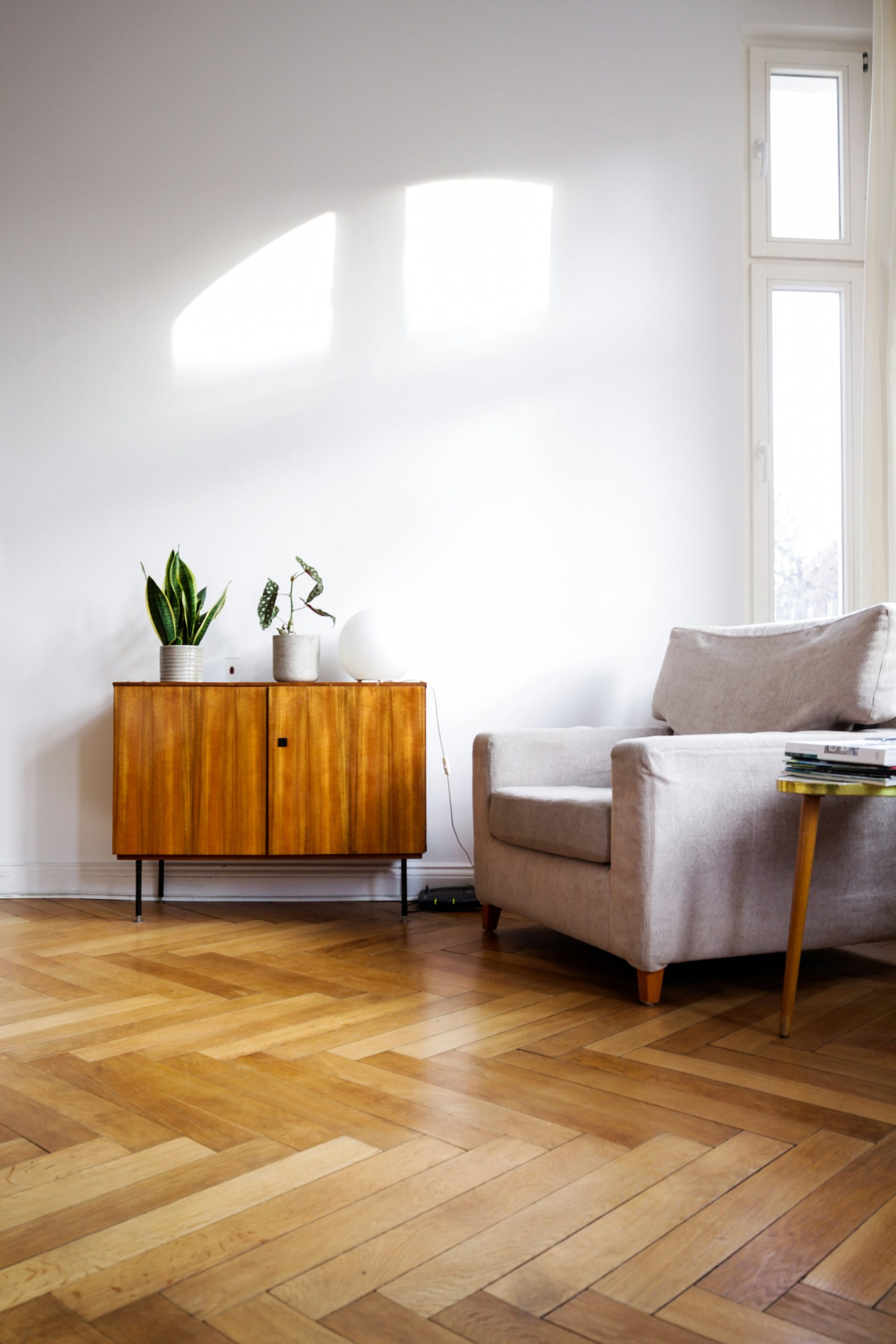
Photo: Unsplash
Keep moisture under control
Not all rental damage comes from decorating. Steam and condensation can lead to peeling paint, mould and swollen wooden finishes, particularly in kitchens and bathrooms.
Use extractor fans whenever possible, open windows after showering or cooking and avoid placing large pieces of furniture directly against exterior walls. Leaving a small gap encourages airflow and helps reduce trapped moisture.
Look after your kitchen surfaces
Always use chopping boards instead of cutting directly on worktops, and place hot pots on trivets rather than the counter itself. Wipe up spills as soon as possible, especially on laminate surfaces where standing water can cause swelling around the edges. Rubber mats underneath coffee machines, air fryers and other small appliances can also help prevent scratches caused by vibrations over time.
Protect cupboards and cabinets
Kitchen and bathroom cupboards are often overlooked until it’s time for the final inspection.
Prevent unnecessary wear by:
- Adding soft adhesive bumper pads inside cupboard doors.
- Cleaning grease off cabinet fronts regularly.
- Avoiding hanging heavy bags or cleaning equipment from cupboard handles.
- Tightening loose handles before they damage the door.
Small maintenance tasks like these can make a surprising difference over the course of a lease.
Decorate your bathroom without drilling
Need extra storage? Resist the temptation to drill into tiles. Instead, choose suction-cup shelves, over-the-door organisers or freestanding storage units.
It’s also worth drying puddles after showering and hanging damp towels properly. Wet bath mats left against cupboards or skirting boards can trap moisture and eventually cause damage.
Be careful where you place plants
Houseplants instantly make a rental feel more homely, but they can also leave behind water stains and moisture rings. Always place pots on waterproof saucers or trays, lift them when watering instead of letting excess water drain onto the floor, and wipe up spills immediately.
If you have pets, think ahead
Pets can make a house feel like home, but they can also cause accidental damage. Place scratching posts near your cat’s favourite resting spots, use waterproof mats underneath food bowls and litter trays, and wipe muddy paws before pets come inside.
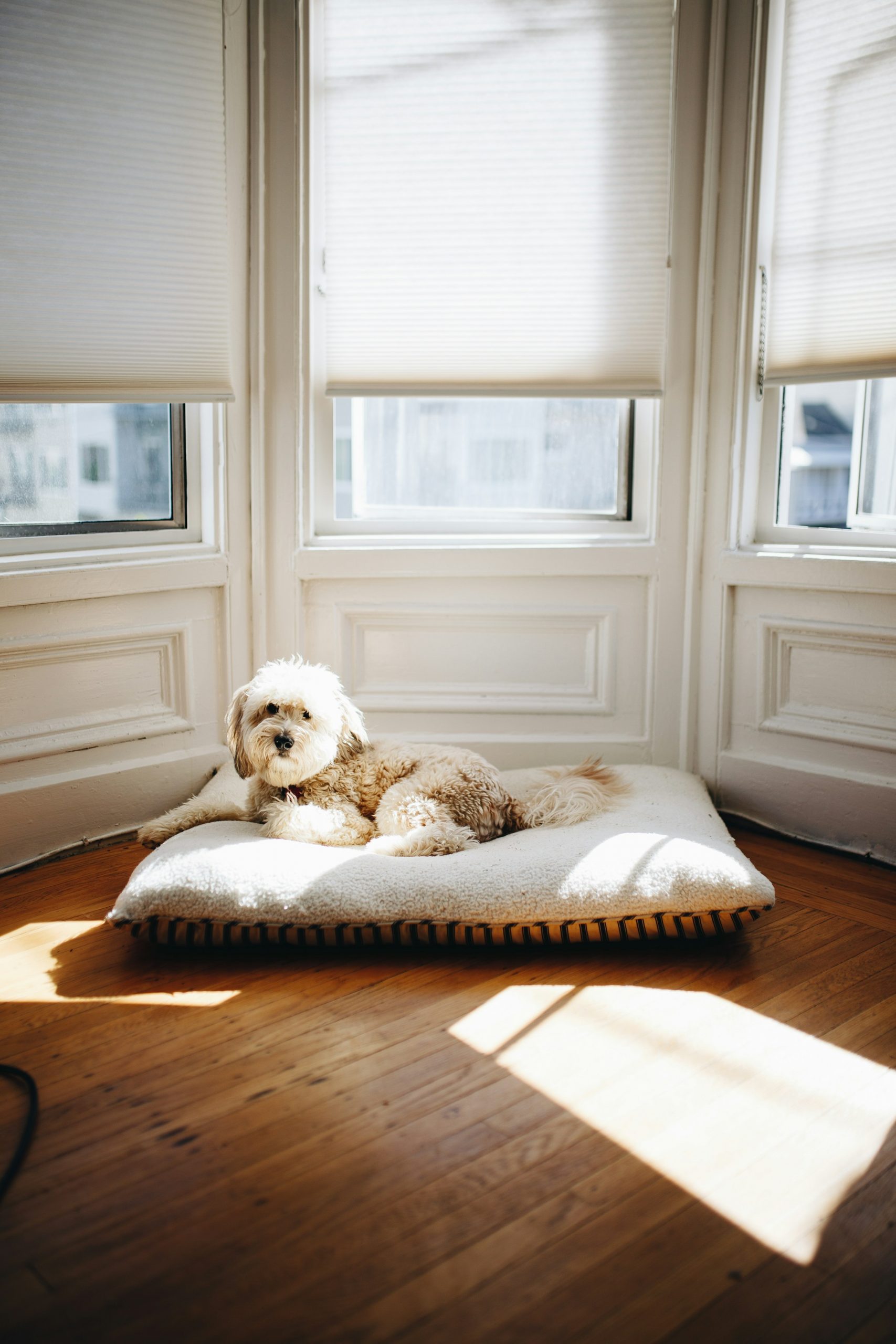
Photo: Unsplash
Photograph everything
Before you unpack, take clear photos of every room. Having a record of existing marks, scratches or chipped paint can help avoid disputes when you move out. It’s also useful to compare the property’s condition before handing back the keys.
Deal with small problems early
It’s easy to ignore a tiny chip in the paint or a loose cupboard hinge, but small issues rarely stay small. Cleaning scuffs as they appear, reporting maintenance issues promptly and fixing minor problems before they worsen can save you both time and money when your lease ends.
ALSO SEE: Tips for mixing wood tones successfully in your home
Feature image: Unsplash
