
 Bianca Muller
Not every houseplant enjoys life in a steamy bathroom or humid conservatory. In fact, many popular indoor plants prefer drier conditions and can struggle when there’s too much moisture in the air.
If you live in a low-humidity area, rely on heaters during winter, or forget to mist your plants, choosing the right greenery can make all the difference. Luckily, there are plenty of beautiful indoor plants that thrive in dry air and require very little fuss.
Here are some of the best indoor plants for low-humidity homes in South Africa.
Snake plant
Also known as mother-in-law’s tongue, the snake plant is often recommended for beginners, and for good reason. Its thick, upright leaves store water, making it highly tolerant of dry indoor air and occasional neglect.
Best for: Bedrooms, offices and low-light corners.
ZZ plant
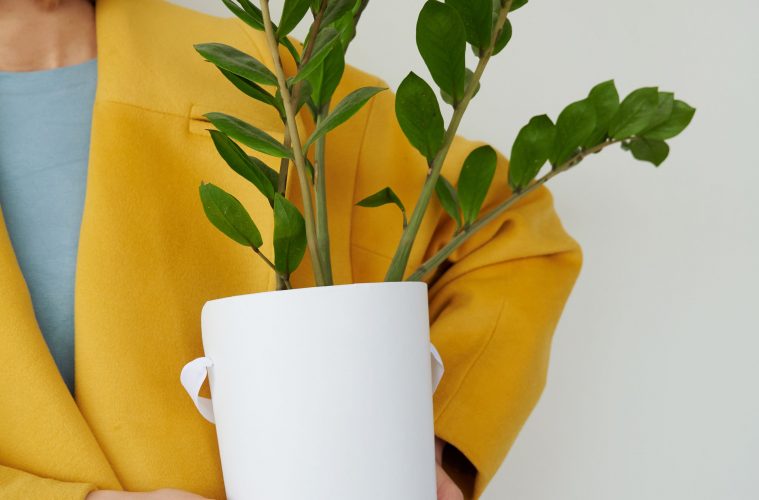
The ZZ plant has become a favourite among plant lovers thanks to its glossy leaves and impressive resilience. It stores water in underground rhizomes, allowing it to cope well with dry conditions.
Best for: Low-light rooms and busy households.
Aloe vera
Aloe vera is more than just a useful plant for minor burns and skin irritations. As a succulent, it naturally thrives in dry environments and doesn’t need frequent watering.
Best for: Sunny windowsills.
Jade plant
With its plump, fleshy leaves, the jade plant is built for drought conditions. It prefers bright light and can happily tolerate dry indoor air.
Best for: Bright living rooms and home offices.
Ponytail palm
Despite its name, the ponytail palm isn’t actually a palm. Its bulbous trunk stores water, helping it survive extended periods of dryness.
Best for: Sunny spots with plenty of indirect light.
String of pearls
This eye-catching succulent features cascading strands of bead-like leaves that retain moisture. It prefers dry air and well-draining soil.
Best for: Hanging baskets and shelves.
Burro’s tail
Another trailing succulent, burro’s tail thrives in low humidity and adds texture to indoor plant displays.
Best for: Bright rooms with minimal watering.
Rubber plant
The rubber plant is surprisingly adaptable and can tolerate average to low household humidity levels. Its large, glossy leaves make a bold statement indoors.
Best for: Living rooms and entrance halls.
Yucca
Yuccas are native to arid regions and are well suited to dry indoor conditions. Their architectural shape also makes them a favourite in modern interiors.
Best for: Bright, sunny rooms.
Crown of thorns
This flowering succulent produces colourful blooms throughout much of the year and handles dry air exceptionally well.
Best for: Sunny indoor spaces.
Cacti
From barrel cacti to bunny ears cacti, these desert natives are among the easiest plants for dry homes. They require minimal watering and virtually no humidity.
Best for: Sunny windows and compact spaces.
Haworthia
Often mistaken for miniature aloe plants, haworthias are small, attractive succulents that thrive in dry conditions and don’t require much maintenance.
Best for: Desks and small shelves.
Echeveria
Known for their beautiful rosette shapes, echeverias are another excellent choice for low-humidity homes. They come in a wide range of colours and sizes.
Best for: Bright indoor displays.
Spider plant
While spider plants appreciate moderate humidity, they are remarkably adaptable and can tolerate drier indoor conditions better than many other common houseplants.
Best for: Hanging baskets and beginner plant collections.
Cast iron plant
The name says it all. The cast iron plant is incredibly tough and tolerates low humidity, low light and occasional neglect.
Best for: Darker corners of the home.
Pothos
One of the easiest trailing houseplants to grow, pothos adapts well to most indoor environments, including homes with relatively dry air.
Best for: Shelves, hanging pots and plant walls.
Air plant
Despite their name, air plants don’t survive on air alone, but they can cope surprisingly well with lower humidity when watered correctly.
Best for: Decorative displays and terrariums.
Tips for growing indoor plants in dry air
Even plants that tolerate low humidity will appreciate a little extra care:
- Keep plants away from direct heat sources such as fireplaces and heaters.
- Water deeply but less frequently rather than giving small amounts often.
- Dust leaves regularly to help plants photosynthesise efficiently.
- Group plants together to create a slightly more humid microclimate.
- Choose pots with drainage holes to prevent overwatering.
ALSO SEE: Why mealybugs thrive indoors in winter
Feature image: Pexels
