
 Chumasande Matiwane
A rug does much more than add warmth and comfort to a room—it helps define areas, creates visual balance, and enhances the overall design. While colour, pattern, and material often get the most attention, the shape of a rug can significantly impact how a space looks and feels. Choosing the right rug shape can transform a room from ordinary to beautifully cohesive.
Why Rug Shape Matters
The shape of a rug influences the flow and functionality of a room. A well-chosen rug can make a space appear larger, highlight architectural features, and create a sense of harmony between furniture and décor. On the other hand, the wrong shape may disrupt the room’s balance or make it feel awkward.
Rectangular Rugs: The Classic Choice
Rectangular rugs are the most common and versatile option. They work well in living rooms, dining rooms, bedrooms, and hallways.
Best for:
- Standard room layouts
- Under sofas and coffee tables
- Dining tables with rectangular shapes
- Large open-plan spaces
A rectangular rug helps anchor furniture and provides a structured look that complements most interiors.
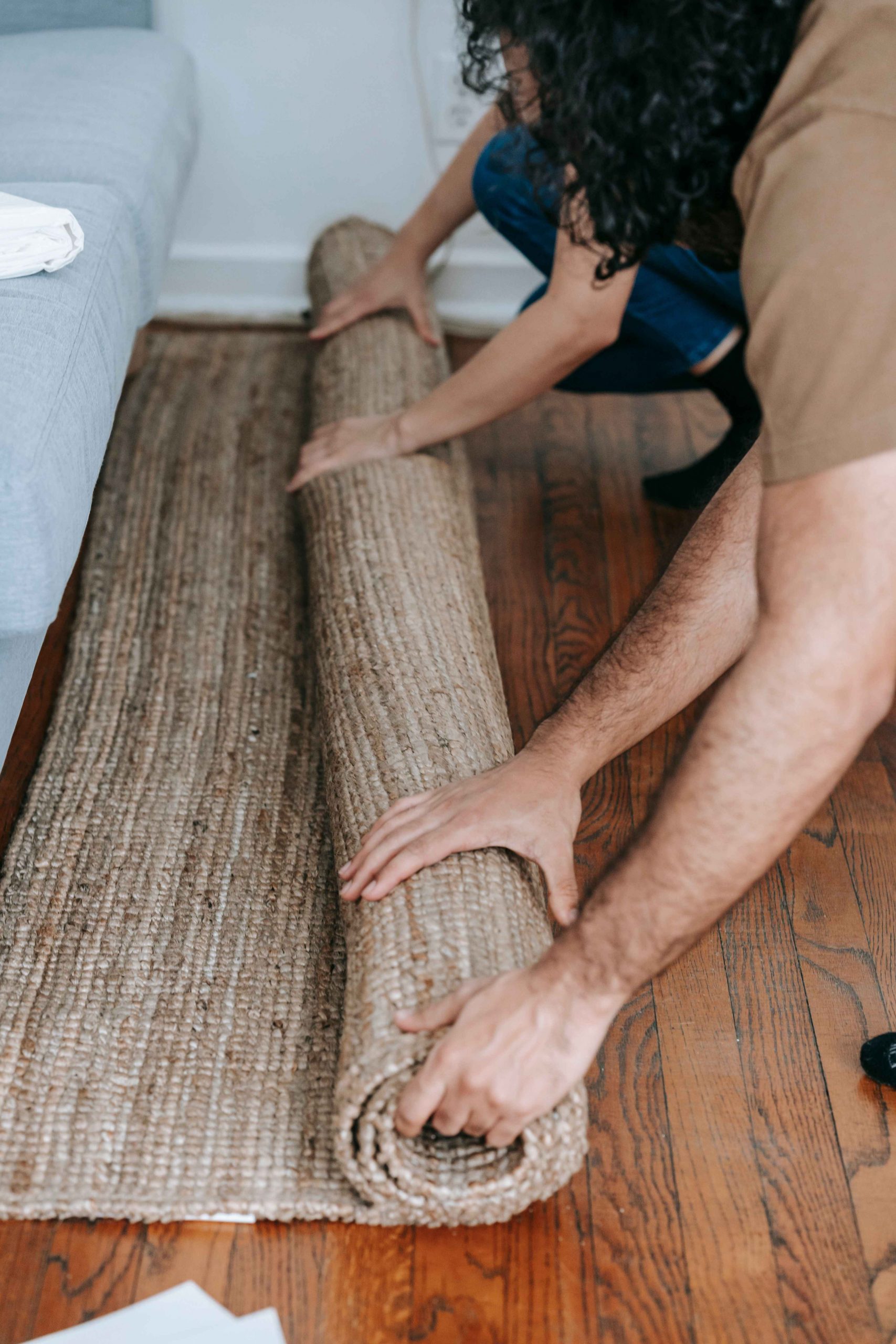
Image Credit: Pexels
Round Rugs: Softening the Space
Round rugs introduce curves into a room, helping soften spaces dominated by straight lines and angular furniture. They create a focal point and add visual interest.
Best for:
- Small seating areas
- Round dining tables
- Nurseries and children’s rooms
- Entryways
Round rugs can make compact spaces feel more inviting and are excellent for breaking up rigid layouts.
Square Rugs: Creating Symmetry
Square rugs are ideal for square rooms or spaces where symmetry is important. They provide balance and can create a polished, organised appearance.
Best for:
- Square dining tables
- Square-shaped rooms
- Symmetrical furniture arrangements
When paired with matching furniture layouts, square rugs create a harmonious and well-proportioned design.
Oval Rugs: Elegant and Unique
Oval rugs combine the softness of a round rug with the practicality of a rectangular one. They add a touch of elegance and can help elongate a room visually.
Best for:
- Dining rooms with oval tables
- Hallways
- Bedrooms
- Traditional and transitional interiors
Their gentle curves help create a more relaxed and sophisticated atmosphere.
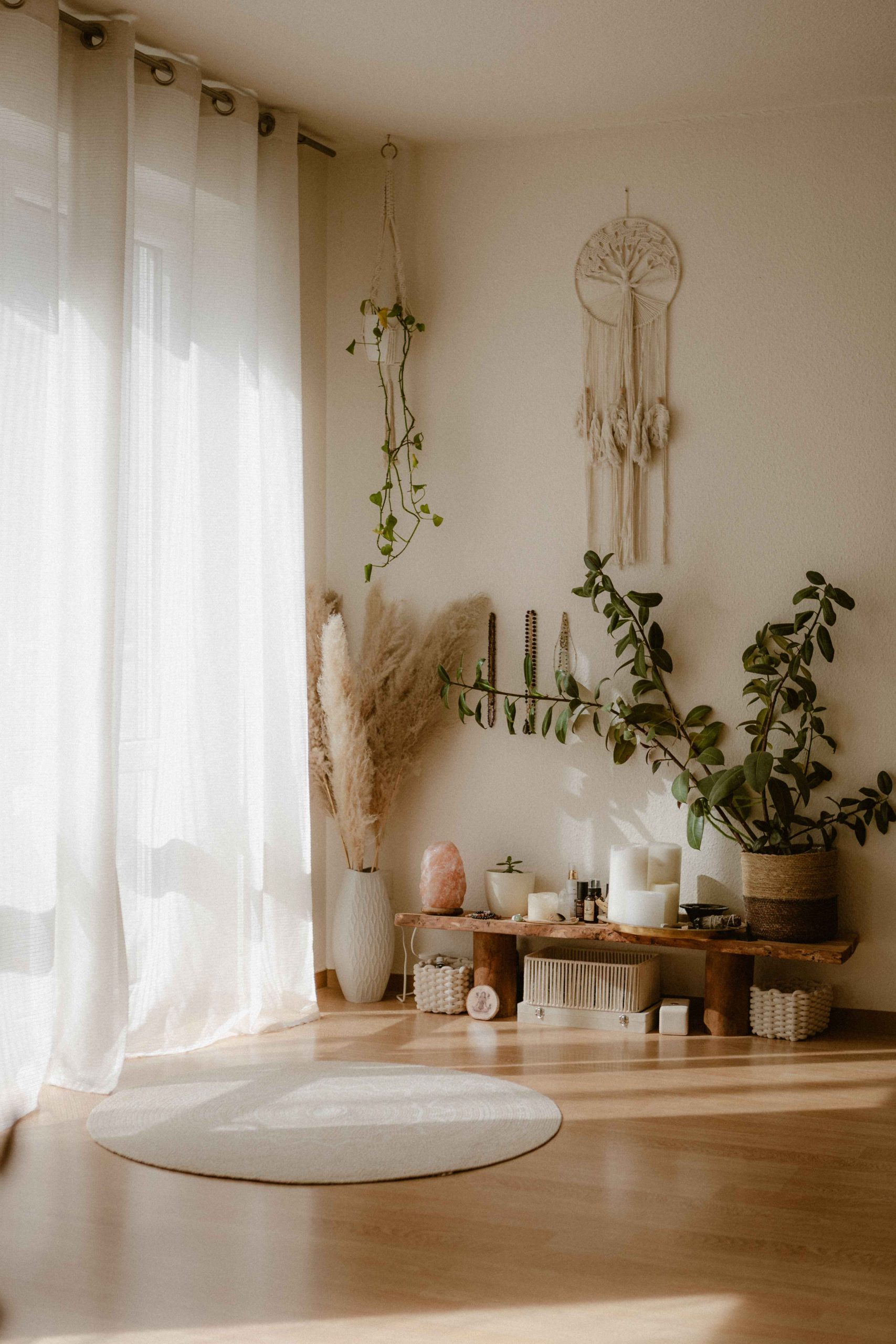
Image Credit: Pexels
Runner Rugs: Defining Pathways
Runner rugs are long and narrow, making them perfect for connecting spaces and adding comfort to high-traffic areas.
Best for:
- Hallways
- Entryways
- Kitchens
- Alongside beds
A runner can guide movement through a space while protecting the flooring and adding decorative appeal.
Matching Rug Shape to Furniture
One of the simplest ways to choose the right rug shape is to mirror the shape of your furniture.
- Rectangular dining table → Rectangular rug
- Round dining table → Round rug
- Square seating arrangement → Square rug
- Curved furniture or reading nook → Round or oval rug
Maintaining consistency between furniture and rug shapes creates visual harmony and a cohesive design.
Consider Room Function
Think about how the space is used before selecting a rug shape.
- Living rooms: Rectangular rugs generally provide the best furniture coverage.
- Dining rooms: Ensure the rug extends beyond the chairs, even when they are pulled out.
- Bedrooms: Choose a shape that frames the bed and leaves comfortable walking space around it.
- Entryways: Round or runner rugs can create an inviting first impression.
Choosing the right rug shape is about more than aesthetics—it’s about creating balance, improving functionality, and enhancing the flow of a room. By considering your room layout, furniture arrangement, and overall design goals, you can select a rug shape that complements your space beautifully and makes your home feel more comfortable and inviting.
ALSO SEE:
Feature Image: Pexels
