
 Chumasande Matiwane
If you love gardening, chances are you have a few indoor plants growing at home. While some provide year-round greenery, others can also bloom. Encouraging your houseplants to bloom more quickly can transform your indoor space with vibrant colours and delightful fragrances.
Although each species has its unique needs, several universal strategies can help stimulate flowering and bring your plants to life sooner.
Use these tips to get them to bloom faster:
Optimise light exposure
Light is the cornerstone of blooming plants. Most flowering houseplants thrive with bright, indirect sunlight. Placing your houseplants near east- or south-facing windows can help provide the light intensity they need. If natural light is insufficient, consider supplemental grow lights to mimic the sun’s spectrum, ensuring plants have the energy required for robust flower development.
Maintain proper watering practices
Consistent and appropriate watering is essential. Overwatering can lead to root rot, while under-watering stresses the plant and inhibits blooming. Allow the top inch of soil to dry between waterings for most flowering species. Using well-draining soil and pots with drainage holes helps prevent waterlogging, creating a healthy root environment conducive to flowering.
Provide balanced nutrition
Flowering demands extra nutrients, especially phosphorus, which supports bud formation. Use a fertiliser formulated for blooming plants, typically higher in phosphorus than nitrogen. Feeding your plants every 2–4 weeks during their active growing period encourages prolific blooms. Avoid excess nitrogen, which promotes leaf growth at the expense of flowers.
Prune regularly
Removing spent flowers “deadheading”,, redirects your houseplant’s energy toward producing new buds rather than seed development. Pruning leggy or overcrowded growth improves air circulation and light penetration, fostering healthier and more abundant blooms for your houseplant.
Encourage dormant rest periods
Some houseplants require a rest phase with reduced light, water, and cooler temperatures to trigger blooming cycles. Understanding your plant’s natural rhythm and providing these conditions can accelerate flowering once the active phase resumes.
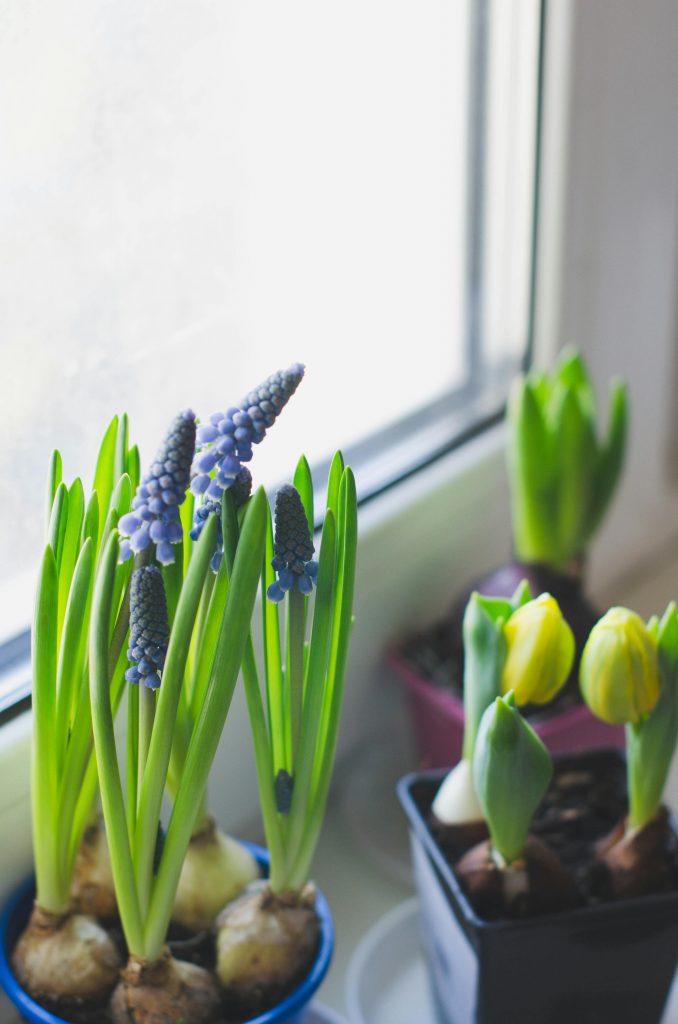
Image Credit: Pexels
ALSO SEE:
Feature Image: Pexels
