

 Maegan-Leigh Jacobs
If you love plants with personality, Monstera obliqua is the ultimate collector’s dream.
It’s rare, delicate and a little dramatic – but when it’s happy, nothing compares to those lace-like leaves. This is not a plant for the forgetful gardener. It asks for attention, patience and the right conditions from day one.
Read more: Discover 4 diverse monstera varieties to enhance your houseplant collection
What makes Monstera Obliqua so special?
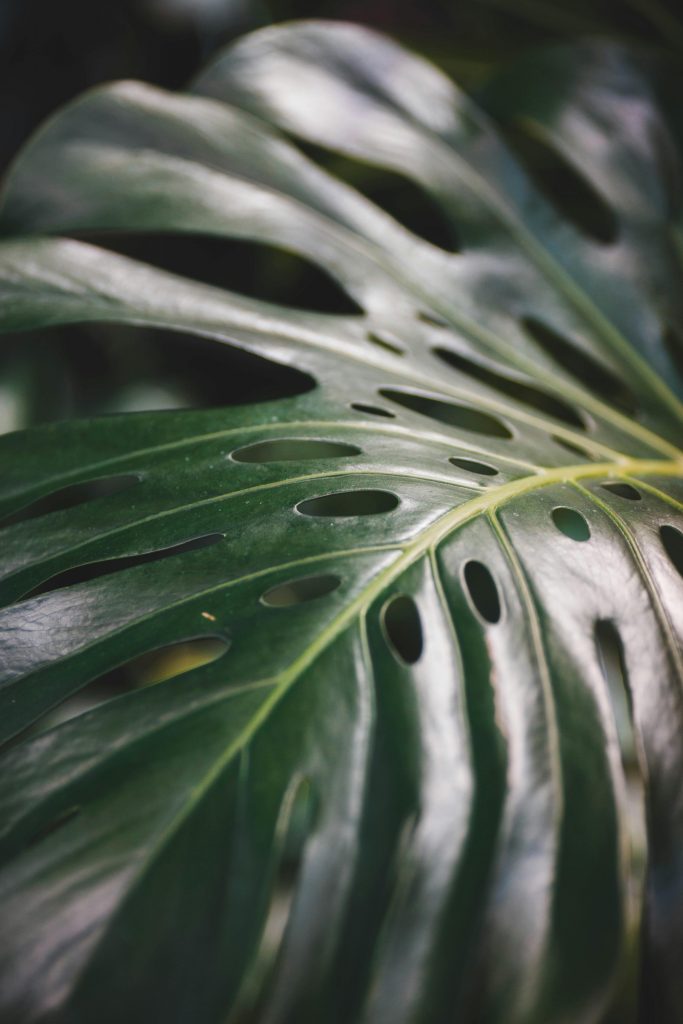
Often confused with other monsteras, obliqua stands apart for its paper-thin foliage and oversized holes that can take up most of the leaf. In the wild, it grows in warm, humid forests and clings to trees as it climbs.
Indoors, it needs a similar setup to look its best.
Light: Bright, but gentle
Think filtered sunshine. A spot near a window with sheer curtains works well. Too much direct sun will scorch the leaves, while low light leads to slow growth and fewer holes.
Soil that drains well
This plant hates wet feet. Use a loose, airy mix that allows water to move through easily. A blend made for aroids or indoor tropical plants is ideal. The roots need oxygen just as much as moisture.
Warmth
Monstera obliqua prefers consistent warmth. Keep it away from cold draughts, open doors and chilly windows in winter. A stable indoor temperature makes all the difference.
Humidity: Non-negotiable
High humidity isn’t a bonus – it’s essential. This plant thrives in moist air and struggles in dry rooms. A humidifier, grouping plants together or placing it in a cabinet-style display helps create the right environment.
Feeding
During spring and summer, a diluted liquid fertiliser every few weeks is enough. Less is more here. Pause feeding when growth slows in cooler months.
Pexels
Give it something to climb
Obliqua is a climber by nature. A moss pole or similar support encourages stronger growth and larger leaves. It also helps the plant settle after watering mistakes.
Pruning with care
Trim away yellowing or leggy stems to keep the plant neat. Always cut just above a node to encourage fresh growth. Wear gloves – its sap can irritate skin.
Easy propagation (with patience)
Propagation works best in warmer months. Take a healthy cutting with a visible node and place it in water in a bright spot. Roots take time, so don’t rush. Once they’re established, plant it into soil and let it adjust slowly.
Repot only when needed
This plant dislikes being disturbed. Repot only when roots fill the pot. Choose a container just one size bigger and skip fertiliser for a few weeks afterwards.
Common problems to watch for
Dry leaf edges usually mean the air is too dry. Yellowing or wilting can point to overwatering. Pests like spider mites tend to appear when humidity drops, so regular checks help catch issues early.
Is it worth the effort?
Monstera obliqua is not easy – but that’s part of the appeal. If you enjoy caring for plants that demand a little more love, this rare beauty will reward you with foliage that feels almost unreal.
Treat it gently, keep conditions steady, and your Monstera obliqua will quietly steal the show.
ALSO SEE: MONSTERA LEAVES TURNING BROWN? 7 CAUSES AND FIXES
Monstera leaves turning brown? Seven causes and how to fix each one
