
 Maegan-Leigh Jacobs
If you’ve ever discovered an old bag of potting soil tucked away in the shed, you’ve probably wondered whether it’s still good to use. Unlike leftovers in the fridge, potting soil doesn’t technically “expire”. But that doesn’t mean it stays in perfect condition forever.
Over time, even the best potting mix can lose its magic. Nutrients fade, structure changes, and what once helped your plants flourish might start doing the opposite. The good news? Old soil isn’t always destined for the bin.
Here’s how to tell if your potting soil is past its prime – and how to breathe life back into it.
Read more: Everything you need to know about reusing potting soil for plant health
So… does potting soil actually go bad?
Not in the traditional sense. Potting soil doesn’t rot like food, but it does break down gradually.
Many mixes contain organic ingredients like bark, coco coir or peat. These components slowly decompose, which changes the soil’s texture. As this happens, the mix can become compacted, meaning roots struggle to grow and water doesn’t move through the pot properly.
Nutrients also get used up over time, especially if the soil has already supported plants.
How long potting soil lasts
Once a bag is opened, potting soil usually stays in good condition for about a year. Unopened bags tend to last longer, sometimes up to two years if stored somewhere cool and dry.
Air exposure speeds up the breakdown of organic materials. Moisture can also invite unwanted guests such as mould, fungus or tiny insects.
Even sealed bags slowly change as the ingredients naturally degrade.
Signs your potting soil needs attention
Plants are often the first to complain when soil isn’t doing its job. But there are a few clues you can spot before that happens.
Keep an eye out for these warning signs:
- A strong, unpleasant smell similar to sulphur or rotten eggs
- Very dry, dusty soil with little dark organic matter
- Compacted texture that feels dense or heavy
- Water running straight through the pot without soaking in
- Visible pests crawling on the surface
- A pale grey or light brown colour
Healthy potting soil should smell earthy, feel slightly springy, and absorb water without turning into mud.
Pexels
Can you revive old potting soil?
In many cases, yes. Tired soil can often be refreshed with a few simple additions.
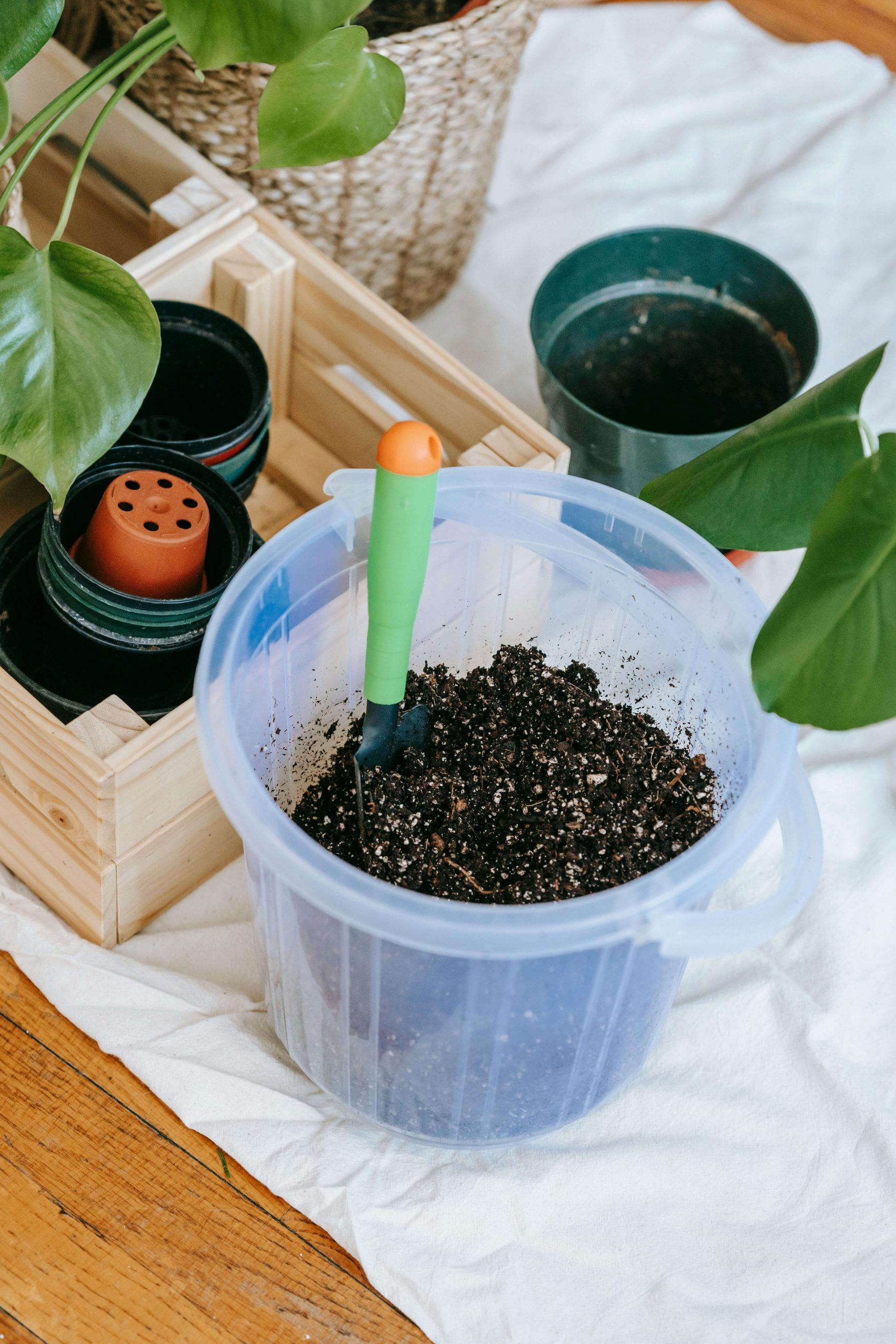
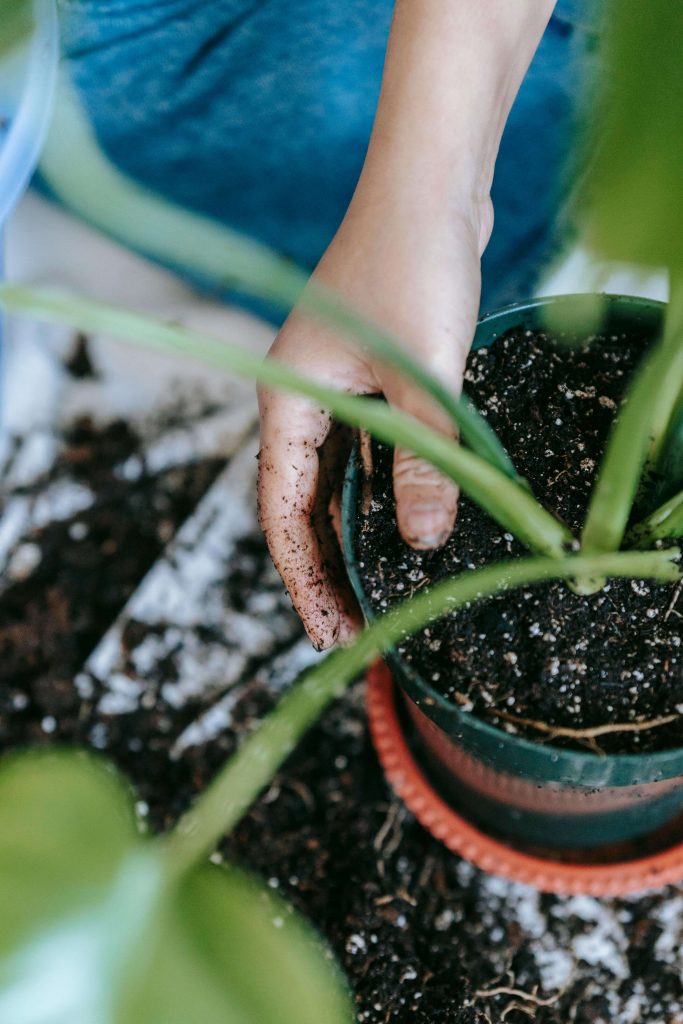
A mix of compost and a drainage booster such as perlite works well. Compost restores nutrients, while perlite improves airflow and drainage.
A handy rule of thumb is:
- 3-4 parts old soil
- 1 part compost
- 1 part perlite
Give everything a good mix and lightly moisten the blend before using it again. This quick refresh can turn lifeless potting soil into something your plants will happily grow in.
When it’s better to start fresh
Sometimes reviving soil isn’t the best option.
If a previous plant died from disease, pests took over the pot, or you notice persistent fungal growth, replacing the soil is safer. Reusing contaminated soil can pass problems straight on to your next plant.
Slow growth, darkened roots and recurring plant health issues are also signs that it may be time for a completely new mix.
Potting soil doesn’t last forever – but it doesn’t need to be tossed out the moment it looks tired either. With a little compost and improved drainage, many mixes can be brought back to life.
And next time you buy a bag, store it somewhere dry and sealed properly. Future-you (and your plants) will be very grateful.
ALSO SEE: POTTING SOIL VS POTTING MIX
Understanding the difference between potting soil and potting mix
