
 Jade Mcgee
The appeal of peel-and-stick tiles is obvious. No grout, no wet saw, no contractor quotes, no kitchen out of commission for a week. Just clean the surface, peel the backing, press into place and you’re done. But the question that follows this enthusiasm is almost always the same: do they actually hold up, and are they worth using in a permanent home?
The answer depends entirely on how you’re using them and what you’re hoping to achieve.
How the product has improved
The peel-and-stick tile of even five years ago had a justified reputation for looking cheap and failing quickly, lifting at the edges in humid bathrooms and fading under the heat of active cooking. The category has genuinely improved. Premium options now use stronger adhesives, thicker substrates and printing technology that produces realistic stone, marble and ceramic looks that require close inspection to tell apart from the real thing.
Modern peel-and-stick tiles are typically waterproof and moisture-resistant, making them suitable for kitchen backsplashes and bathroom walls under normal humidity. The main caveat remains: they’re not designed for direct water exposure, so the inside of a shower enclosure is still a risk.
Where they work well
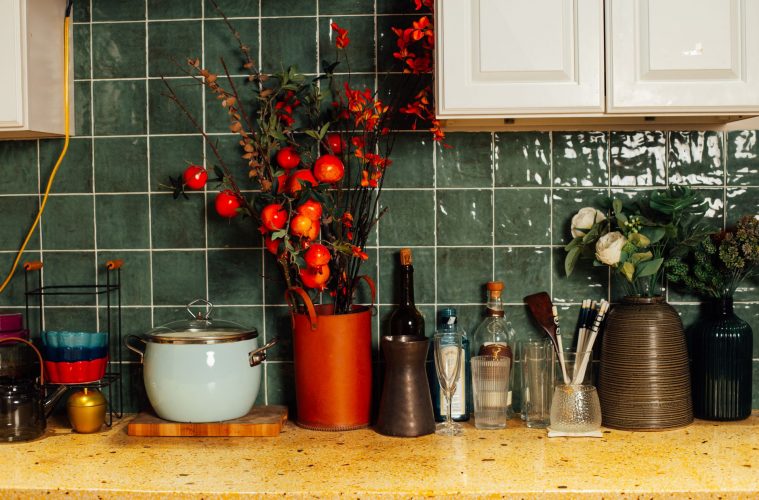
Backsplashes are the ideal application. The surface is vertical, which removes foot-traffic wear from the equation, and the conditions are predictable. For a rental property, where a permanent tile installation would either require landlord approval or need to be removed before you leave, a quality adhesive backsplash tile is a sensible and cost-effective solution.
They also work well in laundry rooms, on feature walls, and on dry bathroom walls that won’t encounter direct water. They’re a popular choice for covering dated tile that can’t be removed without damaging the wall behind it, a common situation in older South African homes where bathroom tiles have been laid directly onto the structure.
Where they fall short
Floors in high-traffic areas are harder work for adhesive tiles. The constant wear from foot traffic, particularly in entry areas, can cause edges to lift over time. In South Africa, outdoor-facing spaces and garages that aren’t consistently climate-controlled are not ideal candidates, as significant temperature swings weaken the adhesive. SA summer heat in spaces that aren’t air-conditioned can also soften the bond.
Surface preparation is strict and non-negotiable. Peel-and-stick tiles adhere properly only to clean, smooth, dry surfaces. Any texture, grease, flaking paint or residue on the wall or floor will prevent correct bonding. On textured surfaces, they simply won’t work.
The longevity question
Quality peel-and-stick tiles in suitable applications can last five to ten years with normal use. In a well-ventilated kitchen backsplash or a dry bathroom wall, this is a realistic expectation. They’re not a permanent renovation in the way that traditionally set tile is, and if adding long-term resale value to the property is the goal, real tile remains the better investment.
For renters, those who move frequently or those who want to trial a tile look before committing to a permanent installation, they remain a significantly more affordable and much lower-effort option.
The verdict
Peel-and-stick tiles are worth it when you’re clear about what they are: an affordable, flexible, temporary-to-medium-term solution that doesn’t require special tools or skills. They’re worth using in the right applications. They’re not worth using in the wrong ones, and going in with realistic expectations is what determines whether the result feels like a success or a disappointment.
ALSO SEE:
Featured Image: Pexels
