
 Maegan-Leigh Jacobs
Minimalism has long had a branding problem. On one end of the scale, it’s seen as an ultra-polished, gallery-like lifestyle reserved for glossy magazines and luxury homes. On the other, it’s mistaken for a bare, budget-driven look that feels cold or unfinished. But here at home, South African architects are quietly reshaping what minimalism really means – and why it makes so much sense for the way we live now.
According to BPAS Architects, minimalism isn’t about living with nothing or chasing a stark white aesthetic. It’s a thoughtful design philosophy rooted in function, comfort and context – something many South Africans are naturally leaning towards as homes get smaller, costs rise and sustainability becomes a daily consideration rather than a buzzword.
More intention, not less warmth
“People often assume minimalism is cheap because it looks simple,” says BPAS principal architect Landseer Collen. “But simplicity usually demands better materials and careful detailing. The opposite misconception is that it’s exclusive or elitist. In reality, minimalism is about clarity – choosing only what a space truly needs.”
Globally, minimalism is associated with pared-back interiors and neutral palettes. Locally, though, it takes on a far warmer and more tactile character. Think natural textures, earthy tones and homes that open generously to the outdoors.
“In South Africa, minimalism often embraces raw, honest materials and a strong indoor-outdoor connection,” Collen explains. “Large windows, sliding doors and courtyards are common, not for show, but because they suit our climate and lifestyle. It’s less about perfect white boxes and more about spaces that feel grounded and breathable.”
Designed for real life
This approach is evident in BPAS’s Curro Durbanville High School, where minimalism supports both form and function. The U-shaped layout creates a welcoming forecourt and adaptable spaces for learning and gathering. Materials such as off-shutter concrete, patterned brickwork and warm timber bring depth and texture without visual clutter.
“The simplicity allows the proportions and natural light to do the work,” says Collen. “It’s calm, practical and easy to maintain – which is exactly what a busy school environment needs.”
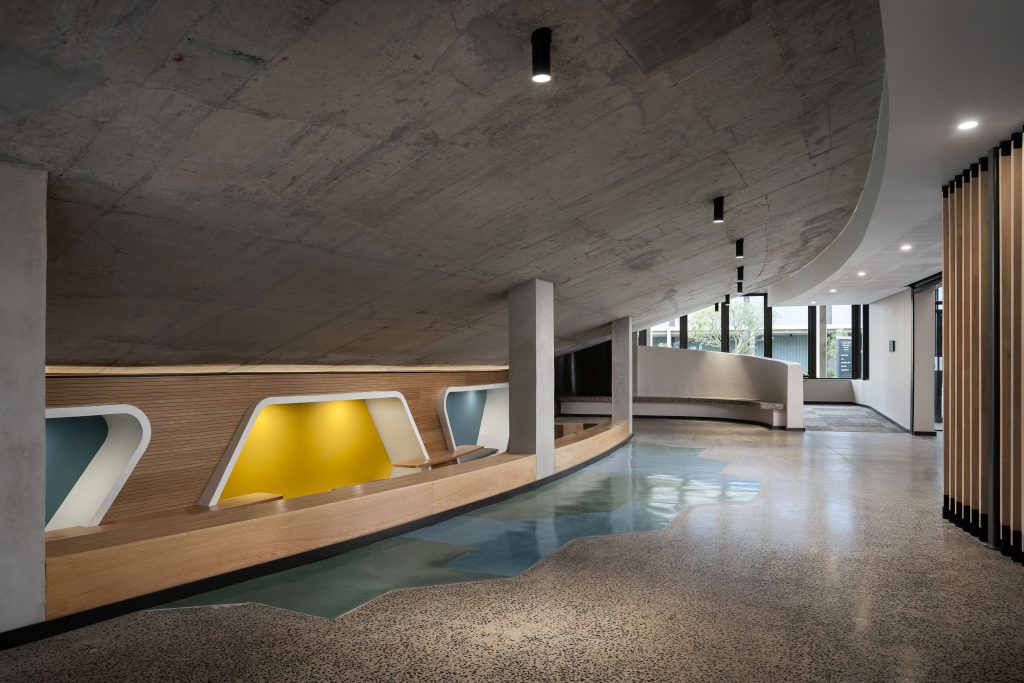
At a residential scale, the Clara Anna Fontein home in Durbanville applies the same thinking. Built around a central lawn, every room opens to the outdoors, allowing light and air to flow freely. Locally sourced materials and a restrained layout create a sense of ease rather than excess.
“In both cases, minimalism works because it lets space, light and landscape take centre stage,” Collen says. “It proves that less really can feel like more.”
A quieter kind of luxury
Minimalism may look luxurious, but not for the reasons many expect. “It doesn’t feel special because it’s filled with expensive things,” Collen explains. “It feels special because it’s uncluttered. You can breathe.”
There’s also a practical upside. Fewer materials, simpler forms and efficient use of space often mean lower long-term costs and reduced maintenance. When homes are designed with smaller footprints and local materials, they become more affordable to build and easier to live in over time.
Beyond the numbers, there’s an emotional pull too. In a world dominated by noise, screens and constant consumption, minimalist spaces offer a sense of calm. They encourage people to focus less on possessions and more on how a space makes them feel.
“Minimalism is a response to the pace of modern life,” says Collen. “It gives people a sense of order and control. It’s not really a trend – it’s a way of creating homes that support well-being.”
And perhaps that’s why minimalism, in its South African form, feels so relevant right now. It’s not about doing without. It’s about living better, with intention, warmth and a little more room to breathe.
ALSO SEE: SOUTH AFRICAN HOMES ARE EMBRACING WARMTH, TEXTURE AND PERSONALITY IN 2026
South African homes are embracing warmth, texture and personality in 2026
