
 Bianca Muller
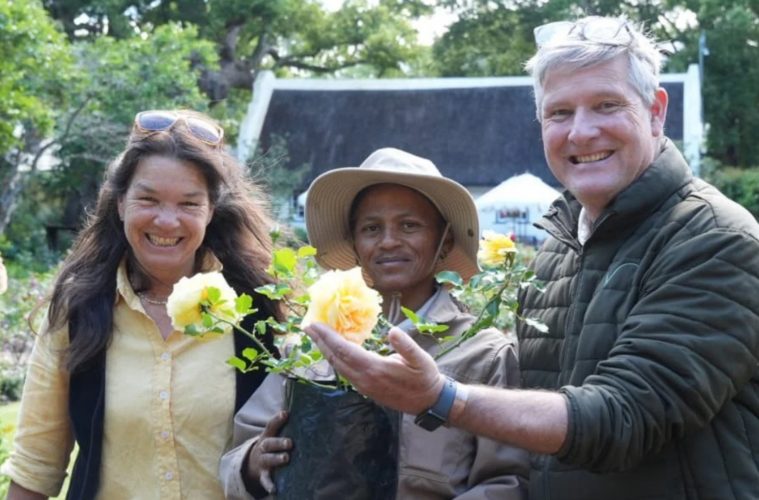
A chance mutation in a rose bush at Vergelegen Wine Estate in Somerset West has resulted in a new rose variety, featuring large, butter-yellow blooms that are now being grown in the estate’s formal rose garden.
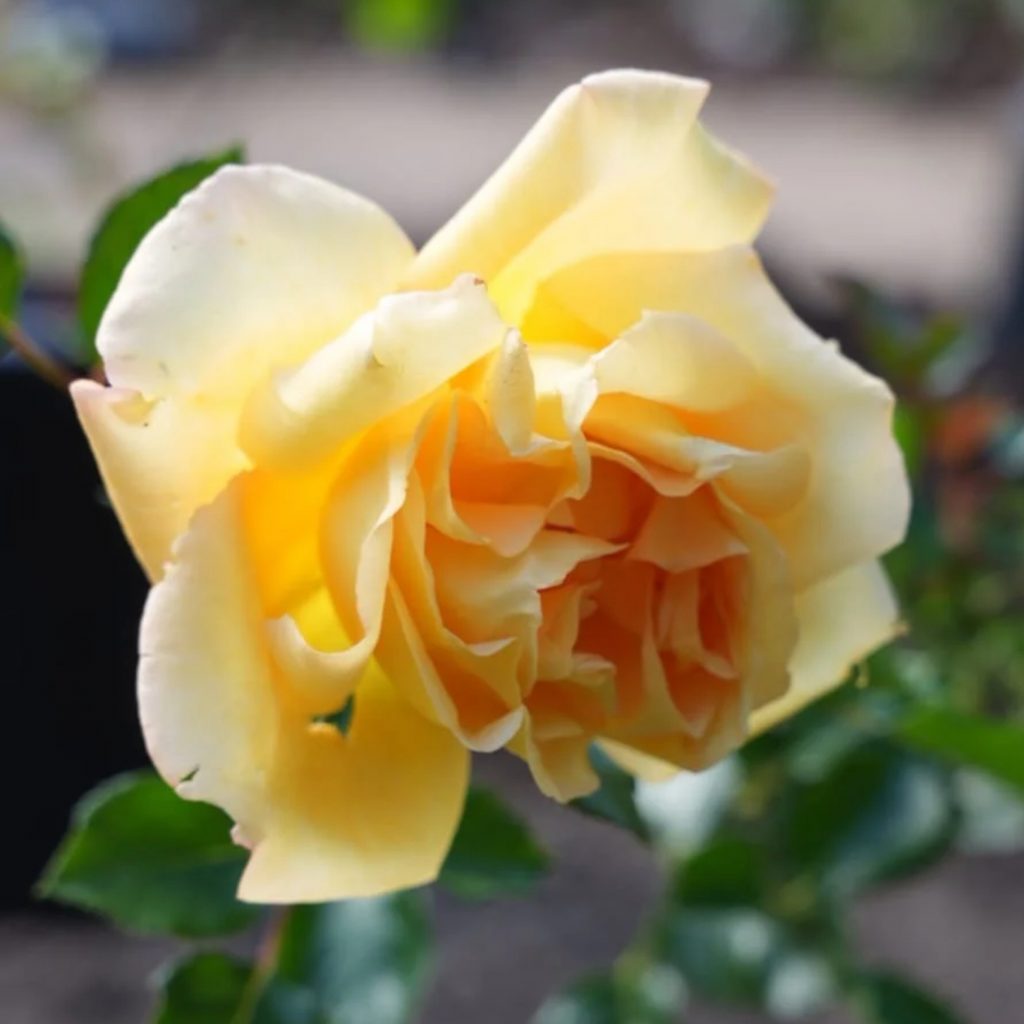
The discovery was made by the estate’s horticultural team when a single stem on an existing McHardy rose bush, known for its orange-yellow, bi-coloured flowers, unexpectedly produced blooms in a different shade. The unusual flowers retained the same full shape and petal formation as the original variety, but had a soft butter-yellow colour and a faint fragrance.
According to Ludwig Taschner, founder of Pretoria-based rose nursery Ludwig’s Roses, the new growth was an example of a spontaneous mutation. The nursery has since successfully propagated the rose, with the first batch of new bushes now planted at Vergelegen. The variety has been named the Vergelegen rose.
What makes the Vergelegen rose different?
The new rose is described as a vigorous grower that develops into a densely branched, shrub-like plant reaching approximately shoulder height. Its hardy green foliage provides a backdrop for flowering stems that produce large, densely petalled blooms.
The flowers begin as full, urn-shaped buds, with narrow petals gradually unfolding into substantial butter-yellow roses.
Taschner says the variety can be used in several ways in the garden, including as a medium-height hedge, in large containers or as a standalone feature plant.
How Vergelegen prepared its rose garden
Creating the right growing conditions was an important part of establishing the new roses. Roses generally perform best in rich, well-drained soil, with sufficient sunlight and good preparation to support healthy root development and flowering.
Vergelegen horticulturist and gardens manager Richard Arm says the team selected a sunny bed overlooking the estate’s camphor forest for the new planting. The existing roses, which had been growing there for around a decade, were removed, and nearly a metre of topsoil was replaced to give the new bushes the best possible start.
As the plants are still young, visitors can expect them to take one or two growing seasons to reach their full size and flowering potential.
How do spontaneous rose mutations happen?
A spontaneous mutation is a heritable change in a plant’s genetic material. In roses, these changes can sometimes result in a new growth habit or a flower with a different colour.
Taschner explains that colour mutations can occur when a single stem on an established rose bush produces flowers that differ from those of the original plant. Interestingly, other characteristics, such as the flower’s shape, fragrance and growth habit, can remain the same.
Once an unusual stem has been identified, it can be propagated through techniques such as budding or grafting to produce new plants with the same characteristics.
Where to see the new Vergelegen rose
Garden enthusiasts can view the new variety in Vergelegen’s formal rose garden, situated between the Rose Terrace Tea Room and the estate’s camphor forest in Somerset West.
The estate is open daily from 08:30 to 17:00, with last entry at 16:00. Entrance costs R40 for adults and R20 for pensioners and scholars. Pensioners can enter free of charge on Mondays.
Vergelegen also offers daily guided heritage and garden tours at 09:30 and 14:30. These cost R395 per person and include a wine tasting from the estate’s Heritage Range. Bookings can be made by emailing [email protected].
Those interested in growing the new variety at home can also enquire at the Potting Shed Gift Shop, which stocks selected rose varieties found on the estate. The Vergelegen rose is available in limited quantities.
For more information about the estate’s garden and heritage tours, visit the Vergelegen website.
ALSO SEE: The simple secret to healthier, more beautiful roses
