
 Jade Mcgee
The instruction appears on almost every indoor plant label: provide bright, indirect light. It sounds straightforward until you begin looking around your home. A room that seems light-filled to us may be too dim for a plant, while a sunny windowsill may deliver more heat and direct sun than delicate foliage can tolerate.
What bright indirect light really means
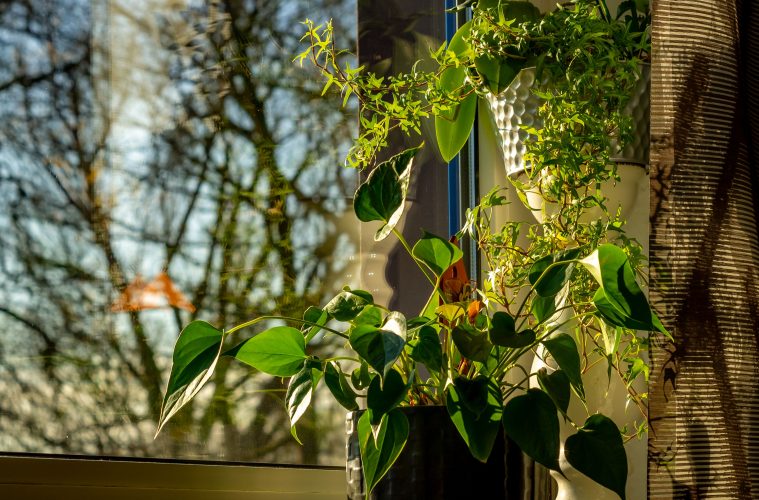
Think of a bright spot sheltered from the strongest rays, much like the light beneath a leafy tree canopy. The plant still receives generous illumination, but the sun is not striking its leaves for long periods. This is especially helpful for tropical favourites such as monsteras, philodendrons and peace lilies, which often grow beneath taller vegetation in nature.
A simple clue is the shadow test. Sharp, dark leaf shadows suggest direct sun, while a soft-edged shadow suggests filtered light. A barely visible shadow may mean the position is too dim for plants that need bright conditions.
Understand South African window directions
North-facing windows generally receive the most sun over the course of the year in the Southern Hemisphere. They can be excellent sources of light, but sensitive houseplants may need a sheer curtain or some distance from the glass, particularly during summer. South-facing rooms tend to receive less direct sunlight and may be suitable for more shade-tolerant plants, depending on window size and nearby buildings.
East-facing windows usually offer milder morning light. West-facing windows receive warmer afternoon sun, which can overheat foliage near the glass. Do not assume every window with the same compass direction behaves identically: trees, verandas, neighbouring buildings and the depth of a room all influence the actual light.
Filter strong sunlight without darkening the room
Lightweight sheer curtains diffuse harsh sun while keeping a space bright. Adjustable blinds can also redirect light upwards or across the room. Moving a plant slightly back from a sunny window sometimes reduces direct exposure, but moving it too far into the room can cause light levels to fall sharply.
Observe the leaf surfaces over several days. Bleached or crispy patches may indicate excessive sun, while stretched stems, smaller new leaves or slow growth may suggest insufficient light. Change one factor at a time so you can tell what helps.
Supplement light when needed
If a suitable window is unavailable, a dedicated full-spectrum grow light can support indoor plants. Follow the manufacturer’s guidance on distance and duration, as placing a lamp too close can damage foliage. A regular day-and-night cycle is important, so do not leave the light running constantly.
Light also shifts with the seasons. As spring advances into summer, the sun sits higher and its angle changes, potentially exposing plants to stronger midday conditions. Review placement periodically rather than assuming a comfortable winter spot will remain ideal all year. Once you learn to read the light in your own home, choosing the right position becomes much easier.
ALSO SEE:
Featured Image: Pexels
