
 Jade Mcgee
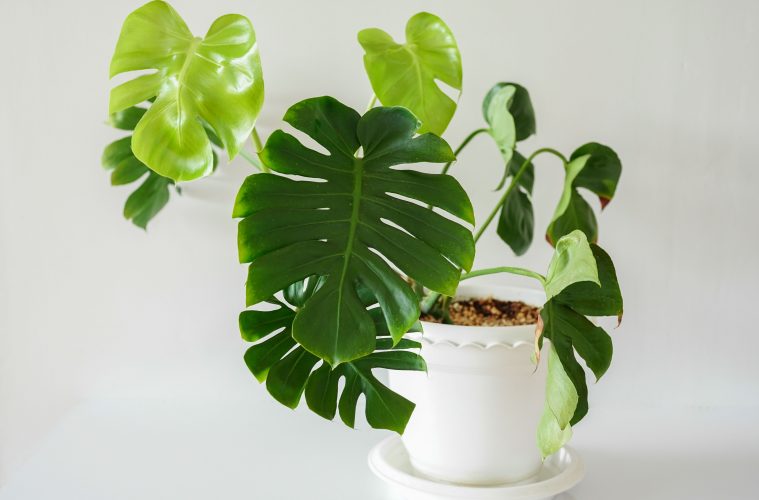
A healthy monstera makes an unmistakable impression with its generous green leaves and dramatic splits. Yet even this adaptable houseplant can begin to look tired when its growing conditions are slightly off. The good news is that many problems can be corrected before lasting damage occurs, provided the cause is identified rather than simply adding more water.
Mistake one: The wrong amount of light
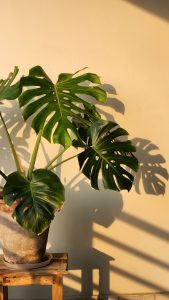
Monsteras prefer plenty of bright, filtered light. A dim corner may keep a plant alive for a while, but growth can become stretched, new leaves smaller and the characteristic splits less pronounced. Harsh direct sunlight, particularly through a hot north- or west-facing window, can leave pale or scorched patches.
Aim for a spot near a bright window where sunlight is softened by a sheer curtain or falls to one side of the foliage. An east-facing window is often useful because morning sun is gentler. Move the pot gradually if it has been in deep shade.
Mistake two: Watering by the calendar
A weekly watering reminder cannot account for changes in temperature, light or pot size. Waterlogged compost shuts oxygen out of the roots and may cause yellow leaves, soft stems and rot. At the other extreme, a plant left dry for too long can develop curling leaves and brown, crisp edges.
Before watering, feel the upper 3 to 5 cm of the potting mix. When this has dried, water until excess drains through and empty the saucer. In warmer spring and summer weather the plant may dry more quickly. Cool winter conditions generally call for longer intervals, but always check the soil rather than relying on the month alone.
Mistake three: Heavy, compacted soil
Monsteras naturally climb through tropical environments where their roots have access to both moisture and air. Dense garden soil in a pot can stay soggy and compact around the roots. A loose mix containing quality potting medium and chunky material such as orchid bark or perlite supports drainage while holding some moisture.
Choose a pot with drainage holes rather than placing the plant directly in a decorative cachepot with no outlet. If roots have turned black and mushy, remove damaged sections with clean secateurs and repot in fresh, airy mix.
Mistake four: Ignoring dry air and placement
Hot draughts, air-conditioning vents and cold glass can stress large monstera leaves. Brown leaf edges may result from low humidity, irregular watering or salt build-up, so assess the whole environment before buying a humidifier. Grouping plants or running a clean humidifier nearby can help in especially dry rooms. Do not leave pots standing in water.
Mistake five: Missing early pest signs
Check the undersides of leaves and along stems when watering. Spider mites may leave fine webbing and stippling; mealybugs form cottony clusters, while scale looks like small attached bumps. Isolate affected plants and remove pests with an appropriate, plant-safe method, repeating treatment according to instructions. Wipe dust from leaves with a damp cloth to make inspections easier.
Small, consistent adjustments are more effective than a dramatic rescue attempt. Given steady light, a breathable root environment and attentive watering, a monstera can recover its lush presence.
ALSO SEE:
Featured Image: Pexels
