
 Bianca Muller
Gardening can leave your hands, arms and legs with everything from small scratches to dry skin and calluses. Here’s how to protect your skin before, during and after a day in the garden.
Garden Day is a good excuse to get your hands into the soil, but all that digging, pruning and planting can leave your skin feeling worse for wear.
Small cuts and scratches, dry hands, cracked skin and calluses are common after a busy day in the garden. Add regular contact with soil, water, gardening tools and thorny plants, and your hands can take quite a beating.
With Garden Day taking place on 18 October, a few simple precautions can help protect your hands, arms and legs while you get stuck into your garden.
Wear gardening gloves
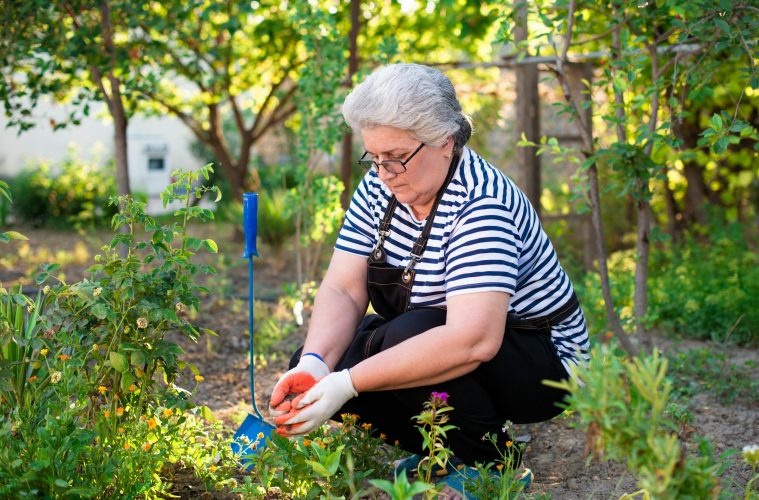
A good pair of gardening gloves is one of the easiest ways to protect your hands. They can help shield your skin from thorns, rough plant stems, soil and friction from gardening tools.
Choose gloves that fit comfortably and allow you to grip tools properly. They should also be clean and dry before you start gardening.
According to South African foot and skin-care brand KROKO, gardeners can also use a small amount of foot powder inside their gloves to help keep them dry and fresh.
And don’t forget the rest of your skin. Apply sunscreen to exposed areas before heading outdoors, including the backs of your hands, arms and legs. Gardening can mean spending several hours in the sun, even when it doesn’t feel particularly hot.
Clean small cuts and scratches quickly
A thorn, sharp stem or gardening tool can easily leave you with a small cut or scratch. It might not seem worth worrying about, but dirt and bacteria can get into an open wound and cause irritation.
Clean minor cuts and scratches as soon as possible with clean water and an appropriate wound-cleaning product. Gently pat the area dry and cover it with a clean dressing if necessary.
For gardeners who find traditional plasters inconvenient, a liquid skin covering can also be used for some minor cuts and scratches. These products form a flexible barrier over the affected area and can be useful when you’re going back to gardening or doing other activities where a plaster may become loose.
For deeper wounds, wounds that won’t stop bleeding or any injury showing signs of infection, seek medical advice rather than treating it yourself.
Photo: Unsplash
Give dry hands some attention
Soil and frequent hand washing can strip moisture from your skin, leaving your hands feeling rough, tight or cracked.
After gardening, wash your hands gently with soap and clean water, paying particular attention to underneath your nails. Dry them thoroughly and apply a moisturiser while the skin is still slightly damp.
If your hands are particularly dry, use a richer hand cream before bed and pay attention to areas that tend to crack, such as around the knuckles and fingertips.
Wearing gloves can also reduce the amount of direct contact your skin has with soil and water while you’re working.
Don’t ignore calluses and hard skin
Repeated friction from gardening tools can cause calluses and areas of thickened skin, particularly on the palms and fingers.
Calluses aren’t necessarily a problem, but they can become uncomfortable when the skin gets excessively thick or dry. Keeping the area moisturised can help, while a suitable corn and callus treatment can soften hardened skin.
Avoid cutting or picking at calluses yourself, as this can cause breaks in the skin and increase the risk of infection.
Check your skin when you’re finished
Once the gardening is done, take a couple of minutes to check your hands, arms and legs.
Look for small cuts, scratches, splinters, irritated areas and patches of dry or cracked skin. Cleaning and covering minor injuries promptly can help prevent them from becoming a bigger nuisance later.
A little preparation also goes a long way. Gloves, sunscreen, good hand care and a few minutes spent checking your skin afterwards can make gardening more comfortable, leaving you free to concentrate on the important things: planting, pruning and enjoying the garden you’ve worked hard to grow.
ALSO SEE: Garden Day recipes: 5 chefs putting fresh garden produce on the plate
Garden Day recipes: 5 chefs putting fresh garden produce on the plate
This article was prepared with information supplied by KROKO, a South African foot and skin-care brand established in 1936.
Feature image: Unsplash
