
 Chumasande Matiwane
A healthy, green lawn needs more than regular watering and mowing. One often-overlooked step is lawn aeration, a simple gardening practice that can improve soil health and help grass grow stronger.
Over time, soil can become compacted, particularly in areas that receive heavy foot traffic. Compacted soil leaves less room for air, water, and nutrients to reach the grass roots.
Aeration addresses the issue by creating small holes in the soil, which allows the roots to access essential resources. However, aeration is not a universal solution. Whether you should aerate your lawn depends on your location and the type of grass you have.
The benefits of aerating a lawn
Better water and nutrient absorption
When soil is compacted, water can struggle to penetrate the surface and may instead run off. Aeration creates pathways that allow water and nutrients to move deeper into the soil and closer to the roots. This can encourage stronger and healthier grass growth.
Stronger, deeper roots
Aerating gives grass roots more access to oxygen and space. With improved conditions below the surface, roots can grow deeper, helping the lawn become more resilient during periods of heat or dry weather.
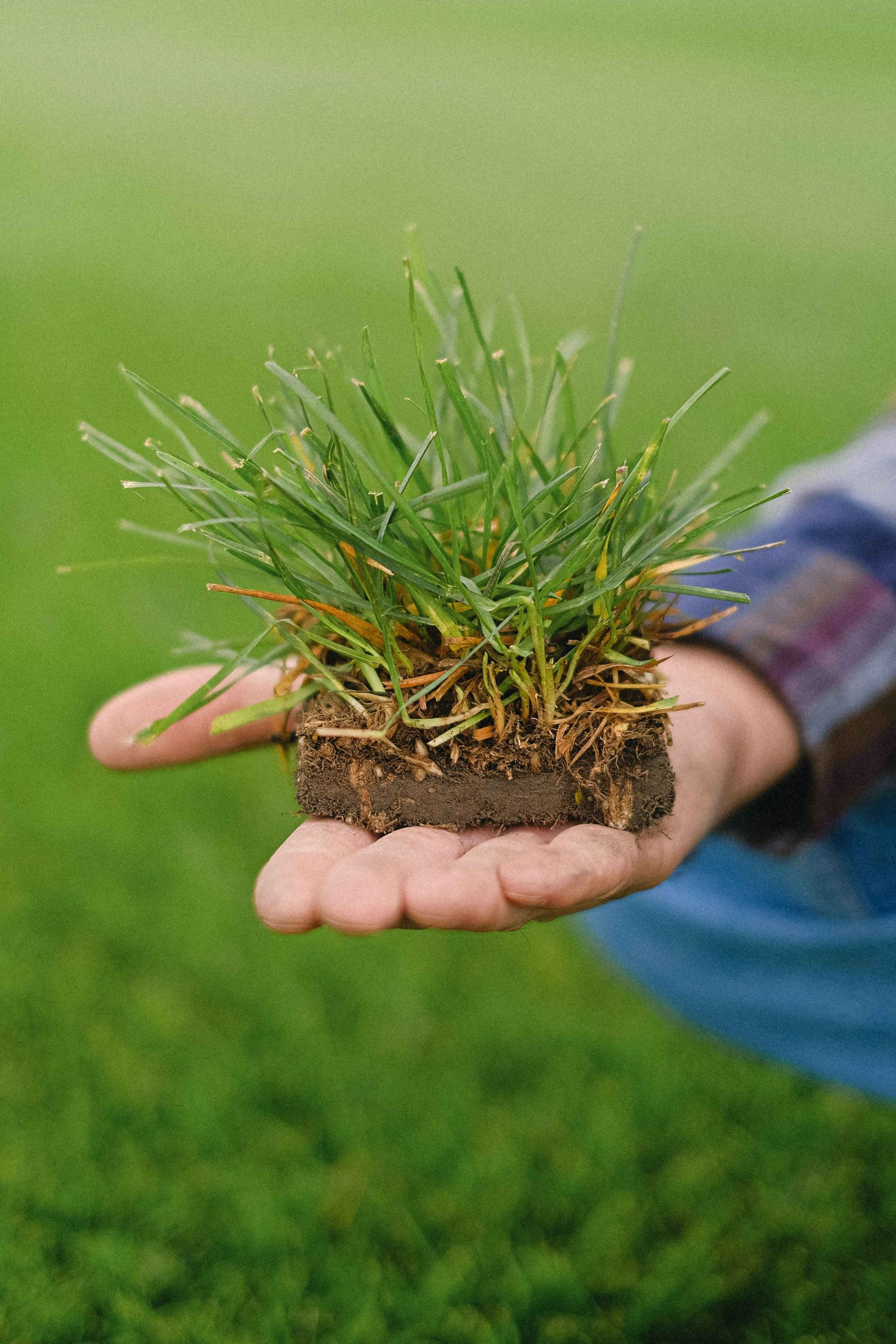
Image Credit: Pexels
Reduces soil compaction
Heavy use, children playing on the lawn, pets, and even regular maintenance can gradually compact soil. Aeration loosens the soil and restores some of the air spaces that roots need.
Helps reduce thatch problems
Aeration can also support the breakdown of organic material known as thatch, a layer that develops between the grass and soil. A small amount of thatch can be beneficial, but excessive buildup can prevent water and nutrients from reaching the roots effectively.
By perforating the soil, aeration helps break down excessive thatch and promotes its natural decomposition. This improves soil health and prevents diseases and pests that thrive in thick thatch layers.
Encourages a healthier-looking lawn
A well-aerated lawn is typically more capable of producing healthy and vigorous growth. When combined with proper mowing, watering, feeding, and weed management, aeration can contribute to a thicker and more attractive lawn.
Aeration promotes denser grass growth by enhancing root development and allowing greater access to oxygen, water, and nutrients. This leads to a fuller, healthier lawn that is better equipped to compete with weeds and resist disease.
Image Credit: Pexels
The best time to aerate depends on your grass type and local climate. Warm-season grasses are generally aerated during their active growing period, while cool-season grasses are commonly aerated during their main growth periods in spring or autumn.
ALSO SEE:
Feature Image: Pexels
