
 Jade Mcgee
Homemade cleaning recipes are appealing because they use familiar ingredients and can be mixed in a few minutes. Dishwasher detergent is one of the trickier versions, though. A dishwasher depends on controlled alkalinity, water temperature, spray action and ingredients that can suspend grease and food residue, so a DIY powder may behave differently from a commercial formula.
That does not mean you cannot experiment. It does mean the recipe should be treated as an optional household mix rather than a guaranteed replacement for every machine, water type or load.
A simple four-ingredient dishwasher powder
A simple four-ingredient version combines one cup of washing soda, one cup of bicarbonate of soda, one cup of citric acid and half a cup of fine table salt. Mix the dry ingredients thoroughly in a clean bowl, then transfer the powder to a clearly labelled, airtight container.
Use about one tablespoon in the main detergent compartment for a normal load, unless your dishwasher manual specifies otherwise. Start with properly scraped dishes rather than expecting the powder to rescue heavy, baked-on food. Results can vary noticeably between soft and hard water.
Keep the powder completely dry
Citric acid attracts moisture, so a humid cupboard can turn the mixture into a hard block. Use a dry scoop, seal the container immediately after use and store it away from the steam and splashes around the sink. If the powder clumps badly or becomes damp, replace it rather than trying to chip pieces into the dispenser.
Label the jar with the contents and keep it out of reach of children and pets. Washing soda is strongly alkaline and can irritate skin and eyes, while citric acid can also irritate in concentrated form. Gloves are sensible when mixing a large batch, and any dust should be kept away from the face.
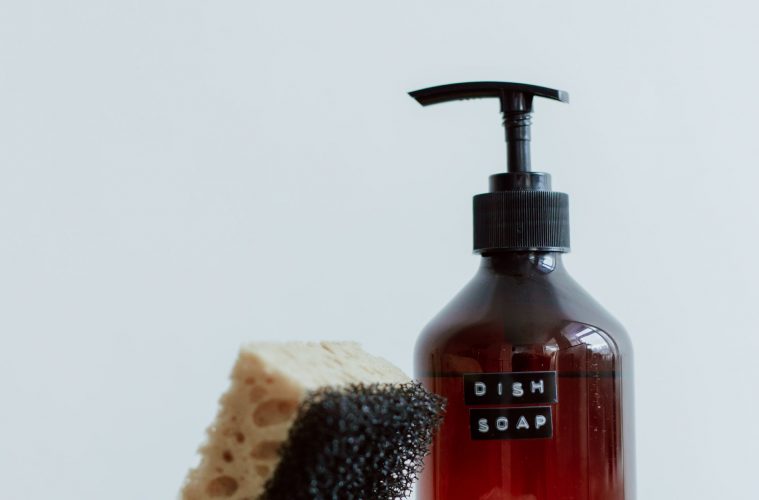
Never add ordinary washing-up liquid
A dishwasher is not designed for the high-foaming liquid used at the sink. Even a small amount can create excessive suds, leaks and a very messy kitchen floor. The same caution applies to adding castile soap or handwashing detergent as a so-called booster.
Do not combine the homemade powder with bleach, chlorine-based cleaners or other household cleaning products. Mixing cleaners can cause dangerous reactions. If a load needs extra stain removal, use a product specifically intended for automatic dishwashers and follow its label.
Your dishwasher manual still comes first
Dishwasher manufacturers commonly recommend detergent made for automatic dishwashers and advise against washing-up liquid. Some machines also need separate dishwasher salt or rinse aid depending on local water hardness. Follow the appliance instructions for those systems instead of improvising with vinegar or extra acids in the dispenser.
If your glasses develop a cloudy film, dishes feel gritty, the machine smells unusual, or residue starts building up, stop using the DIY mix and clean the dishwasher according to the manufacturer’s guidance. A homemade powder that appears inexpensive is not useful if it leaves deposits or creates maintenance problems.
When commercial detergent may be the better choice
Commercial dishwasher detergents can contain enzymes, oxygen-based bleaches, surfactants and water-softening ingredients that a four-ingredient powder does not replicate. That difference becomes obvious with greasy cookware, dried starch, tea stains and hard-water spotting.
For lightly soiled everyday loads, some households may be satisfied with a simple homemade formula. Others will get better results from a standard dishwasher powder or tablet. The practical test is not whether the ingredients sound natural, but whether the dishes, glassware and machine remain clean over time.
Treat DIY cleaning as an experiment
Mix a small batch first rather than filling a large jar. Keep notes if your water is especially hard, avoid overloading the machine and make one change at a time so you can tell what affects the result.
Homemade dishwasher detergent can be a useful experiment for a household that enjoys making its own cleaners, but caution matters more than novelty. Keep the chemistry simple, respect the appliance instructions and never use a high-foaming soap in an automatic dishwasher.
ALSO SEE:
Featured Image: Pexels
