
 Chumasande Matiwane
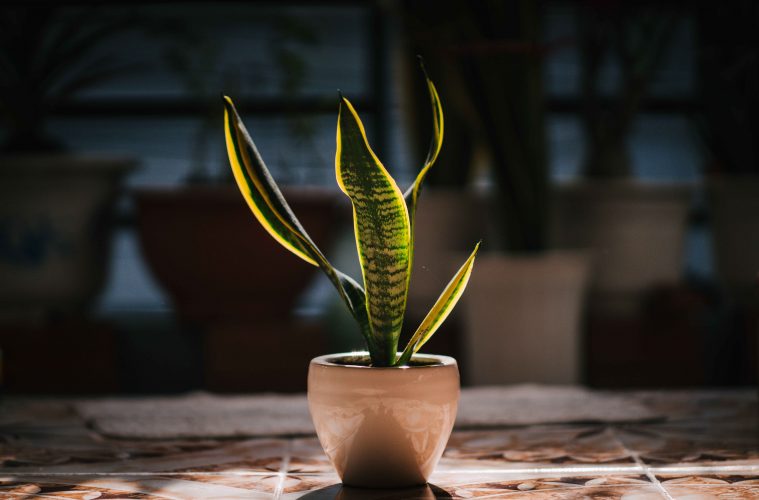
Snake plant pups are one of the easiest and most rewarding ways to grow your collection of snake plants. These small shoots appear from the plant’s underground rhizomes and, with the right care, can develop into strong, mature plants.
The goal is not to make them grow as quickly as possible, but to encourage steady, healthy root and leaf development while avoiding the most common problem: excess moisture.
Understanding Snake Plant Pups
Young snake plant pups may initially look like small, narrow leaves emerging from the soil. As they develop, additional leaves usually appear, and the plant gradually forms its own rosette or upright cluster.
Pups can be left attached to the mother plant or separated once they have developed enough roots.
So how can you take care of them?
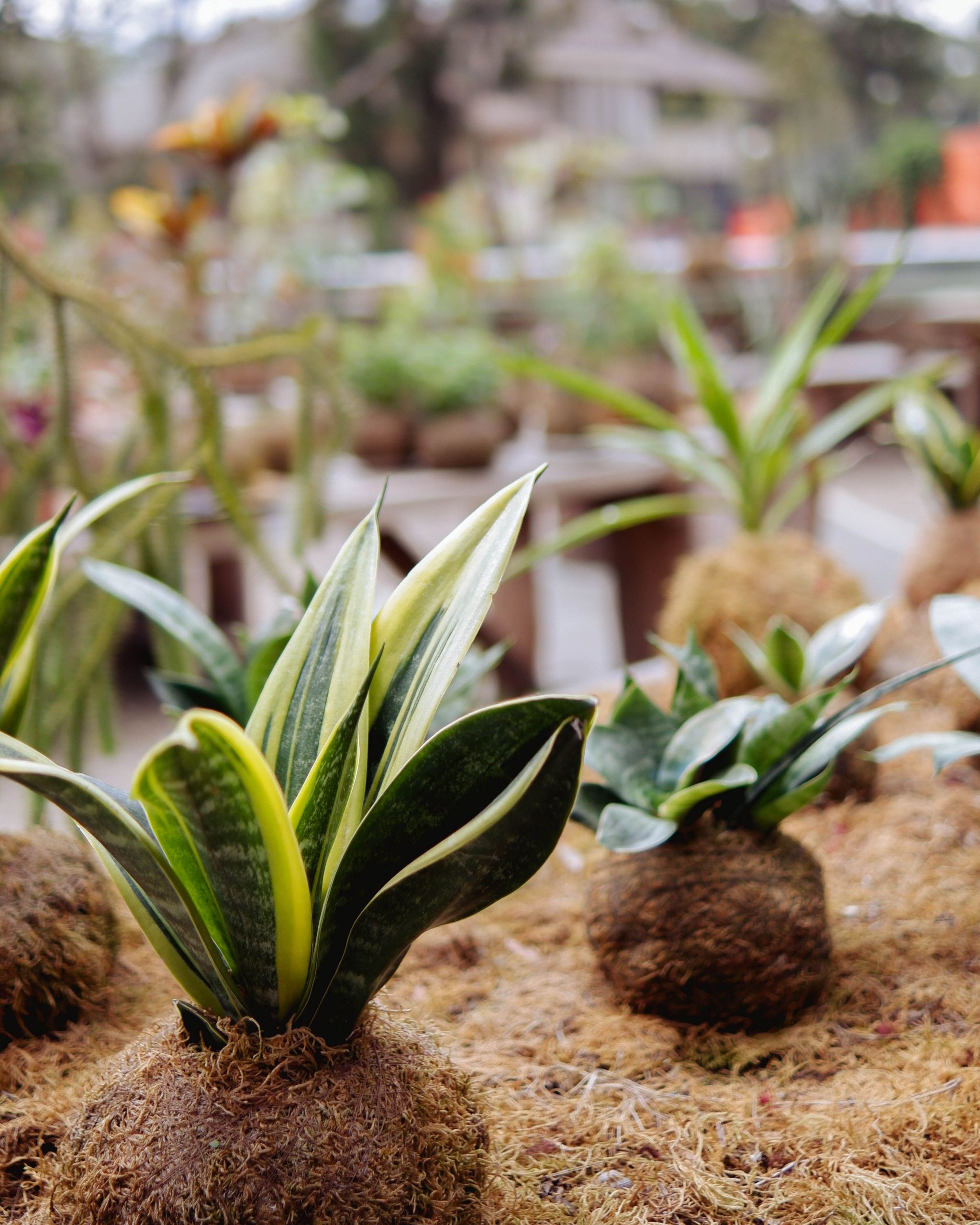
Image Credit: Pexels
Give them plenty of bright, indirect light
Light is one of the most important factors in raising healthy snake plant pups. These plants tolerate relatively low light, but young plants generally benefit from brighter conditions. Place a pup where it receives plenty of bright, filtered, or indirect light, maybe positioned near a bright window. Morning sunlight is generally gentler than strong afternoon sun.
Signs the pup needs more light:
- Very slow growth
- Pale or washed-out colouring
- Long, weak or unusually stretched leaves
- A tendency to lean strongly toward the light
- Large gaps between developing leaves
- Low light will not necessarily kill a snake plant pup, but growth may be extremely slow.
Signs of excessive sunlight: too much intense direct sun may cause:
- Brown or bleached patches
- Scorched leaf surfaces
- Faded markings
- Excessive heat around the container
Use a fast-draining growing medium
Good soil is particularly important for young pups because their developing roots can be damaged by prolonged wetness.
Snake plants are adapted to relatively dry conditions and dislike sitting in waterlogged soil. A heavy garden soil that remains wet for a long time is therefore a poor choice for container-grown pups.
A homemade approach you could use:
- Quality potting mix
- Perlite or pumice
- A coarse drainage component such as horticultural grit
Just avoid creating a dense, muddy mixture simply because the pup is small. Small roots still need oxygen around them.
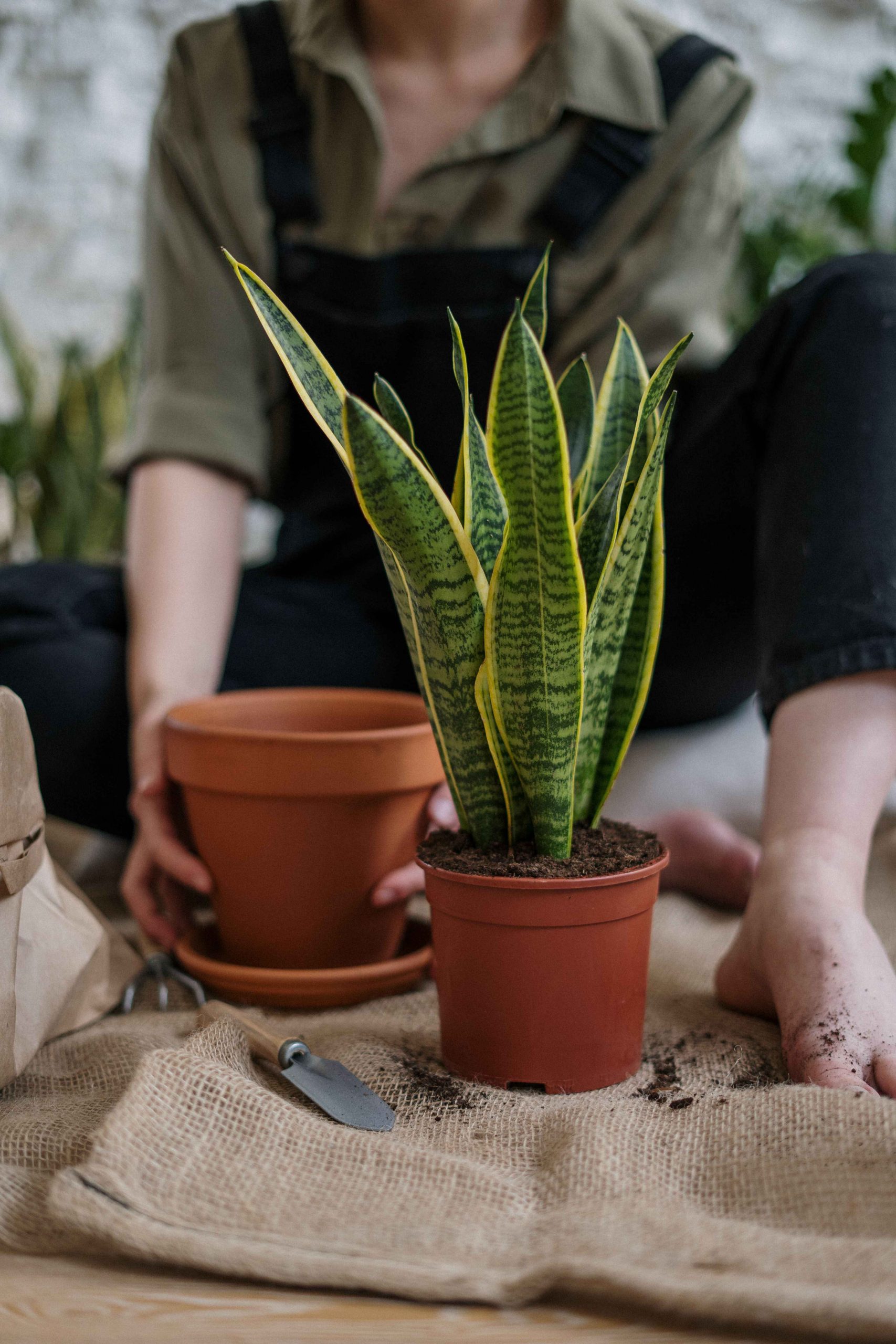
Image Credit: Pexels
Choose a small pot
One of the most common mistakes when caring for a young snake plant pup is giving it a large container.
A tiny root system does not need a large volume of soil. Using an oversized pot can hold moisture for much longer than the roots can use it, increasing the risk of root rot.
Water them carefully
Watering is probably the most important part of caring for young snake plants.
Snake plants store water in their leaves and rhizomes, so they are much more tolerant of being slightly dry than they are of constantly wet soil. Rather than watering on a rigid schedule, check the growing medium of your plant first.
Do not leave the pot sitting in a saucer of water.
Be extra careful after separating a pup
If you decide to separate a pup from its mother plant, it may experience some temporary stress. The most important thing is to make sure the separated pup has enough healthy roots or rhizome attached to support continued growth.
When separating, keep these in mind:
- Remove the plant carefully from its container if necessary.
- Gently expose the soil around the pup.
- Locate the connecting rhizome.
- Use a clean, sharp knife or cutting tool when a division is necessary.
- Make a clean cut rather than repeatedly tearing the plant tissue.
- Allow any fresh cut surfaces to dry before planting if the division has a substantial wound.
- Plant the pup in a small container with a well-draining mix.
- Keep it in bright, indirect light while it establishes.
The most useful rule to remember is simple: give young snake plant pups good light, excellent drainage, careful watering and plenty of patience.
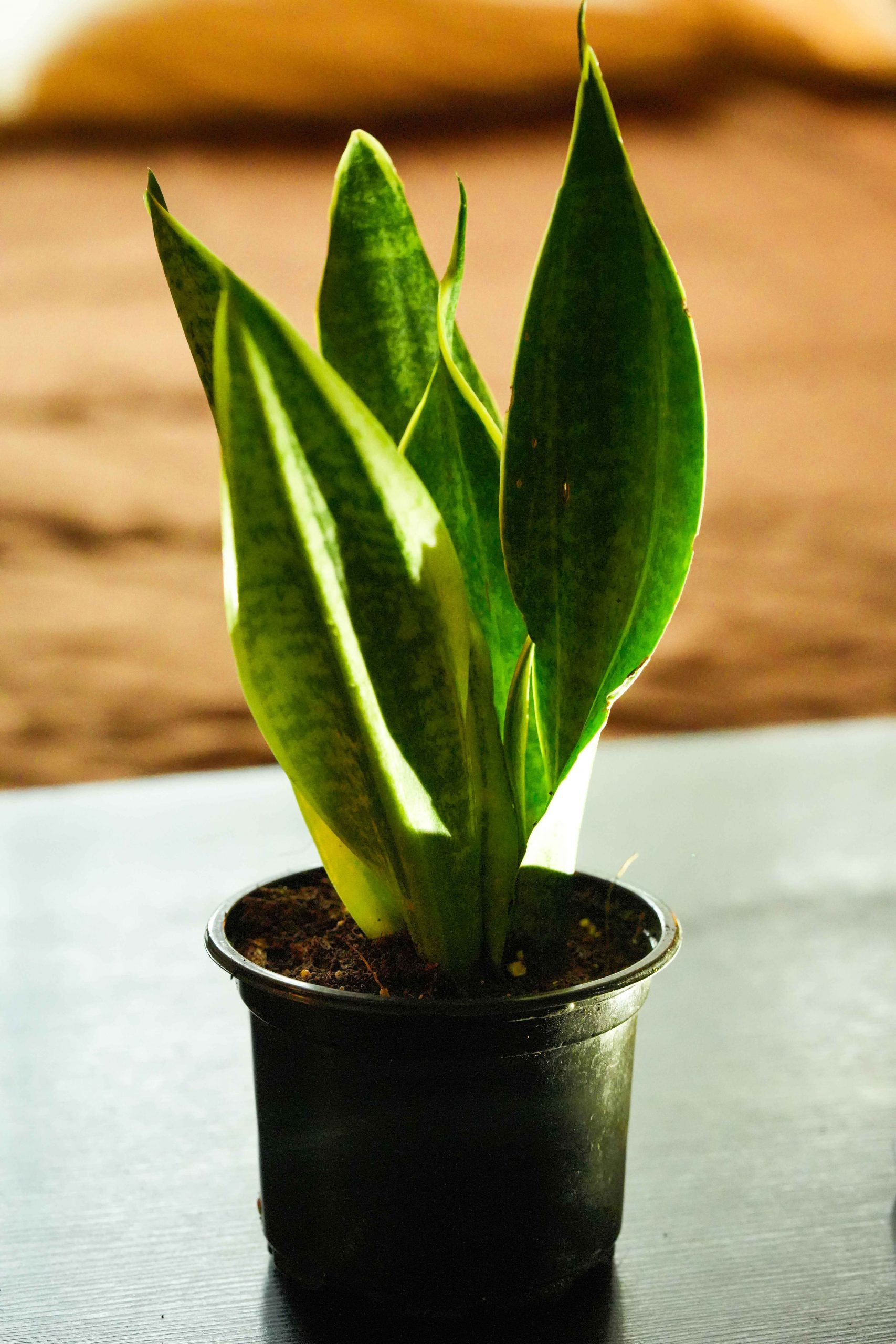
Image Credit: Pexels
With those basics in place, a small shoot can gradually develop into a vigorous, attractive snake plant that may eventually produce pups of its own.
ALSO SEE:
Feature Image: Pexels
