
 Chumasande Matiwane
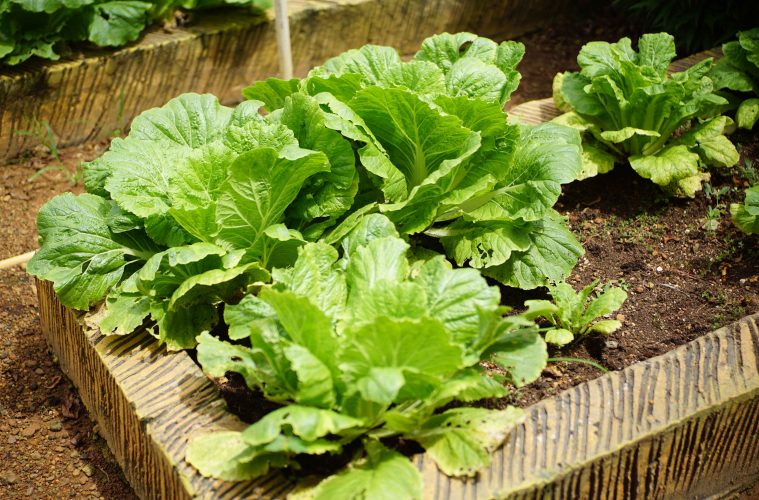
An organic kitchen garden is a rewarding way to grow fresh, healthy produce while reducing your environmental impact. Whether you have a few containers on a balcony or a larger backyard garden, maintaining it requires consistent care and attention.
Organic gardening focuses on working with nature by improving soil health, conserving resources, and avoiding synthetic chemicals.
With the right tending practices, your kitchen garden can remain productive throughout the growing season, providing nutritious vegetables, herbs, and fruits for your household.
Start with healthy soil
Healthy soil is the foundation of every successful organic garden. Rich, fertile soil provides plants with the nutrients they need to grow strong and resist pests and diseases naturally.
Improve your soil by adding compost, well-rotted manure, or other organic matter. Organic mulch also helps maintain soil structure, encourages beneficial microorganisms, and gradually releases nutrients as it decomposes.
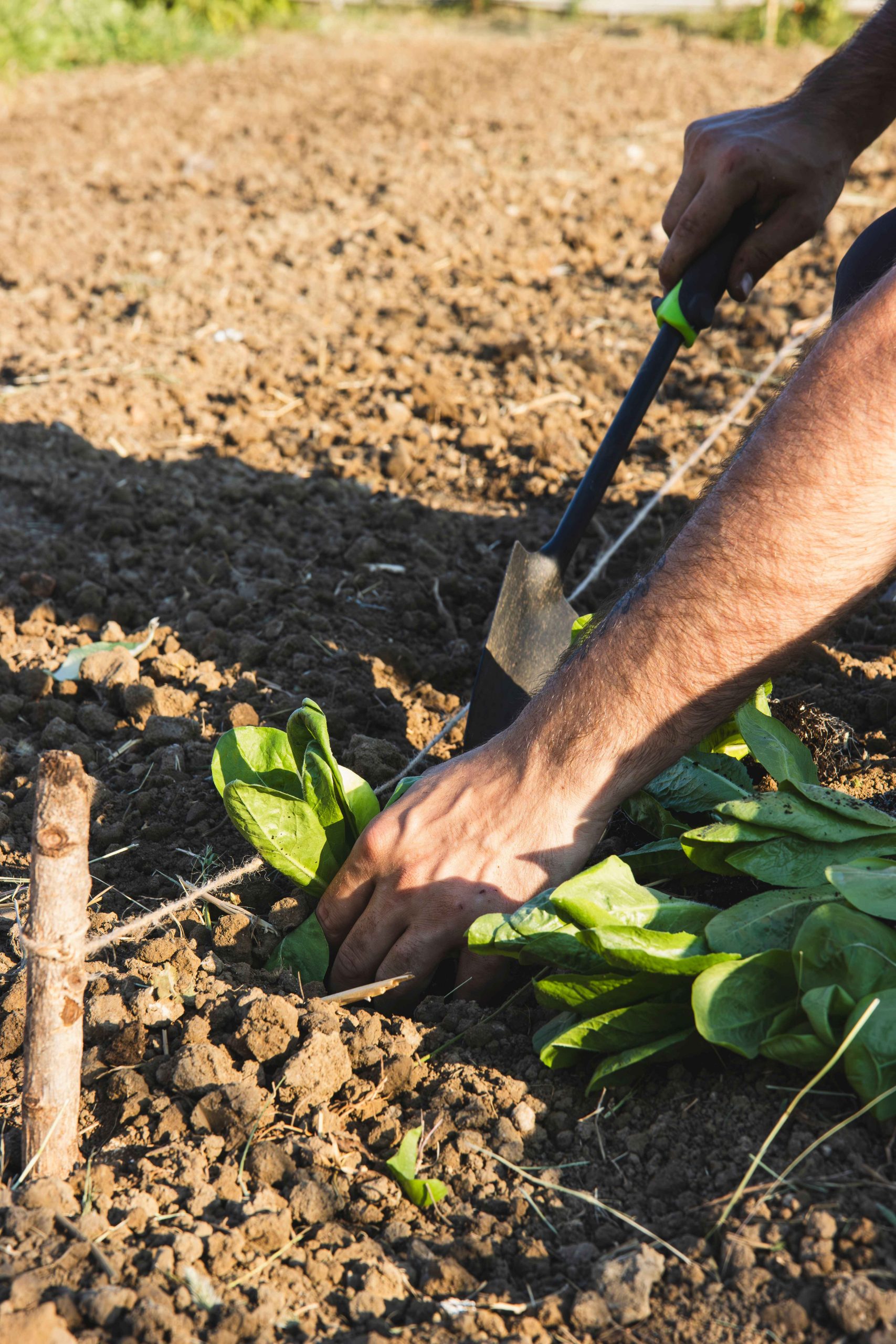
Image Credit: Pexels
Water wisely
Consistent watering is essential for healthy plant growth. Water deeply rather than frequently to encourage roots to grow deeper into the soil. Early morning is generally the best time to water, as it reduces evaporation and allows foliage to dry during the day, lowering the risk of fungal diseases.
Using rainwater collection systems where possible can also support sustainable gardening practices.
Feed plants naturally
Organic plants thrive when nourished with natural fertilisers. Compost, worm castings, seaweed extracts, fish emulsion, and compost tea provide valuable nutrients that improve plant growth without harming the environment.
Regular feeding helps vegetables and herbs remain healthy and productive throughout the growing season.
Control weeds naturally
Weeds compete with vegetables for water, nutrients, and sunlight. Remove weeds regularly before they produce seeds and spread throughout the garden.
Applying organic mulch, such as straw, dried leaves, or grass clippings, helps suppress weed growth while retaining soil moisture and improving soil quality.
Practice companion planting
Companion planting involves growing compatible plants together to improve growth and reduce pest problems. For example, basil planted near tomatoes may help repel certain pests, while onions and garlic can discourage insects from nearby crops.
This natural gardening technique reduces the need for chemical pest control while making efficient use of available space.
Monitor for pests and diseases
Inspect your plants regularly for signs of insect damage, discolouration, or disease. Early detection allows you to address problems before they spread.
Organic pest management methods include removing affected leaves, hand-picking pests, using insecticidal soaps made for organic gardening, or encouraging natural predators to keep pest populations under control.
Rotate crops
Growing the same crops in the same location year after year can deplete soil nutrients and increase the risk of pests and diseases. Crop rotation helps maintain soil fertility and breaks the life cycles of many common garden pests. Changing planting locations each season promotes healthier plants and better harvests.
Harvest regularly
Frequent harvesting encourages many vegetables and herbs to continue producing. Pick ripe produce as soon as it is ready to prevent plants from diverting energy into seed production. Fresh harvesting also allows you to enjoy vegetables at their peak flavour and nutritional value.
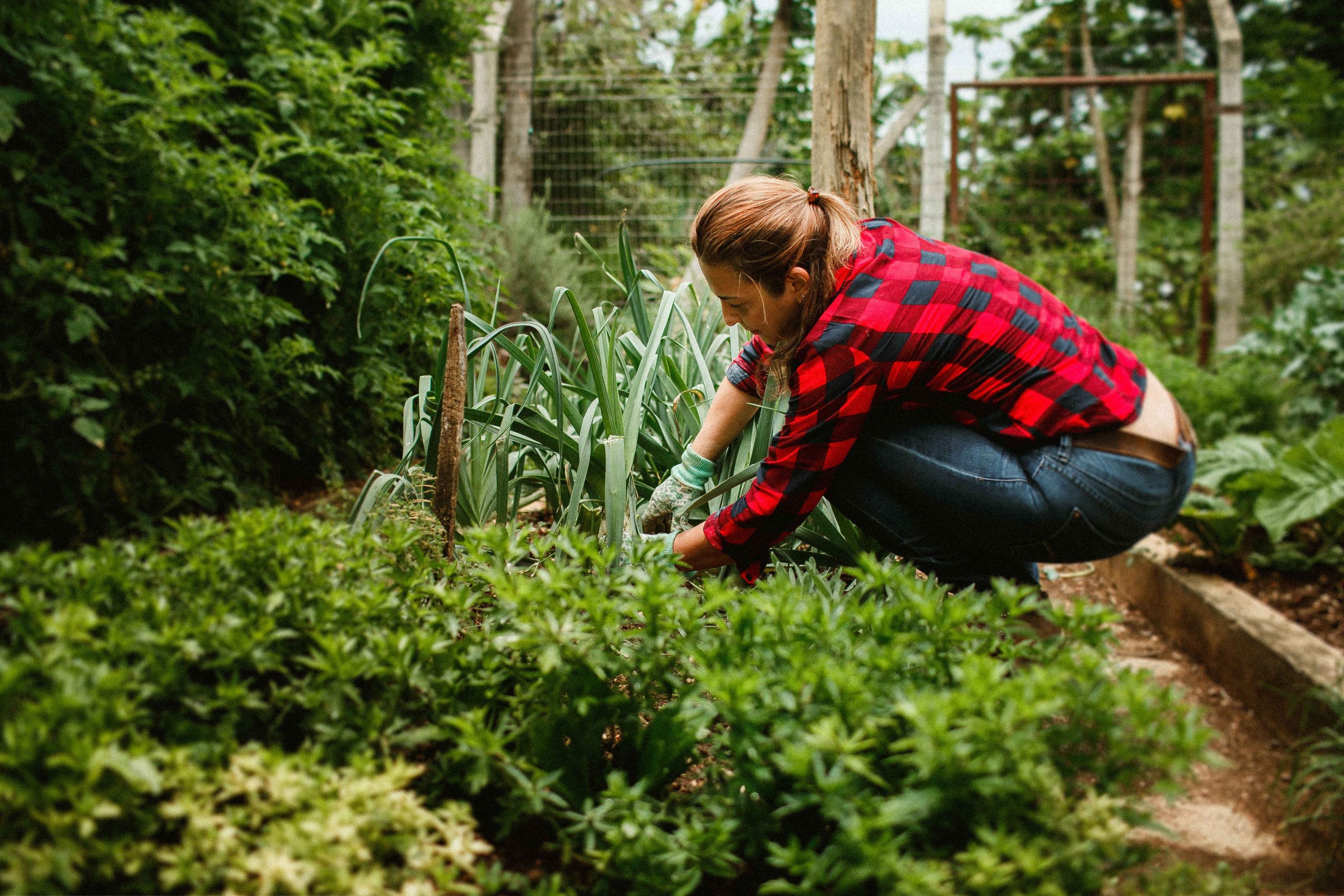
Image Credit: Pexels
With patience, consistency, and sustainable gardening practices, your organic kitchen garden can become a productive, environmentally friendly space that benefits both your household and the planet.
ALSO SEE:
Feature Image: Pexels
