
 Chumasande Matiwane
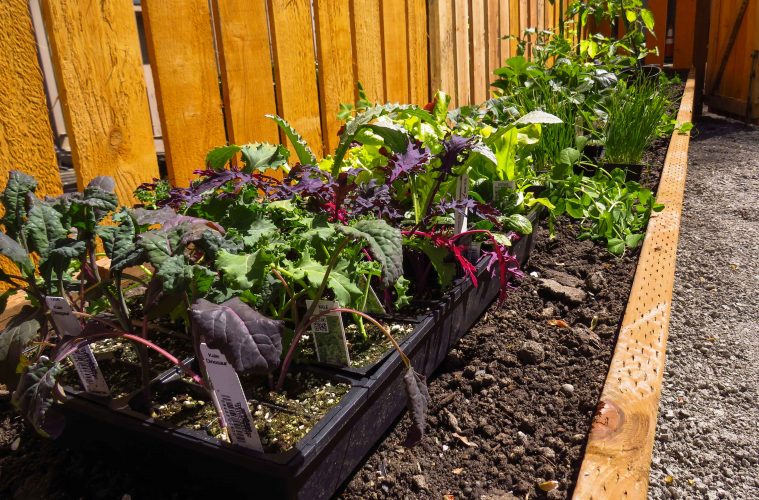
Raised beds have become increasingly popular among gardeners for their practicality and aesthetic appeal. These elevated planting areas offer a distinct approach to gardening, but like any method, they come with their own advantages and disadvantages. Understanding these can help you decide if a raised bed is the right choice for your gardening needs.
Advantages of raised beds
- Improved Soil Quality: Raised beds allow gardeners to control the soil composition, ensuring rich, well-draining, and nutrient-packed soil tailored to specific plants.
- Better Drainage: Elevated soil tends to drain faster, reducing the risk of waterlogging and root rot, especially in areas with heavy or clay soils.
- Ease of Access: Raised beds reduce the need to bend or kneel deeply, which is beneficial for people with mobility issues or back problems.
- Extended Growing Season: The soil in raised beds warms up more quickly in spring, allowing for earlier planting and sometimes prolonged growing periods.
- Weed and Pest Control: Raised beds can limit weed invasion and make it easier to manage pests, as the soil and plants are more contained and accessible.
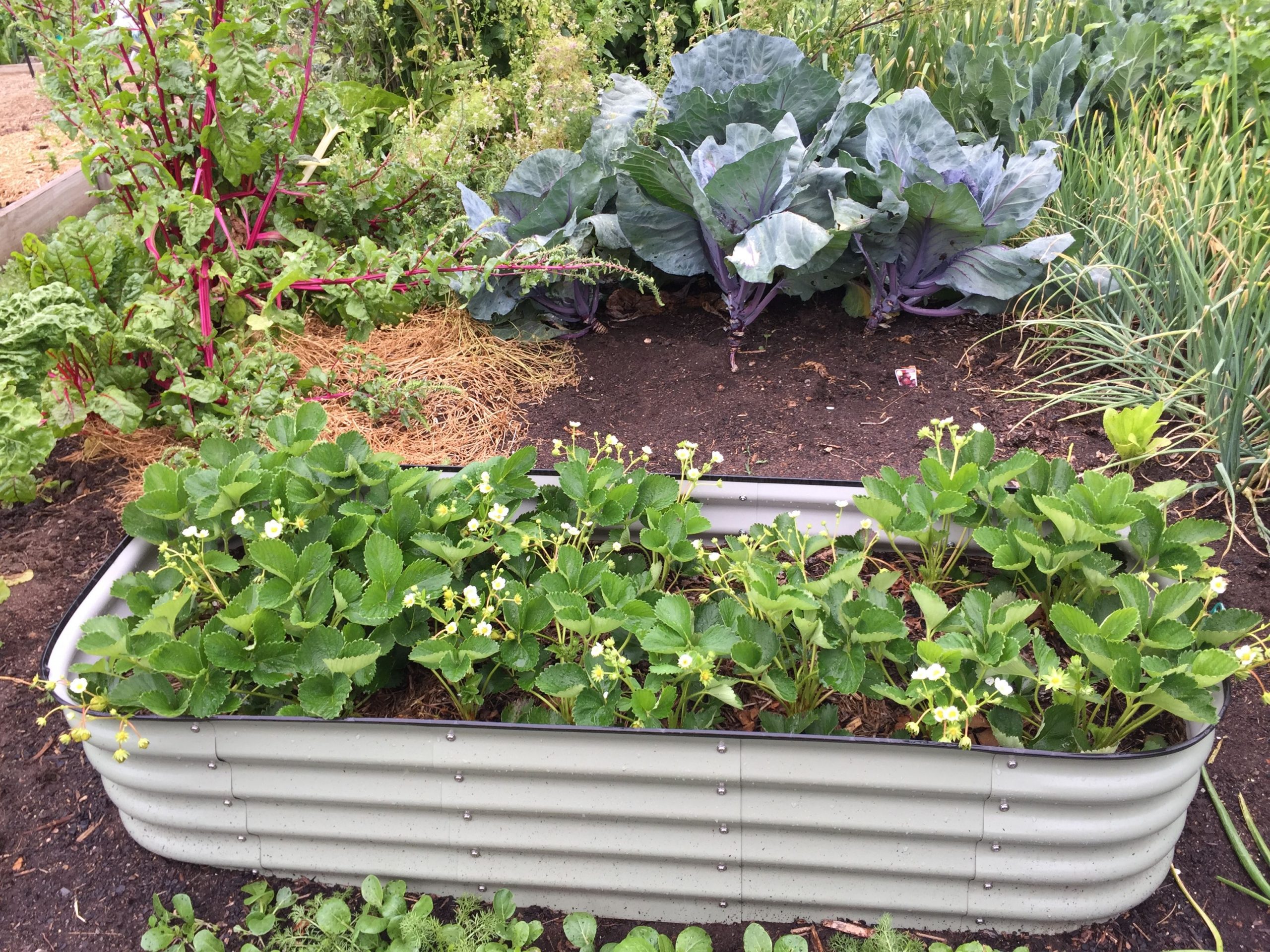
Image Credit: Pexels
Disadvantages of raised beds
- Initial Cost and Labour: Building and filling raised beds requires an upfront investment of materials and time, which might be a barrier for some gardeners.
- Watering Needs: Because raised beds drain well, they may require more frequent watering, especially in hot or dry climates.
- Limited Root Depth: Certain deep-rooted plants may struggle if the bed is not built deep enough, restricting plant variety.
- Durability Concerns: Depending on the materials used, raised bed structures can degrade over time, necessitating maintenance or replacement.
Raised beds offer a controlled, accessible, and often more productive gardening environment, making them ideal for many gardeners. However, they come with considerations such as cost, maintenance, and watering needs. Weighing these pros and cons carefully will help you create a garden space that is both enjoyable and successful.
ALSO SEE:
Five smart ways to maintain a healthy greenhouse during winter
Feature Image: Unsplash
