
 Chumasande Matiwane
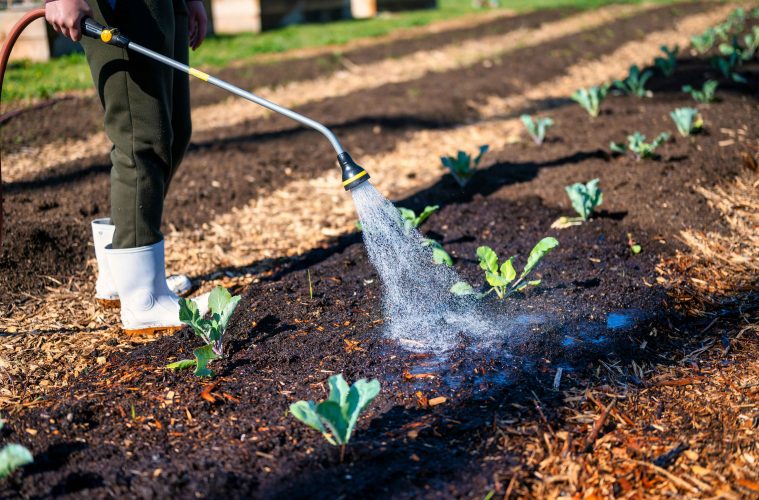
Mulching is one of the most effective gardening techniques for maintaining a healthy, vibrant garden. It serves numerous purposes, including conserving moisture, suppressing weeds, and regulating soil temperature, especially in the winter.
However, despite its many benefits, many gardeners make mistakes when applying mulch that can undermine its positive effects. These are some of the common mulching mistakes, and we provide the best recommendations to use to ensure your mulch enhances your garden’s health
1. Applying too much mulch
One of the most prevalent mistakes gardeners make is applying an excessive layer of mulch.
Recommended solution
Layer thickness: Aim for a thick mulch layer; the depth provides enough coverage for moisture retention while allowing air and nutrients to reach the soil. After applying mulch, check for areas that may require a little less mulch.
2. Using the wrong type of mulch
Choosing the appropriate type of mulch for your garden is essential for achieving the desired effects. There are different types of mulch, from organic mulch, which is made from natural materials, to inorganic mulch, which includes materials like rubber, gravel, or landscape fabric.
Recommended solution
Match the Mulch to Your Plants: Consider the specific needs of your plants. Organic mulch works best for vegetable gardens, while stone mulch may be more suitable for decorative areas or paths.
3. Choosing the wrong season for mulching
The timing of your mulching efforts is equally important as the application itself. Applying mulch during the hot summer months can increase heat retention in the soil. With winter mulching, applying mulch too late in the fall can prevent the ground from freezing properly, leaving plants vulnerable to temperature fluctuations.
Recommended solution
The best times to mulch are early spring or late autumn, just before winter. In spring, mulch helps retain moisture as plants grow. In autumn, it provides insulation for plant roots.
Image Credit: Pexels
ALSO SEE:
Feature Image: Pexels
