
 Chumasande Matiwane
Growing herbs is a rewarding and healthy way to spice up your everyday meals. However, some plants make poor neighbours for these garnishes—thankfully, several herb pairings perfectly complement each other.
To help demystify companion planting herbs, we spoke to gardening experts about the best varieties to grow together. Their suggestions will circumvent any trial and error, so your herb garden will flourish in no time.
Rosemary and Lavender
Rosemary and lavender make excellent companion herbs because they have the same growing preferences. Both do well in full sun and require infrequent watering. A benefit to growing these herbs together is that they work well in raised garden beds or when incorporated in landscaping. They are versatile, hardy, and drought-tolerant.
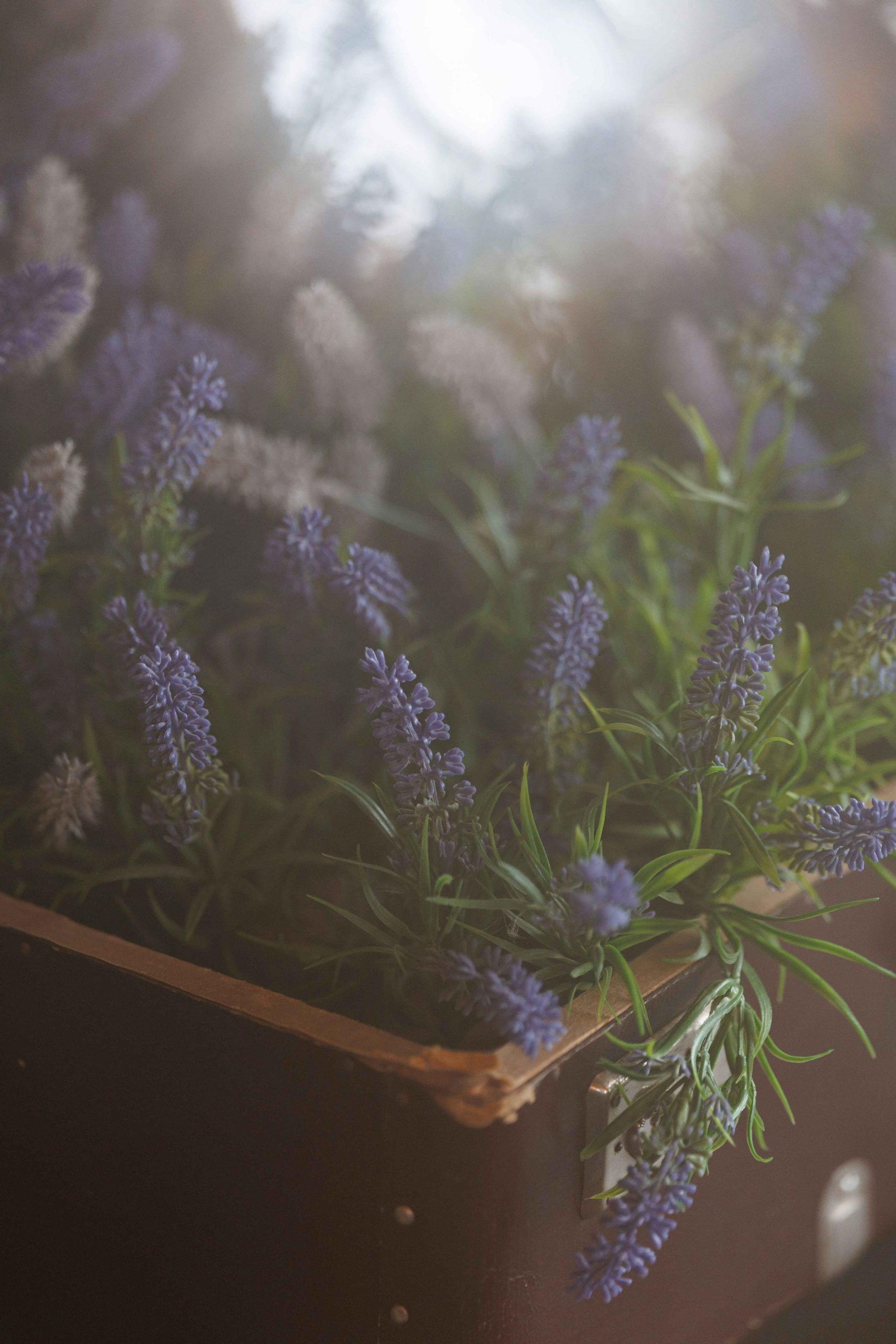
Image Credit: Unsplash
Thyme and Sage
Thyme and sage both prefer dry growing conditions and well-draining soil. They are very drought-tolerant. These two herbs are perennial in most zones, so plant them somewhere permanent, and they will come back more vigorously year after year.
Mint and Lemon Balm
Both herbs are part of the mint family and can be considered invasive, with the potential for their roots to spread and take over a garden. Therefore, it is recommended to plant both in separate pots—or even in the same one, if it is large enough. Keeping them in pots allows you to move them into a shaded area, especially during a heat wave, as they tend to wilt in the hot sun.
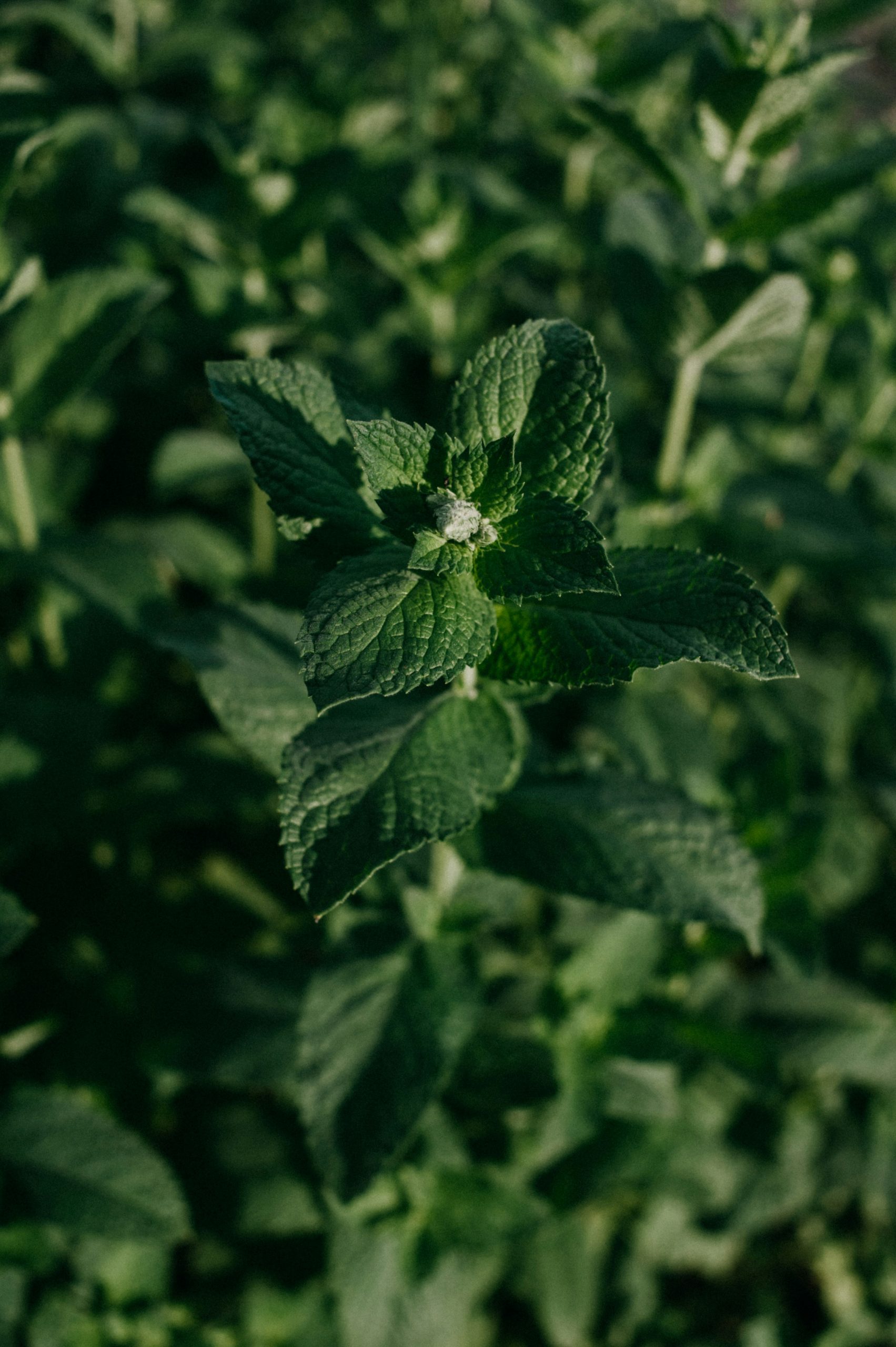
Image Credit: Unsplash
Chives and Parsley
Chives and parsley are the opposite of rosemary or thyme, as they prefer moist soil and can tolerate partial shade. Pair them together in one of the shadier parts of your garden, and they’ll perform well. Chives will be the earliest arrival to your herb garden, giving you something to harvest while parsley starts to grow its first few sets of leaves.
ALSO SEE:
Feature Image: Unsplash
