
 Maegan-Leigh Jacobs
If you’ve ever renovated a kitchen – or fallen down a late-night Pinterest rabbit hole – you’ve probably come across the “kitchen triangle”. It’s often described as the golden rule of layout. But does it still make sense for the way we live today?
Let’s unpack it.
What is the kitchen triangle?
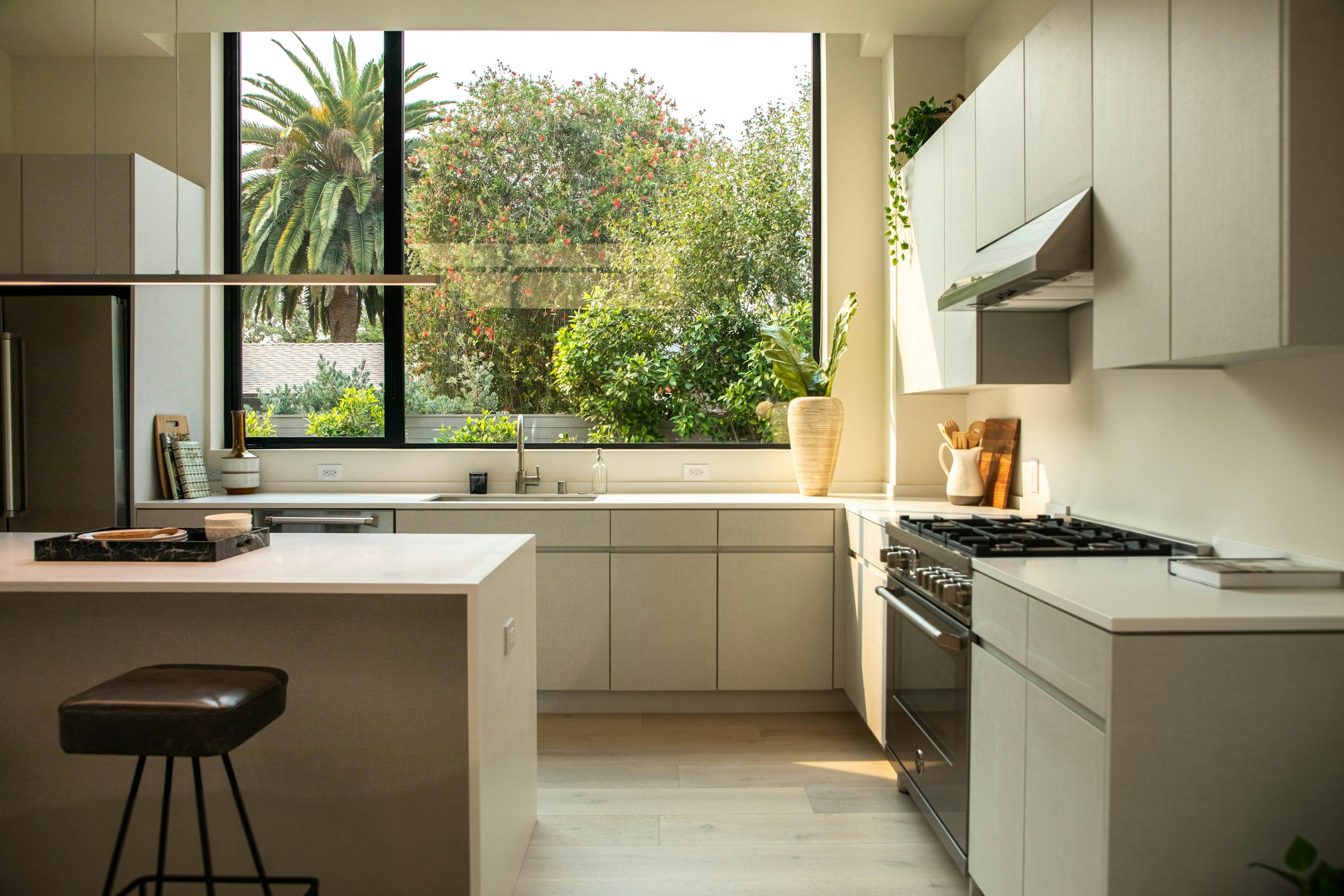
The idea is simple: your stove, sink and fridge should form a triangle. The distance between them shouldn’t be too tight or too far, allowing you to move easily between cooking, washing and storing food.
In theory, it creates a smooth flow. No crisscrossing. No backtracking. No bumping into cupboard doors while juggling a hot pot. The concept dates back to the early 20th century, when kitchens were smaller and designed purely for function. Efficiency was everything. Meals were prepared behind closed doors and space was limited, especially in city homes.
But kitchens – and lifestyles – have changed dramatically since then.
The way we cook has shifted
Today, the kitchen is rarely a tucked-away workspace. In many South African homes, it’s the heart of the house. It opens onto the dining room, the lounge or even the patio. It’s where homework happens, friends gather for a glass of wine, and family members drift in and out while dinner is on the go.
Open-plan living has become the norm, whether in a compact townhouse in Joburg or a coastal home in the Cape. With that shift, the strict triangle can feel restrictive.
Modern kitchens often include far more than three key points. Think eye-level ovens, gas hobs paired with separate electric ovens, sculleries, coffee stations, prep bowls, built-in braais and walk-in pantries. The classic trio simply doesn’t cover it anymore.
Pexels
Is the triangle completely outdated?
Not entirely.
The thinking behind it – keeping important areas within comfortable reach – still holds value. No one wants to walk from one end of the house to the other just to rinse vegetables.
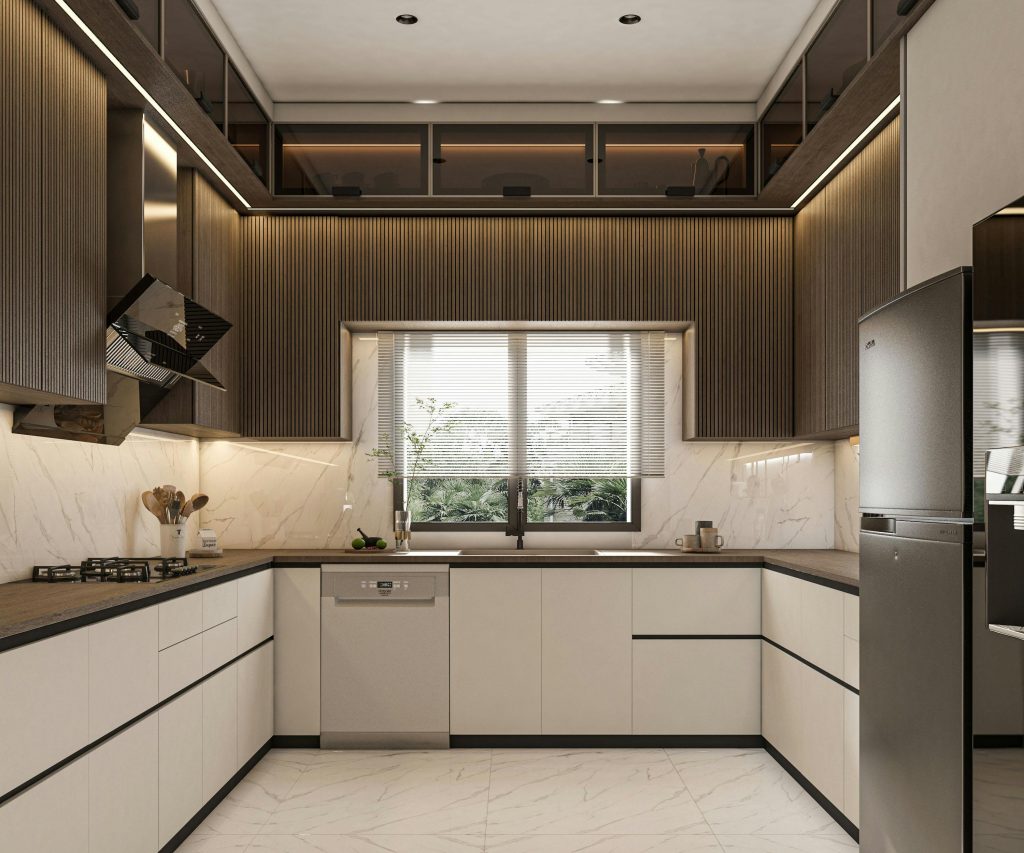
In smaller kitchens, especially galley layouts or apartments, the triangle can still work beautifully. When space is tight, smart positioning makes everyday tasks easier. Where it falls short is in larger, social spaces. A rigid triangle doesn’t always suit a kitchen with an island for entertaining, a separate scullery to hide the mess, or multiple cooks working at once.
Enter the idea of “zones”
Rather than focusing on three points, many designers now speak about zones.
Prep zone. Cooking zone. Cleaning zone. Storage zone. Even a baking corner or a drinks station.
This approach allows you to plan around how you actually live. If you love hosting, you might place the hob on the island so you can chat while stirring a pot. If you prefer a clean visual line when guests arrive, you may keep the sink slightly out of view.
Zoning also works well for families. One person can chop vegetables while another loads the dishwasher, without stepping on each other’s toes.
Flexibility matters
Another growing trend is the use of freestanding pieces instead of fully fitted cabinetry. Think movable butcher’s blocks, standalone pantry cupboards or open shelving.
This brings warmth and character, but it also allows you to adapt your layout over time. As routines change, so can the room.
That flexibility feels far more in tune with modern life than a fixed formula drawn nearly a century ago.
So, should you follow it?
The kitchen triangle isn’t a bad rule. It’s just not the only rule.
If you’re renovating, start by asking practical questions:
- How many people cook at once?
- Do you entertain often?
- Is there a separate scullery?
- Where does natural light fall?
- What do you reach for most during the day?
Design around your habits rather than chasing a textbook shape.
In the end, a successful kitchen isn’t about geometry. It’s about flow, comfort and the small daily rituals that happen within its walls. Whether that forms a triangle, a line or something entirely different is up to you.
ALSO SEE: HOW TO DECLUTTER YOUR KITCHEN COUNTER
Image: Pexels
