
 Chumasande Matiwane
Many would ask themselves when and how often they should de-thatch their lawns. Thatch is the dense layer of living and dead plant material that can build up over time between turfgrass and the underlying soil surface. When it gets thick enough, it can prevent water, air, and nutrients from reaching your lawn’s root system.
Dethatching is the best process for removing this layer of decaying matter so that your lawn can breathe throughout the growing season.
How often should you dethatch?
In most cases, dethatching annually is enough to keep lawns healthy. Early autumn is generally an ideal time, since the de-thatching is actively growing and able to withstand the aggressive scraping involved in the process. Doing it in spring can also work, but the open spaces in the lawn that result from de-thatching can be an invitation to weeds. It’s worth noting that a moderate layer of thatch can benefit the lawn by acting as an insulator against extreme temperatures. It is the cushion that can reduce soil compaction in lawn’s that get a lot of foot traffic.
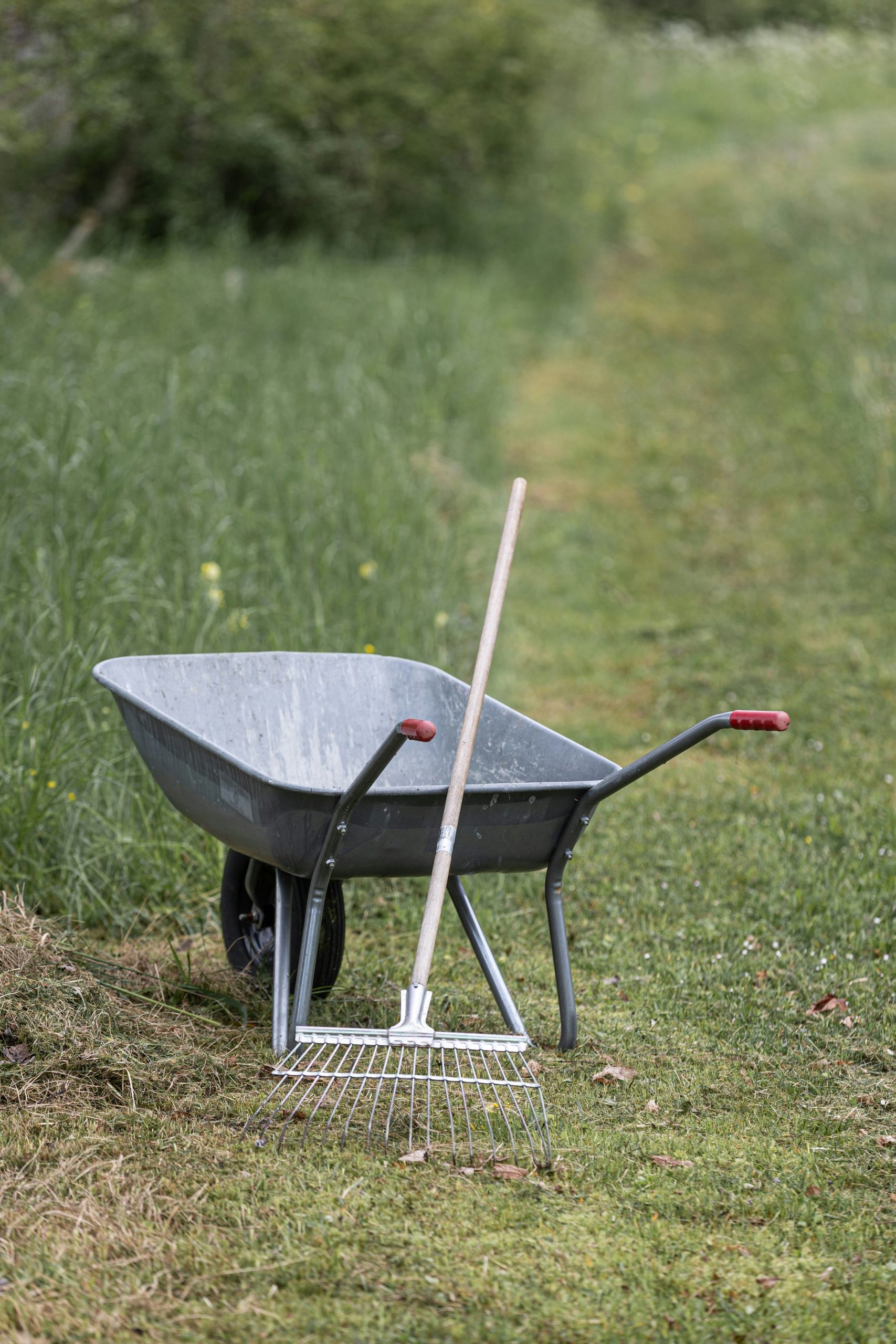
Image Credit: Unsplash
How to dethatch
For smaller lawns, using a rake to de-thatch can be the ideal option. The regular rake tool works hard enough to pull the thatch away from the soil. For best results, reach for the de-thatching rake right after you have mowed the lawn. This is so you don’t end up with long blades of grass getting stuck in the tines of your rake. Of course, for bigger lawns, a mechanical de-thatcher can be used. Some mechanical dethatchers can also aerate and scarify lawns, which improves overall lawn health.
How to prevent thatch from coming back
- Avoid overwatering the lawn
- Avoid garden practices that lead to organic matter building up
ALSO SEE:
Discover the importance of wetlands for biodiversity preservation
Feature Image: Gettys
