
 Chumasande Matiwane
When it comes to gardening, the type of soil you have can impact the health and growth of your plants. Most gardeners are hesitant to work with clay soil, often thinking it is unsuitable for growing fruit trees because it can be slow-draining.
We now know that with a few amendments to the soil, this drainage problem can be improved and enhance the nutrient levels of the clay soil. The good thing is that there are plenty of backyard fruit trees that do well in clay soil.
Pawpaw trees
Pawpaw trees are resilient fruit trees that thrive in woodsy clay soils, and sometimes can even thrive in heavy clay, if the soil is well-drained and not swampy. These trees thrive in clay-based soils that have ample organic matter, full sunlight, and excellent drainage. Of course, excellent drainage can be achieved by organic compost.
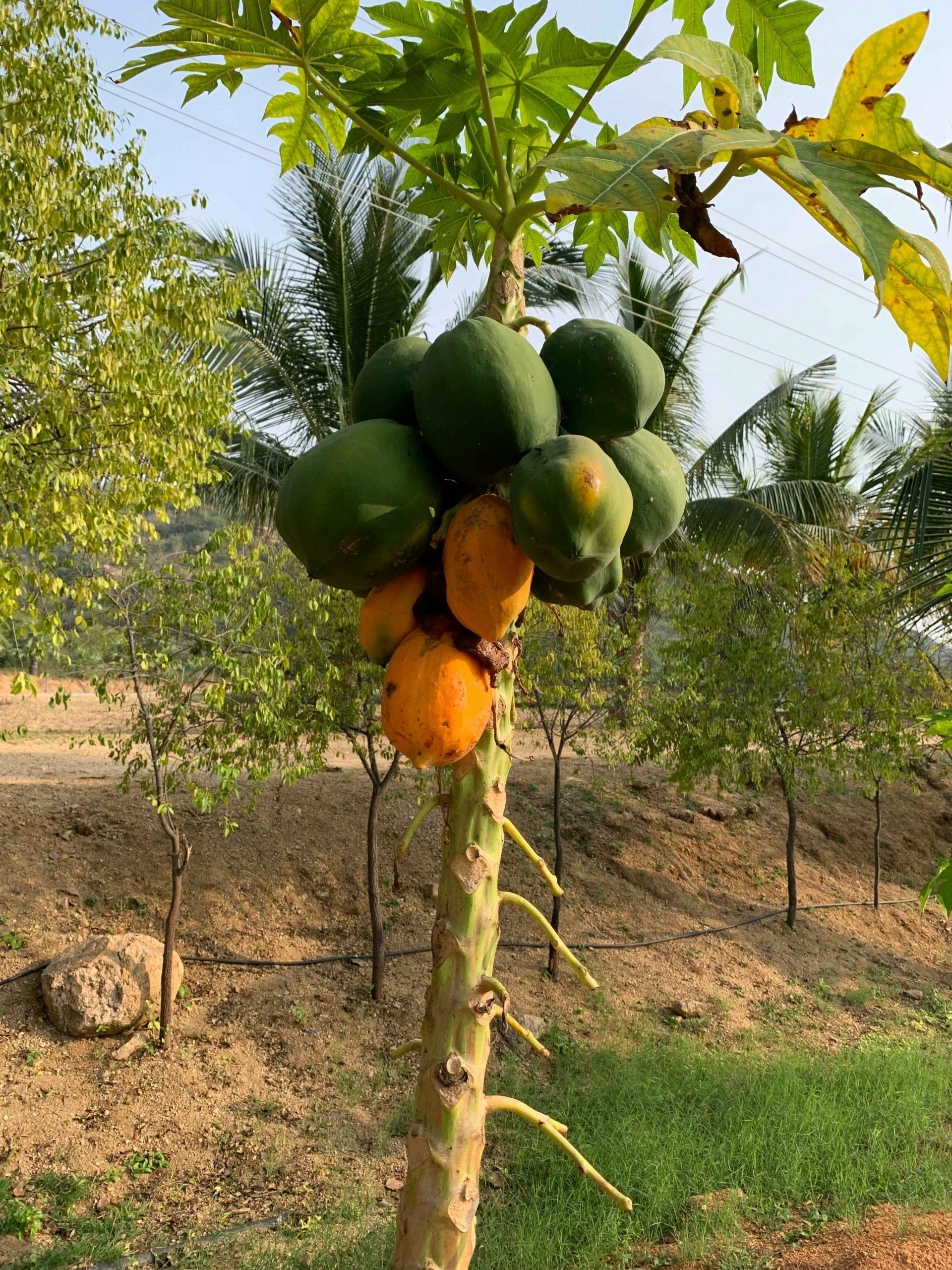
Image Credit: Unsplash
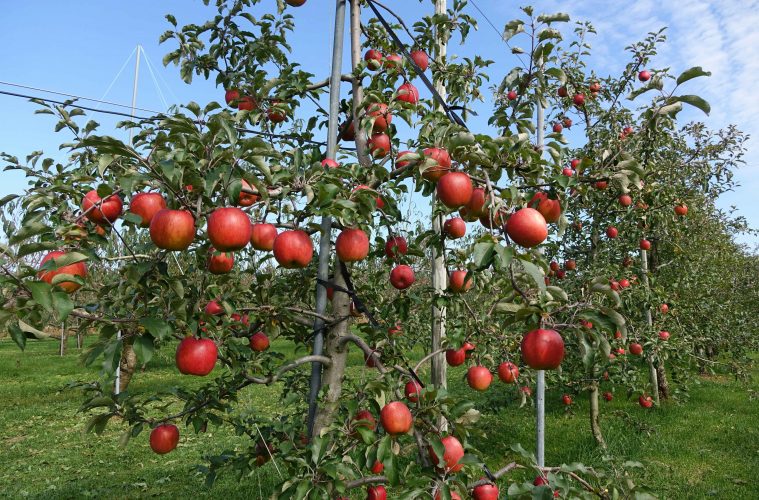
Apple trees
The stable and growing healthy fruit trees on clay soils are amending the soil. Apple trees are no different. The most significant risk when growing apple trees in clay soil is root and crown rot. So, as a gardener, you need to prepare the soil by adding organic matter. Adding organic compost allows for proper water retention and healthy air pockets that roots require to receive oxygen underground. With a good amount of soil amendment, your tree can thrive and produce juicy apples.
Fig trees
These fruit trees aren’t popular in a lot of South African gardens, but you can easily grow them. Figs are resilient and highly adaptable, and can adapt well in clay soils without any obstacles. The fig trees have a spreading, extensive root system, which grows rapidly, and can be well fitted in clay soils provided there is plenty of moisture and excellent soil drainage, as well as strong sunlight. Just provide the tree with full sun, well-drained soil rich in organic matter, and watch your trees thrive.
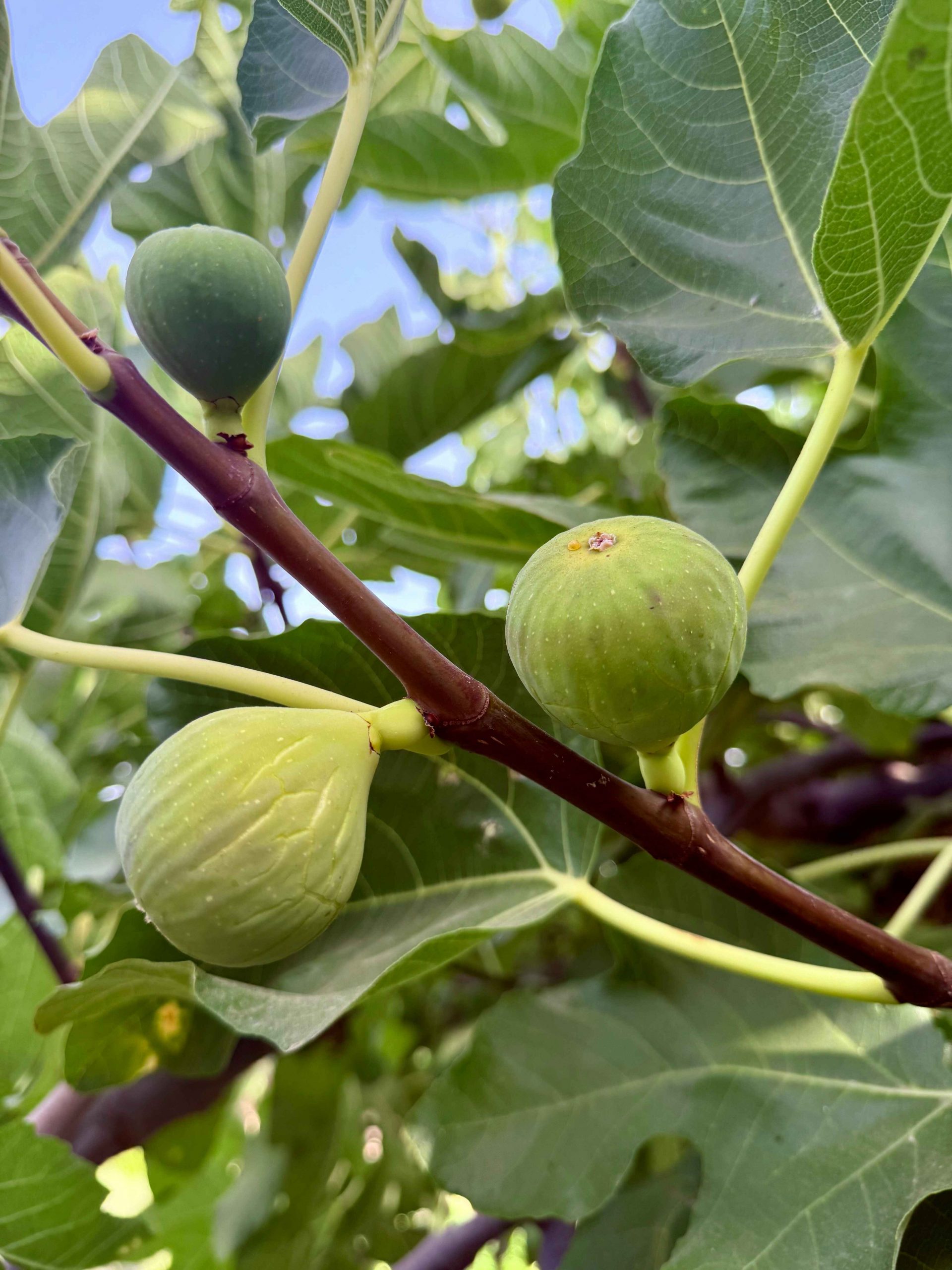
Image Cedit: Unsplash
In clay soils, slow, deep watering is needed so that water absorbs rather than pooling above the soil surface and rolling off. When the trees are still young and establishing their roots, water them twice a week for several months while they get settled in.
But for established trees, as they mature, the roots directly underneath the trunk don’t take in much water. Their job is to anchor the tree. Knowing this will help direct the water to the right area as your tree grows.
ALSO SEE:
Feature Image: Unsplash
