
 Maegan-Leigh Jacobs
March is that gentle in-between month. The heat starts to soften, mornings feel fresher, and the garden finally lets out a sigh of relief.
Across South Africa, it’s the perfect moment to plant for winter, tidy up tired spaces and rethink how we use water as we head into a new season.
Here’s what to focus on in your region:
Western Cape
With winter rainfall around the corner, this is a rewarding planting month in the Cape. Let the first proper rain guide you.
Plant and sow: After the soil has had a good soak, add fynbos favourites such as ericas, pincushions, proteas and restios. They’ll settle in beautifully before winter.
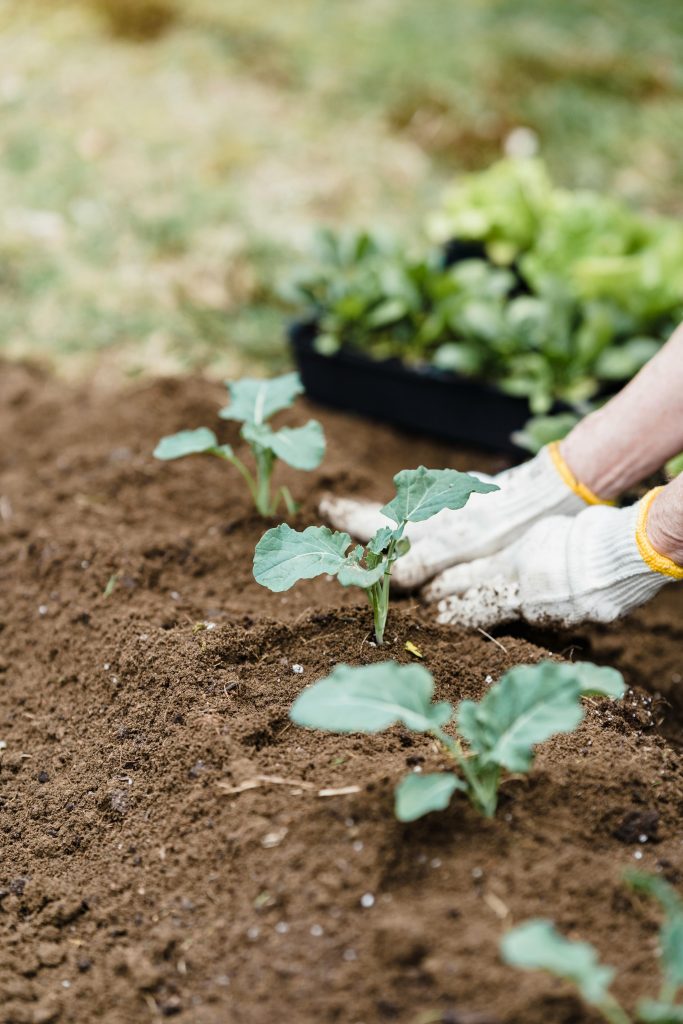
In the veggie patch, sow beetroot, broccoli, cabbage, carrots, cauliflower, celery, leeks, onions, spinach and Swiss chard. Think soups, roasts and comforting midweek meals.
Herbs to pop in now include parsley, dill, rocket, chives and sorrel. For colour, try calendula, cornflowers, foxgloves, larkspurs, snapdragons, violas and pansies.
Spotlight plant: Plectranthus
If you have a shady corner that feels forgotten, plectranthus is your answer. This indigenous favourite is grown for its textured foliage and soft purple or lilac blooms. It thrives beneath trees or in dappled light and, once established, handles dry spells with ease.
Plant in Autumn so roots can develop during the rainy months. It grows happily in beds or containers. Trim larger varieties once a year and remove spent flowers to keep plants neat.
Feed: Wait for rain, then nourish your garden while the soil is moist. Citrus trees will appreciate a balanced feed to support fruit development. Cut back roses after flowering and give them a boost to encourage another show before winter.
Mulch: Warm soil makes this the ideal time to spread mulch. Layer it around shrubs, trees and new seedlings to lock in moisture and reduce weeds. It also gives beds a polished finish.
Tidy up: Shape summer-flowering shrubs such as lavender, pelargonium and salvia. Prune evergreen trees, but leave those that bloom in spring untouched. Patch bare areas with gravel or create a small rock feature to refresh worn-out lawns.
Gauteng
Highveld gardens are shifting gears. The intense summer growth slows, making March ideal for sowing and general maintenance before the cold sets in.
Sow for winter: Sweet peas, hollyhocks, primulas, poppies and pansies can go in now. Start leafy greens like kale, lettuce and spinach, along with carrots, beetroot, radishes and broad beans.

Brassicas – broccoli, cabbage and cauliflower – are reliable cool-season crops. You can also begin planting spring-flowering bulbs such as freesias, ranunculus and ixias while the soil cools.
Spotlight plant: Plectranthus
In Gauteng’s summer rainfall climate, plectranthus flowers generously from late summer into autumn. Choose a cool, shaded position with compost-rich soil. Water every few days during dry periods. After flowering, feed lightly to maintain healthy growth.
Lawn care: Give lawns a final seasonal feed so they stay strong through winter dormancy. Rake away thatch and fallen leaves to prevent fungal issues as temperatures drop.
Watch for pests: Scale and whitefly become more noticeable as the weather cools. Check citrus leaves and stems regularly and treat early to prevent spread. Healthy plants are less vulnerable, so consistent care makes all the difference.
General clean-up: Lightly trim overgrown shrubs so they can harden off before winter. Add compost to empty beds and mulch around acid-loving plants such as azaleas and camellias to keep roots cool and suppress weeds.
KwaZulu-Natal
The humidity begins to ease, but warmth lingers.
Plant and sow: Start winter greens including spinach, lettuce and cabbage. Beetroot and carrots also perform well now. Add colourful annuals like dianthus and snapdragons for lasting interest.
Maintenance: Keep deadheading summer bloomers and cut back anything that looks leggy. Feed flowering plants lightly and mulch generously to conserve moisture as rainfall patterns shift.
Water-wise habits for every region
March includes National Water Week, a timely reminder to garden with care.
- Water early in the morning or at dusk to limit evaporation.
- Use mulch to keep roots cool and reduce runoff.
- Collect rainwater in tanks or barrels if space allows.
- Reuse grey water where appropriate, rotating with fresh water to avoid residue build-up.
- Group plants with similar water needs together to prevent overwatering.
- Consider more containers – they lose less moisture than large, open beds.
A thoughtful layout and drought-tolerant plant choices will always reduce demand on precious resources.
March is about small, steady actions that set your garden up for the cooler months ahead. A little planting, a little pruning, a layer of mulch – and suddenly everything feels ready for a new season.
ALSO SEE: HOW TO CHOOSE THE BEST GARDEN EDGING FOR YOUR PLANTS
