
 Chumasande Matiwane
Designing a native plant garden is a rewarding way to create a beautiful outdoor space while supporting local wildlife and the natural environment. Native plants are species that have evolved in a particular region over long periods of time, making them naturally adapted to the local climate, soil, and growing conditions.
With thoughtful planning, even a small garden can become a thriving habitat for birds, butterflies, bees, and other beneficial wildlife.
Understand your garden site
Before choosing plants, you need to understand and observe the climate of your area. Note how much sunlight different areas of your garden and how much sunlight it receives throughout the day, identify spots that stay wet or dry, and examine the type of soil you have before planting.
Understand the native plants
The most important step is choosing plants that are genuinely native to your region. It is useful to visit botanical gardens, native-plant societies, conservation organisations, and reputable nurseries.
This allows you to choose plants according to the conditions in your garden rather than simply selecting species because they look attractive. Plants such as the fynbos and other local South African plants are a good start.
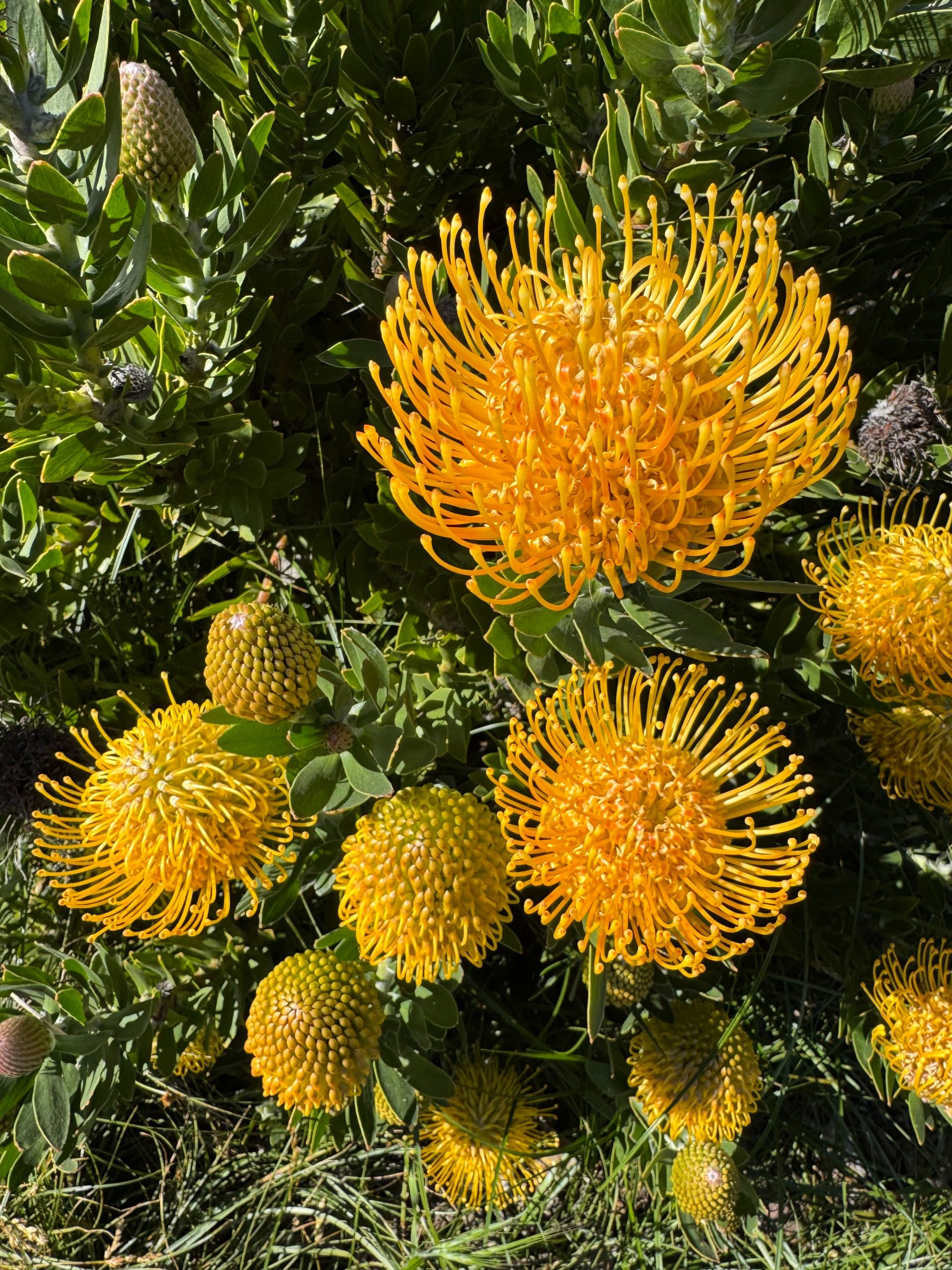
Image Credit: Pexels
Create a garden plan
Once you understand your site and have identified suitable plants. DIY a sketch of a simple garden plan of how you would like the garden to look. Place taller plants toward the back or centre of the garden and shorter plants toward the front. This creates visual depth while ensuring that smaller plants receive enough sunlight.
Plant for wildlife
One of the greatest benefits of a native plant garden is its ability to support wildlife. Native plants can provide nectar, pollen, seeds, fruit, nesting sites, and shelter.
Choose flowers with different shapes and flowering periods to attract a variety of pollinators. Trees and shrubs can provide nesting locations and cover for birds, while grasses and dense plants can offer shelter for insects and small animals.
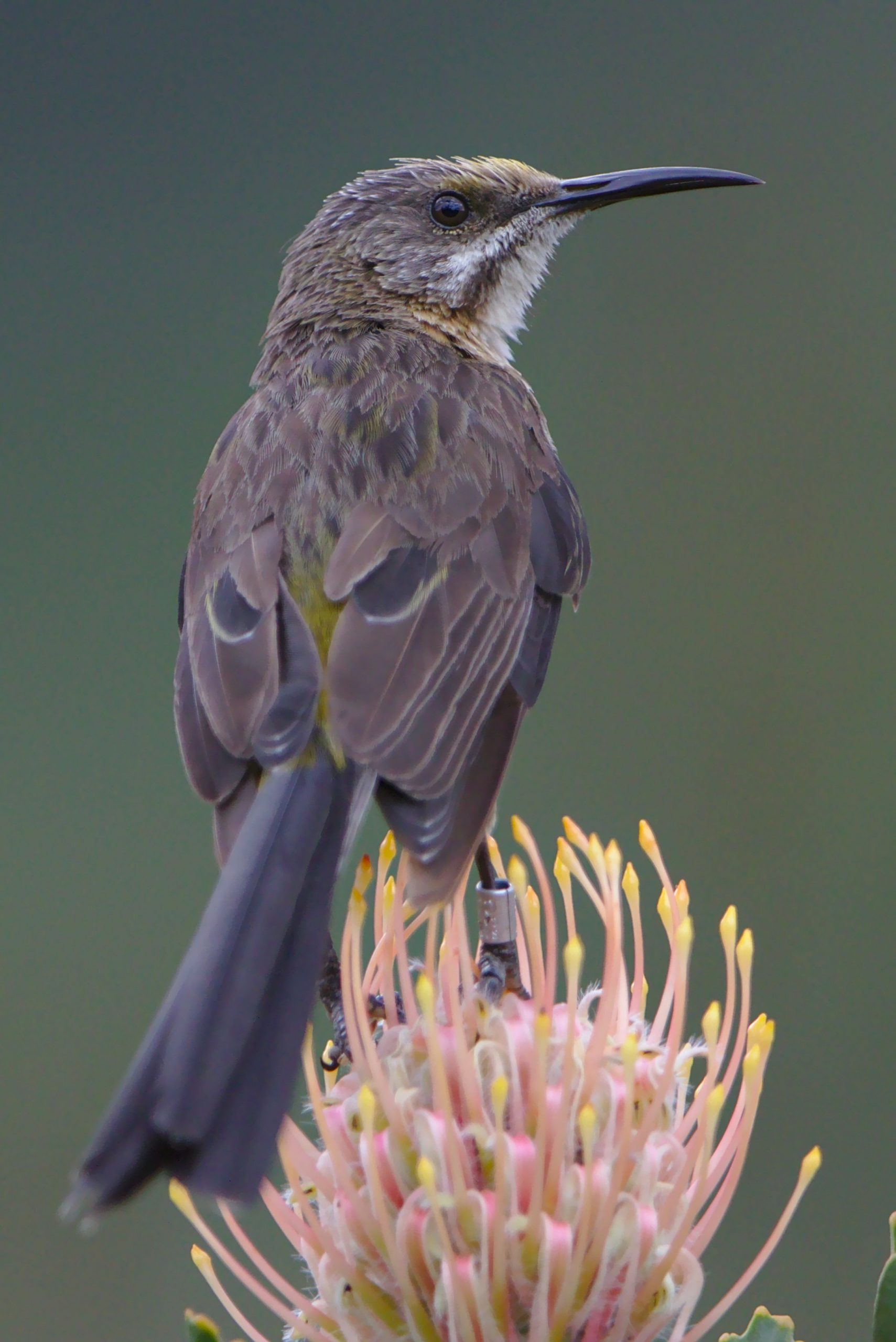
Image Credit: Pexels
Check your garden soil carefully
Native plants are often adapted to the natural soils of their region and may not require rich, heavily amended soil. Sometimes excessive fertiliser or soil amendments can encourage weak growth or favour plants that are less suited to the site. A soil test can also help you understand the basic characteristics of your garden soil.
Designing a native plant garden begins with understanding your site and choosing plants that belong in your local environment. By combining trees, shrubs, flowers, grasses, and groundcovers with different seasonal characteristics, you can create a garden that is both attractive and ecologically valuable.
ALSO SEE:
Feature Image: Pexels
