
 Maegan-Leigh Jacobs
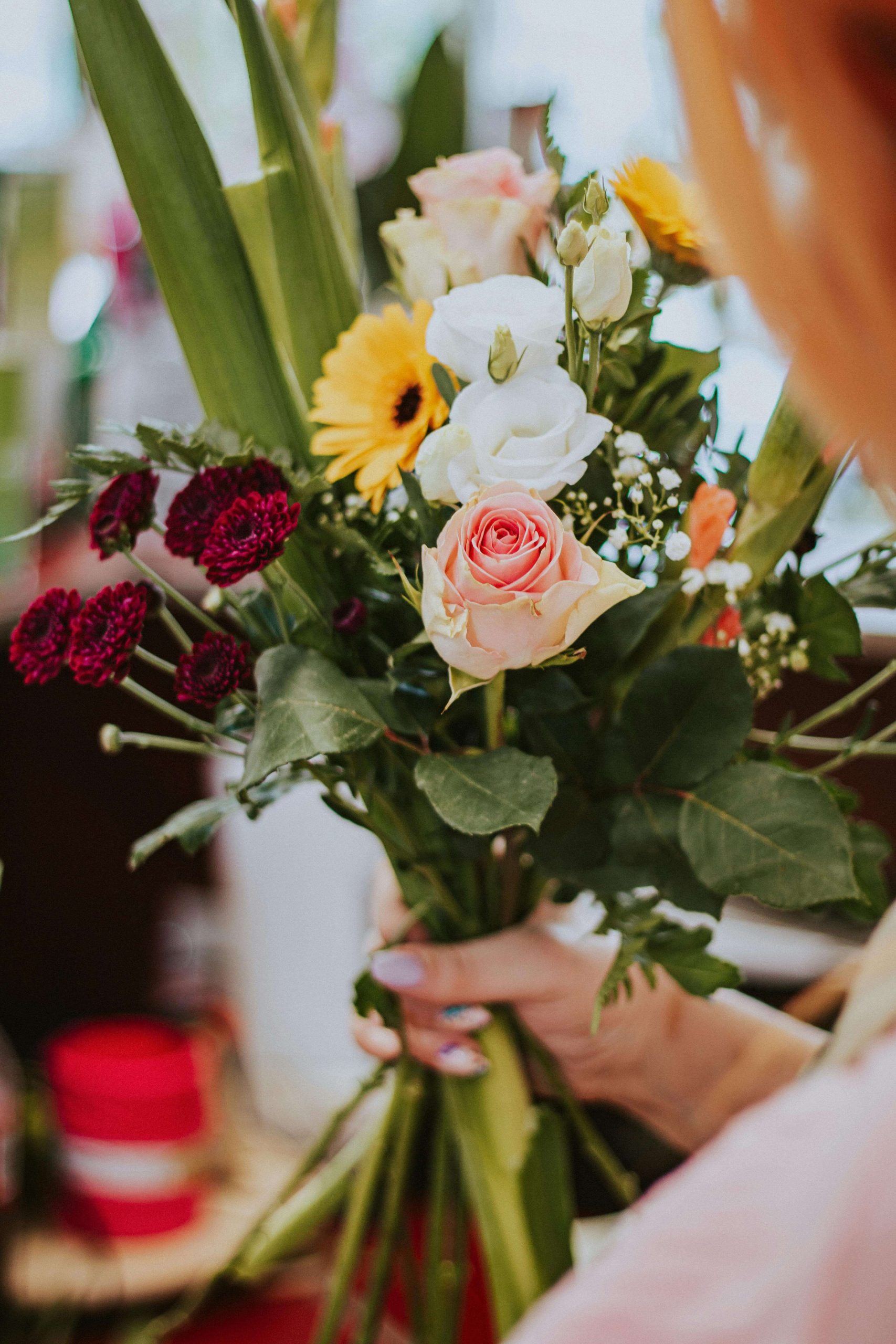
There’s something quietly special about a fresh bouquet on the table in February. Whether it’s a dozen velvety roses, a bundle of cheerful tulips or a generous mix of peonies and carnations, Valentine’s blooms deserve more than a few fleeting days.
The good news? With a little care and a few small rituals, your arrangement can stay beautiful well beyond the 14th. Here’s how to make the most of every stem.
Start with a fresh cut-and keep doing it
The first thing I do when flowers arrive is trim the stems before they even see a vase. This simple step makes a world of difference.
Cut 2-3cm off each stem at an angle using sharp scissors or secateurs. This helps the flowers drink properly. Repeat every two days when you change the water.
- Roses: Their woody stems benefit from a slightly deeper trim.
- Tulips: Cut straight across rather than at an angle – their soft stems prefer it.
- Carnations and peonies: A neat angled cut keeps them hydrated and upright.
A fresh edge equals better water uptake – and longer-lasting blooms.
Keep the water clean and cool
Think of vase water as your bouquet’s lifeline. If it’s cloudy, warm or stale, your flowers won’t last.
Wash your vase thoroughly before arranging. Fill it with cool tap water and change it every second day. If flower food was included, use it – it’s balanced to nourish and protect.
For tulips, only fill the vase halfway; they continue to grow after being cut and don’t need deep water.
For roses and peonies, ensure the stems are well submerged, but never let leaves sit below the waterline. Fresh water keeps everything looking crisp and lively.
Remove extra leaves and fading blooms
Any foliage sitting under water will quickly spoil and affect the rest of the arrangement. Strip away lower leaves before placing stems in the vase.
As the days pass, remove any tired blooms promptly.
- Roses may have outer guard petals – gently peel these away to reveal the perfect layers beneath.
- Carnations last exceptionally well, but once one head starts to droop, take it out to protect the others.
- Peonies can drop petals as they age; clearing these keeps the display neat and fresh.
A little editing goes a long way.
Choose the right spot in your home
Where you place your bouquet matters more than you think. Direct sunlight, hot kitchens and appliances will shorten its lifespan.
Position arrangements in a cool room, away from bright windows and heat sources.
Tulips are especially sensitive to warmth and will open too quickly in hot conditions. Peonies, too, prefer a gentle environment to extend their lush display. On particularly warm afternoons, move your flowers to the coolest part of the house. Even shifting them overnight can help.
Keep them away from fruit bowls
It may sound surprising, but ripening fruit releases a natural gas that speeds up ageing in flowers.
Avoid placing arrangements near bowls of apples, bananas or avocados. This is particularly important for delicate blooms like tulips and peonies, which respond quickly to their surroundings.
A separate space ensures your bouquet enjoys centre stage without interference.
Valentine’s flowers are meant to be savoured – not rushed. With thoughtful trimming, clean water and the right setting, your roses, tulips, carnations and peonies will reward you with days of colour and charm.
After all, the beauty of fresh blooms isn’t just in the giving – it’s in the lingering.
ALSO SEE: THINGS YOU CAN DO WITH ROSES (BEYOND A DISPLAY)
