
 Jade Mcgee
Interior trends rarely disappear forever. More often, they sit quietly in the background until our tastes shift enough to see them differently. After years of pale neutrals, open-plan layouts and pared-back rooms, homes are becoming more layered, individual and deliberately cosy again.
The interesting part is that these returning ideas are not exact copies of their earlier versions. The strongest revivals feel edited and intentional, pairing nostalgia with better proportions, more considered colour and practical modern living.
1. Wallpaper and colour-drenched rooms
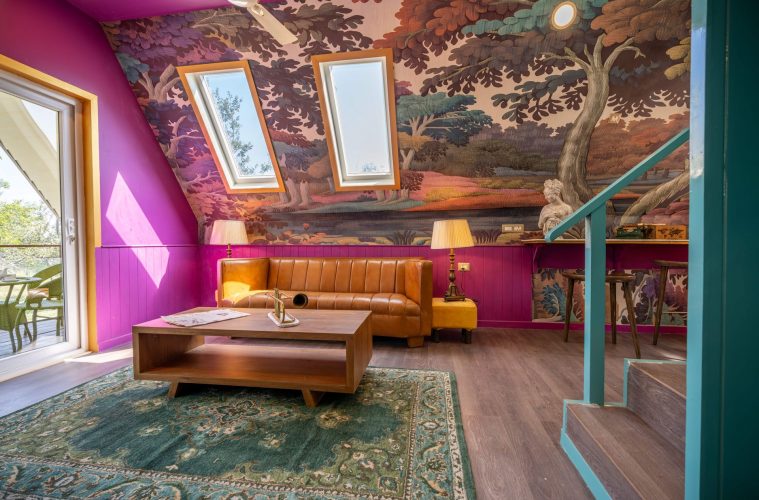
Wallpaper has moved well beyond a single timid feature wall. Pattern is returning to dining rooms, bedrooms, powder rooms and even kitchens, while colour-drenching wraps walls, trim and sometimes ceilings in closely related tones.
The modern version works because it feels immersive rather than busy for the sake of it. A floral, stripe or small-scale geometric print can give a room character, while a saturated paint colour makes ordinary architectural details feel more deliberate. If covering every wall feels too much, start with a passage, guest loo or built-in niche.
2. Defined rooms instead of one giant open plan
Open-plan living is not disappearing, but the idea that every function must share one uninterrupted space has lost some of its shine. Separate dining rooms, studies and more clearly zoned sitting rooms are appealing again because they offer privacy, acoustic control and a stronger sense of purpose.
You do not necessarily need to rebuild walls to get the effect. Sliding doors, glazed partitions, bookcases, changes in flooring or even furniture placement can create rooms within rooms. The goal is less about shutting people away and more about giving daily activities somewhere to belong.
3. Maximalism with a more collected feel
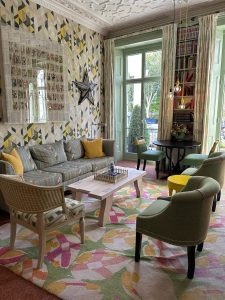
Maximalism is back, but the best rooms look collected rather than cluttered. Think layered art, books, ceramics, vintage furniture, patterned textiles and decorative trim that build a story over time.
Architectural details such as picture-frame moulding, dado rails and wainscoting are also part of the return. Used carefully, they can make a plain room feel finished without forcing it into a formal style. The trick is repetition: choose a few colours, materials or shapes and let them recur so the room still feels cohesive.
4. Built-in seating
Banquettes, window seats and upholstered nooks combine two things many homes need: extra seating and better use of awkward space. A built-in bench can turn a narrow kitchen corner into a breakfast spot, create storage under a bay window or make a hallway landing feel purposeful.
To keep built-ins flexible, use removable cushions and covers. That way the expensive part of the installation can stay put while colour and pattern change with your taste.
5. Brown as a serious neutral
After a long run of cool greys, brown is returning in warmer, richer forms. Chocolate, tobacco, caramel, walnut and earthy taupe can ground a room without feeling stark.
Brown works especially well through timber, leather, woven materials and paint paired with cream, rust, olive, dusty pink or blue. Rather than recreating an entire 1980s palette, use it as a warmer base that makes other colours feel deeper.
The common thread: homes with personality
What links all five revivals is a move away from spaces designed to look universally “correct”. Wallpaper, defined rooms, collected objects and richer neutrals all make a home feel more specific to the people living there. The comeback is not really about turning back the clock. It is about borrowing the parts of older design that made rooms feel memorable, then using them with more restraint and intention.
ALSO SEE:
Featured Image: Pexels
