
 Bianca Muller
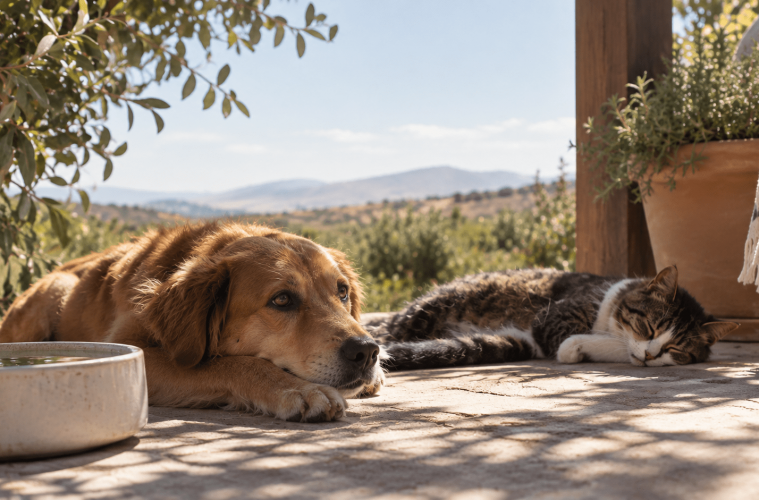
As temperatures rise across South Africa, pet owners are being encouraged to take extra precautions to keep their dogs and cats comfortable, hydrated and healthy. With El Niño potentially influencing summer weather patterns, periods of higher temperatures and drier conditions could make it particularly important to keep an eye on pets and their behaviour.
Unlike humans, pets cannot simply change their clothing or tell us when they’re feeling too hot. Recognising the signs of heat stress and making a few adjustments to their daily routines can help prevent heat-related illness.
“Pets don’t regulate their body temperature in the same way humans do, and they can’t always tell us when they’re uncomfortable,” says Dr Karien Brink, veterinary affairs manager at Hill’s Pet Nutrition. “Dogs primarily cool themselves through panting, while cats tend to reduce their activity and seek cooler places to rest. Understanding these behaviours and making a few adjustments to their daily routines can make a real difference during very hot weather.”
Dr Brink shares some practical advice for keeping pets safe as temperatures climb.
Make fresh water readily available
Fresh, clean drinking water should always be available, particularly during hot weather. Keep water bowls somewhere easily accessible, refresh the water regularly and consider adding extra water stations if you have more than one pet.
Wet food can also help increase a pet’s daily water intake, as it generally contains more moisture than dry food.
Adjust walks and outdoor playtimes
Early mornings and cooler evenings are generally the best times for dog walks and outdoor activities. Pavements can become extremely hot during the day and may burn sensitive paw pads, while strenuous exercise in high temperatures increases the risk of heat-related illness.
At home, make sure pets have access to cool, shaded and well-ventilated spaces where they can rest. Cats should have comfortable places to settle indoors, while dogs need somewhere to retreat from direct sunlight.
And remember: never leave a pet inside a parked car, even for a few minutes. Temperatures inside vehicles can rise rapidly, putting animals at serious risk.
Keep their diet balanced
Hot weather can affect pets’ activity levels. Some may become less active during particularly warm spells, while others continue playing and exercising as usual.
Their nutritional requirements depend on several factors, including age, size, health and activity level. Continue feeding a complete and balanced diet suited to your pet’s individual needs, rather than automatically reducing portions because they appear less active.
“Warmer weather can affect pets differently, so pet parents should pay attention to changes in their usual behaviour and activity levels. A noticeable loss of appetite, refusal to eat or other signs of illness should never automatically be attributed to the heat. If you’re concerned about your pet, seek veterinary advice,” says Dr Brink.
Know the signs of overheating
Excessive panting, unusual tiredness, heavy drooling, vomiting, weakness and difficulty breathing can all indicate heat-related illness.
If your pet shows signs of overheating, move them to a cooler area, begin gently cooling them with cool water and seek urgent veterinary assistance.
Cats can be particularly subtle when showing signs of discomfort, so changes in their usual behaviour, appetite or activity levels should not be overlooked.
“The most important thing is knowing what’s normal for your pet. If they’re behaving differently, struggling with the heat or showing signs of illness, don’t ignore it. Acting early can prevent a potentially serious health problem,” says Dr Brink.
As summer approaches, a little extra attention to water, exercise, nutrition and resting spaces can go a long way towards helping your pets stay comfortable and healthy through the warmer months.
ALSO SEE: More than good genes: What really keeps your cat in top shape?
More than good genes: What really keeps your cat in top shape?
