
 Jade Mcgee
Pouring the last splash of a flat drink into a garden bed can feel less wasteful than tipping it down the sink, but “soda” covers very different liquids. Plain sparkling water, club soda and sweetened fizzy drinks do not behave the same way in soil, and treating them as interchangeable can create avoidable problems.
The short version is simple: ordinary water is still the best choice for plants. If you have a small amount of plain, unflavoured sparkling water left over, it is generally not a problem. Sugary, flavoured or salty fizzy drinks are a different story and are better kept away from pots and beds.
Plain sparkling water is mostly just water
Unflavoured sparkling water is water with carbon dioxide dissolved under pressure. Once it goes flat, much of that gas has escaped. A small amount poured onto a garden bed is unlikely to harm plants, but there is also no strong reason to expect a meaningful growth boost from it.
Some bottled sparkling waters contain added minerals. Calcium and magnesium are not automatically a problem, but sodium can build up in soil over time, particularly in containers where salts have nowhere to wash away. Check the label before making a habit of using leftovers on plants.
Club soda and mineral water need more caution
Club soda may contain sodium bicarbonate or other salts added for flavour. Repeated applications can increase salinity in potting mixes and interfere with the way roots take up water and nutrients. If you occasionally have a small amount left, diluting it heavily and using it outdoors is unlikely to be catastrophic, but it should not become part of a watering routine.
Do not use sugary soft drinks as plant food
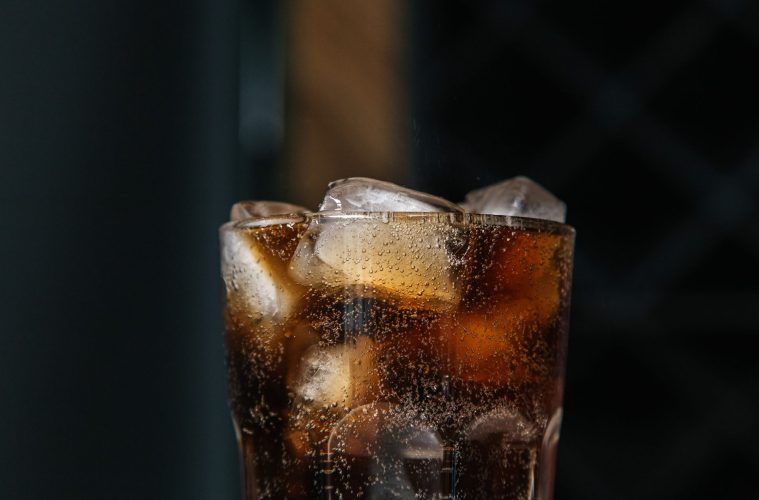
Cola, lemonade and other sweetened fizzy drinks contain sugar, acids, flavourings and sometimes caffeine or other additives. Plants do not need table sugar poured into their root zones. The extra organic material can encourage microbial growth, attract ants and other pests, and alter the chemistry of the soil.
Artificially sweetened drinks are not a useful workaround either. They offer no gardening advantage and may contain acids, salts and flavouring ingredients that plants do not need.
What about the claim that carbonation boosts growth?
You may see claims that carbonated water feeds roots with carbon dioxide. In practice, the effect is not a reason to swap normal irrigation water for fizzy water. Carbon dioxide escapes quickly once the bottle is opened, and plants obtain the carbon they need primarily from carbon dioxide in the air through their leaves.
If you already poured a soft drink onto a plant
Do not panic over one accidental splash. For a garden bed, water the area well with plain water to dilute the drink and move excess sugars or salts through the soil. For a container, flush the pot thoroughly and let excess water drain away. If a large quantity was spilled, repeating the flush once the pot has drained can help.
The better low-waste option
If the goal is to waste less, use leftover plain water on plants and send appropriate kitchen scraps to compost instead. Compost, mulch and correctly applied fertiliser have a predictable role in soil health; flat soft drinks do not.
So, can flat soda go in the garden? Plain, unsweetened sparkling water in small amounts is unlikely to cause trouble. Sweetened soft drinks and sodium-heavy mixers are not worth the risk. Your plants will be happier if their regular drink remains exactly what they evolved to use: water.
ALSO SEE:
Featured Image: Pexels
