
 Bianca Muller
If your garden is starting to wake up after winter, chances are you’ll spot one of South Africa’s favourite flowering plants putting on a show: the humble geranium. Or, more accurately, pelargonium.
The names are often used interchangeably, and if you’ve ever bought a bright red, pink or white “geranium” from a nursery, you were probably actually buying a pelargonium. Most of the plants we grow as geraniums in South Africa belong to the Pelargonium genus, a group with deep South African roots.
And September is a particularly good time to have them in the garden. Several South African pelargonium species reach their peak flowering period from September into spring, while cultivated pelargoniums are generally at their most floriferous from spring into early summer.
So, if you’re looking for an easy way to add colour to your garden, patio, balcony or windowsill, this old favourite deserves another look.
Are geraniums and pelargoniums the same thing?
Technically, no. True geraniums (Geranium) and pelargoniums (Pelargonium) belong to the same plant family, Geraniaceae, but they are different genera. The confusion dates back centuries, when pelargoniums were originally grouped with geraniums before being separated botanically.
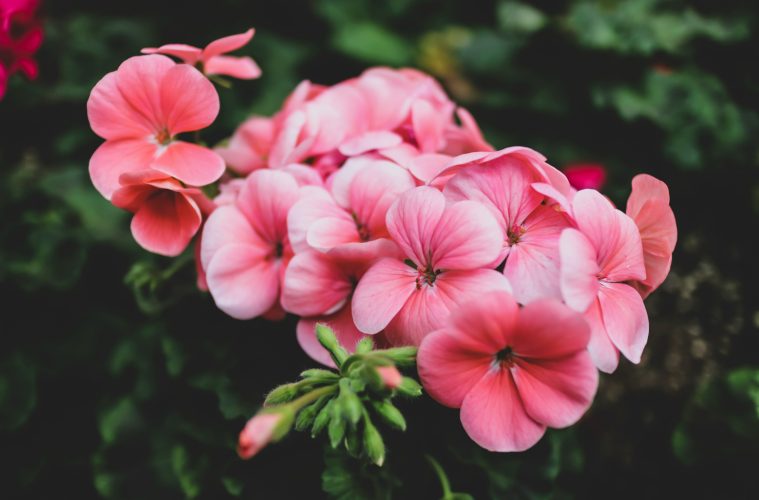
The easiest way to tell them apart is by looking at the flowers. True geraniums generally have five similarly sized petals arranged symmetrically, while pelargoniums usually have two upper petals and three lower petals that differ in shape and size.
But for the purposes of your garden centre shopping list, you’ll probably still find the familiar flowering plants labelled as geraniums. And that’s okay. We know what you mean.
Photo: Unsplash
How to care for geraniums
Give them plenty of sun
Most pelargoniums enjoy a sunny position, although they can appreciate some protection from the harshest midday heat in particularly hot gardens.
If your plant is producing lots of leaves but very few flowers, insufficient light could be part of the problem.
For potted plants, a spot with morning sun and some afternoon protection can work particularly well in hotter areas.
Don’t overwater them
This is probably the most important geranium care tip to remember.
Pelargoniums prefer well-drained soil and don’t enjoy sitting in soggy conditions. Allow the soil to dry out between waterings rather than keeping it constantly wet. Overwatering and poor drainage are among the most common causes of problems.
A pot with drainage holes is essential.
If you’re unsure whether your plant needs water, stick a finger into the soil. If the top layer is still damp, wait a little longer.
Feed during the growing season
A little fertiliser can help encourage flowering, particularly as plants head into their spring growth period.
A potassium-rich fertiliser can be useful for encouraging flowers, with South African gardening guidance recommending a potassium-rich feed around September.
Follow the instructions on your chosen fertiliser rather than assuming more is better. Too much feed can encourage leafy growth at the expense of flowers.
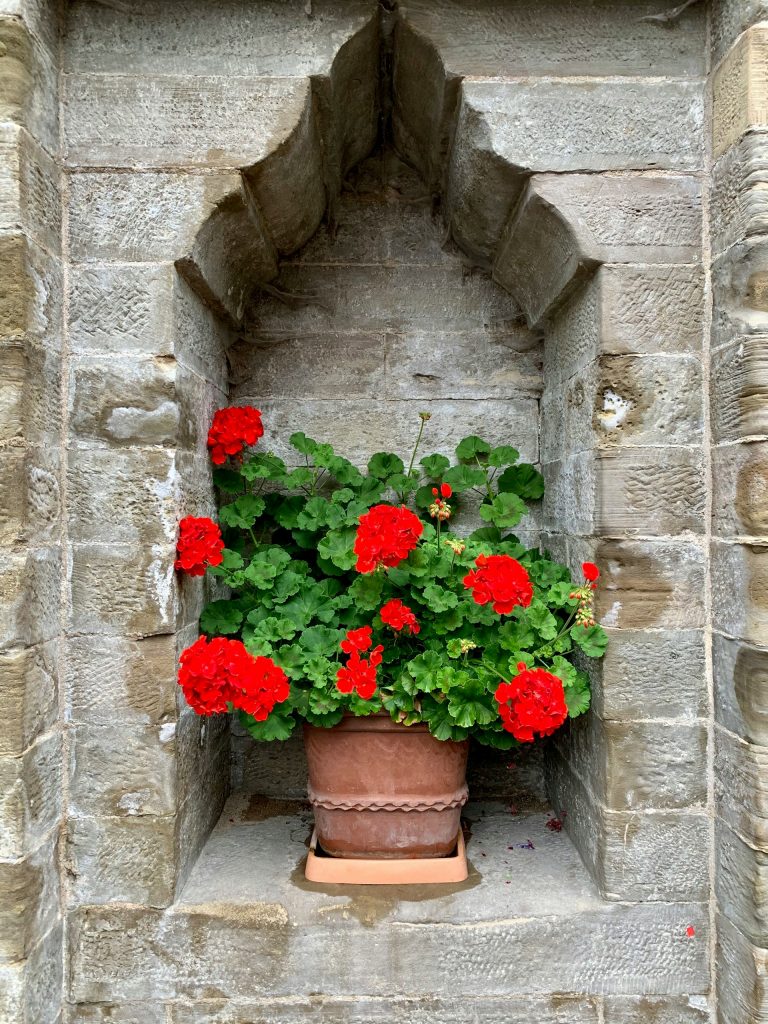
Photo: Unsplash
Keep deadheading
Once a flower has finished flowering, remove the spent flower head.
Regular deadheading keeps the plant looking tidier and encourages it to put its energy into producing more flowers rather than seeds.
It’s one of those tiny gardening jobs that makes a surprisingly big difference.
Prune when needed
Pelargoniums can become a little leggy over time, particularly if they aren’t getting enough light.
Pruning encourages fresh growth and helps maintain a bushier shape. SANBI recommends pruning Pelargonium zonale after flowering, while South African gardening guidance also recommends pruning to prevent plants from becoming lanky.
Don’t be afraid to cut back an overgrown plant. Healthy cuttings can also be used to create new plants.
Use well-drained soil
Pelargoniums aren’t fans of wet feet, so choose a free-draining potting mix or improve garden soil with suitable organic matter and drainage material.
For indigenous pelargoniums, SANBI recommends a sandy, loamy mix with good drainage.
Where to grow geraniums
One of the reasons pelargoniums remain so popular is their versatility.
Try them in:
- Pots on patios and balconies
- Hanging baskets, particularly trailing varieties
- Window boxes
- Sunny borders
- Rock gardens
- Along pathways
- Containers around entertaining areas
Trailing ivy-leaf pelargoniums are particularly pretty spilling over the edges of pots and baskets, while upright zonal varieties work beautifully as colourful focal points.
And if you have a small garden, don’t write them off. A single pot packed with flowering pelargoniums can bring plenty of colour to even the tiniest outdoor space.
ALSO SEE: Get a head start on spring: Easy plants to propagate
Feature image: Unsplash
